
Welcome to Novaelevator Parts
Novaelevator Parts Co., Ltd. is a process-driven enterprise specializing in elevator components. We operate a 20,000㎡ integrated facility, where strict process control and quality inspections ensure production traceability and repeatable quality. Our core capabilities include CNC precision machining, laser cutting, and structural welding. We are committed to providing global partners with stable supply and customized solutions.
One-Stop Platform
Centralized access to comprehensive products, services, and support.
Cost Optimization
Reducing costs without compromising quality or performance.
Long-term Reliable
Consistently delivering dependable performance over extended periods.
Efficient & Safe
Optimizing speed and performance while ensuring complete protection.
One-Stop Elevator Parts
NOVA Elevator Parts offer a comprehensive inventory ranging from controllers and motors to safety sensors and fixtures. Streamline your maintenance and repair projects with our genuine, high-quality parts. Benefit from expert support, fast shipping, and simplified procurement, ensuring maximum uptime and safety for your vertical transportation systems.
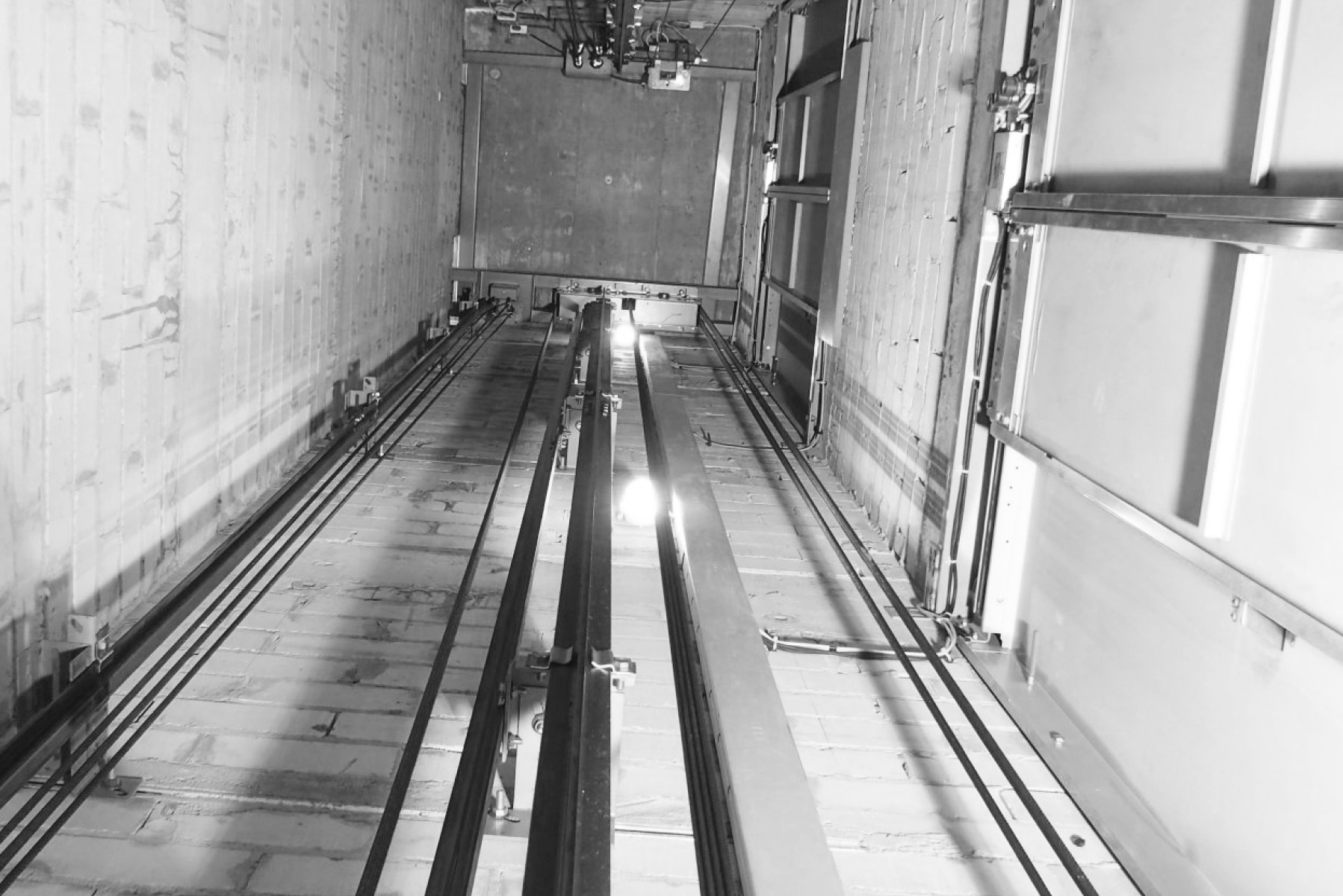
SHAFT COMPONENTS
Shaft components are rotating machine parts that transmit power. They feature shoulders for positioning, keyways for mounting gears, and fillets at diameter changes to reduce stress concentration and prevent failure.
More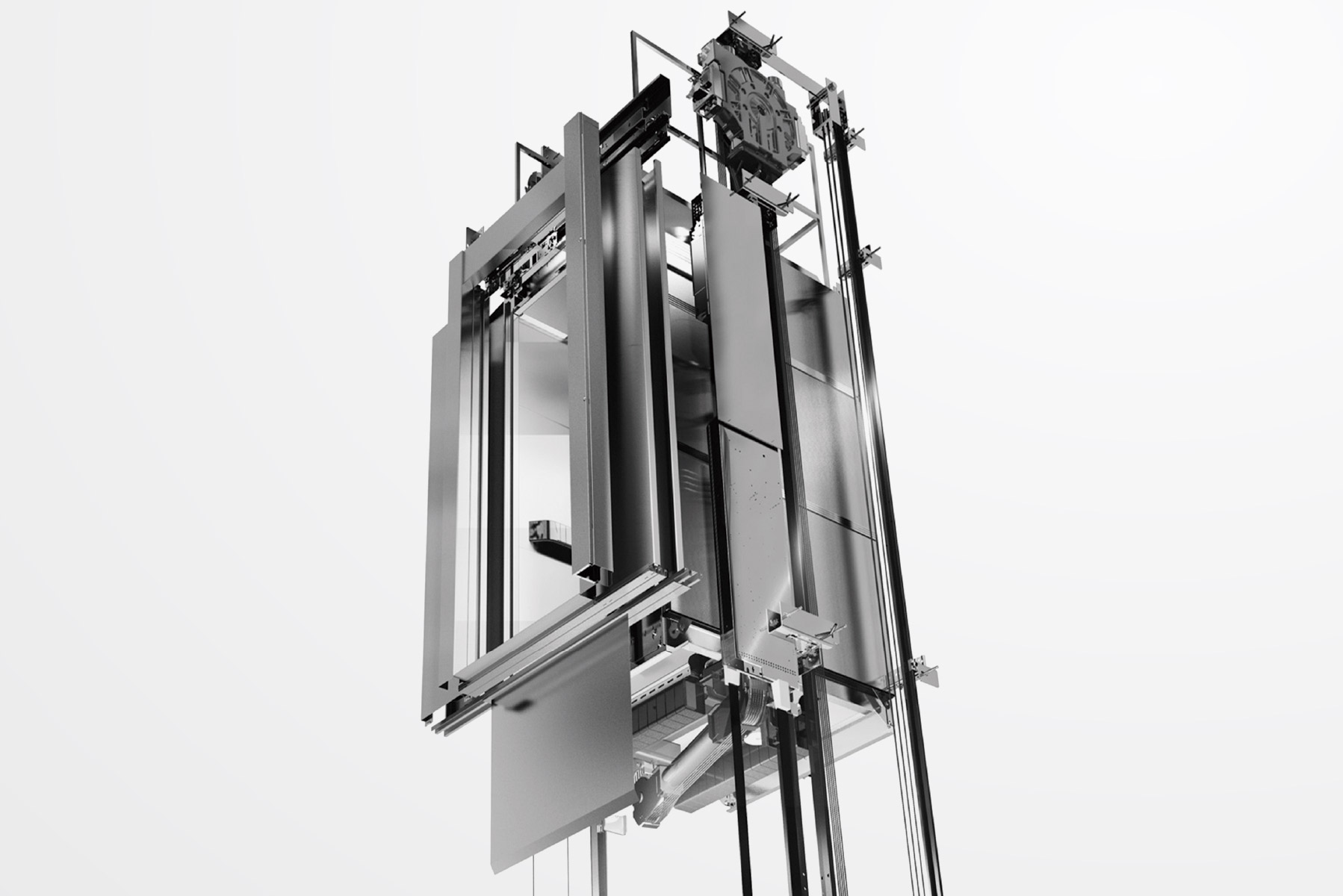
CABIN & CW COMPONENTS
Cabin components form the protective structure, including frames, windows, and doors. CW components are rail sections welded into a single, continuous track for smoother, stronger, and quieter railway lines.
More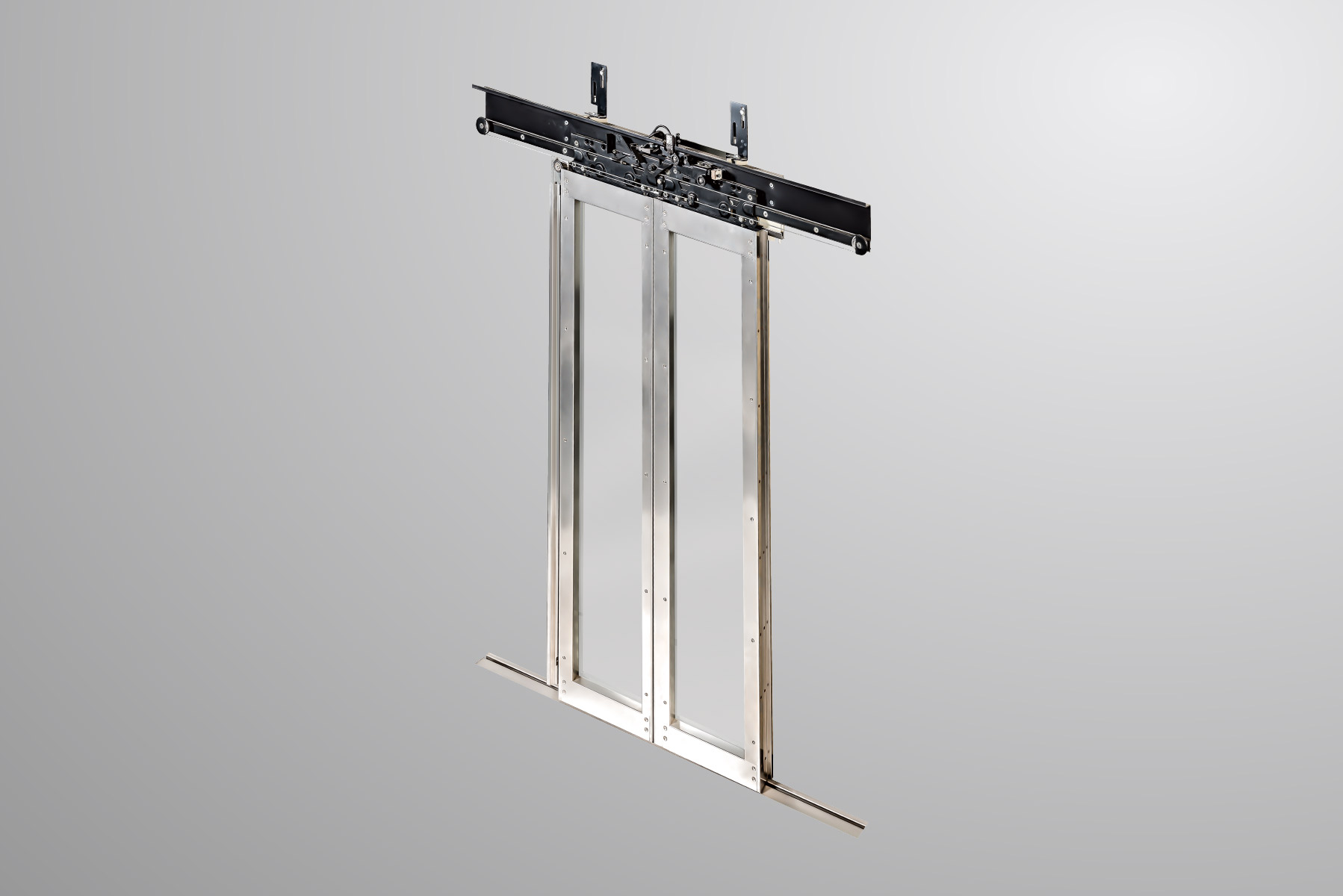
DOOR SYSTEM
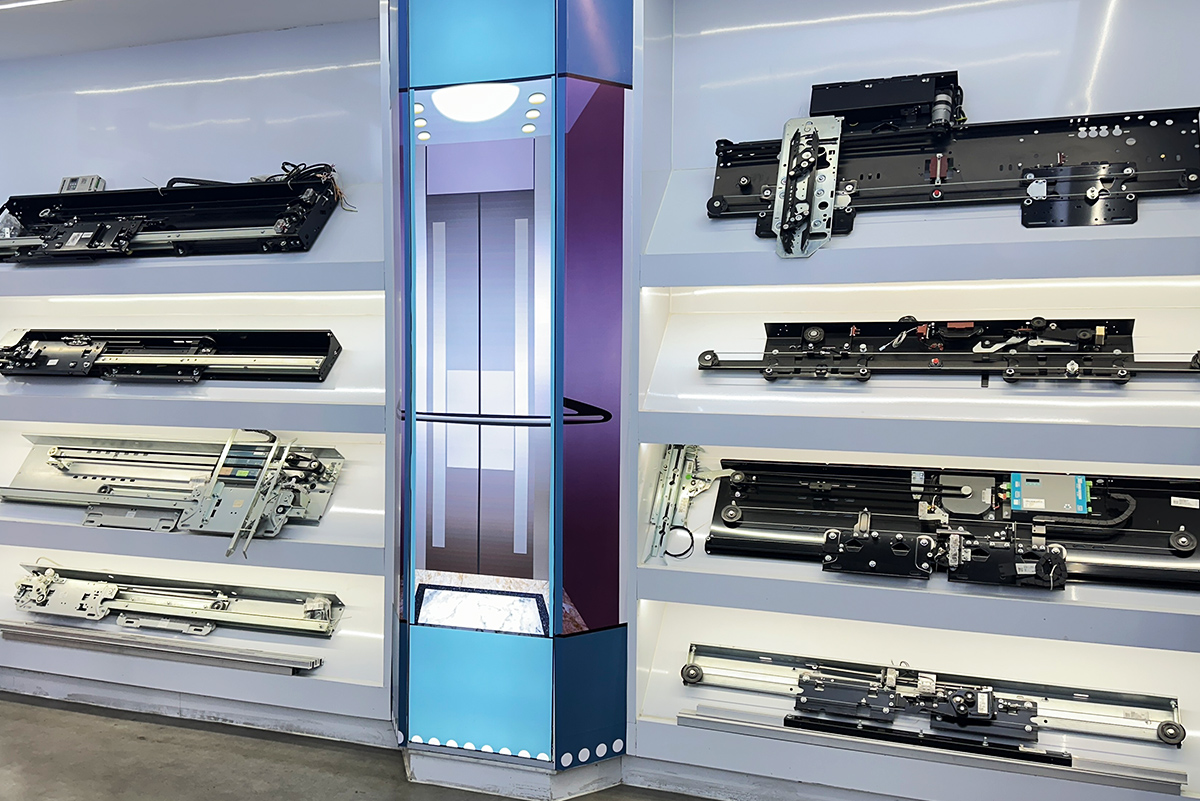
A door system is an assembly of panels, frames, hinges, and closing mechanisms. It provides secure, controlled access, ensuring safety, insulation, and smooth operation for various applications.
More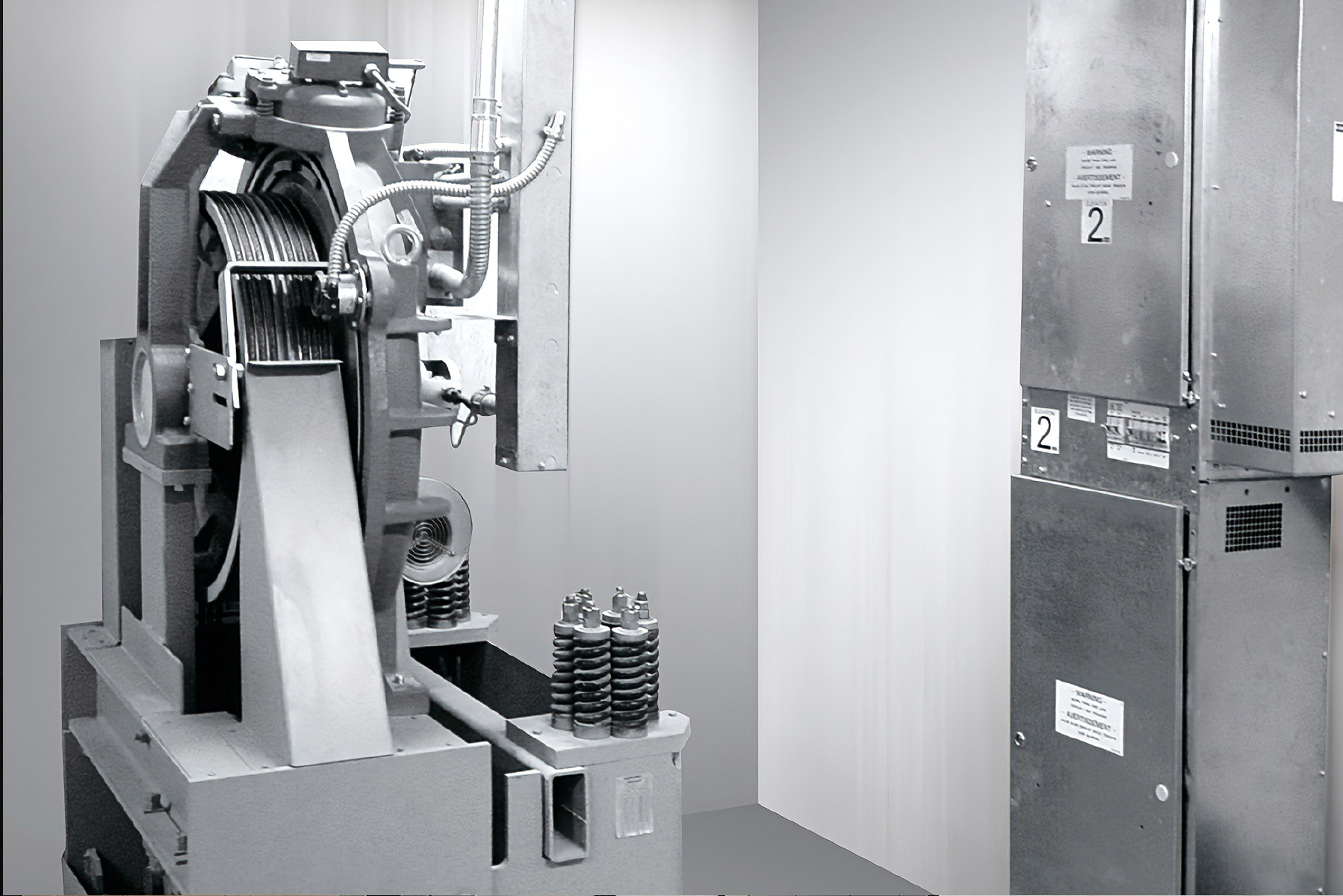
TRACTION SYSTEM
A traction system generates and transmits force to move a vehicle. It includes motors, gearboxes, and coupling devices, converting energy into reliable motion for efficient acceleration and control.
More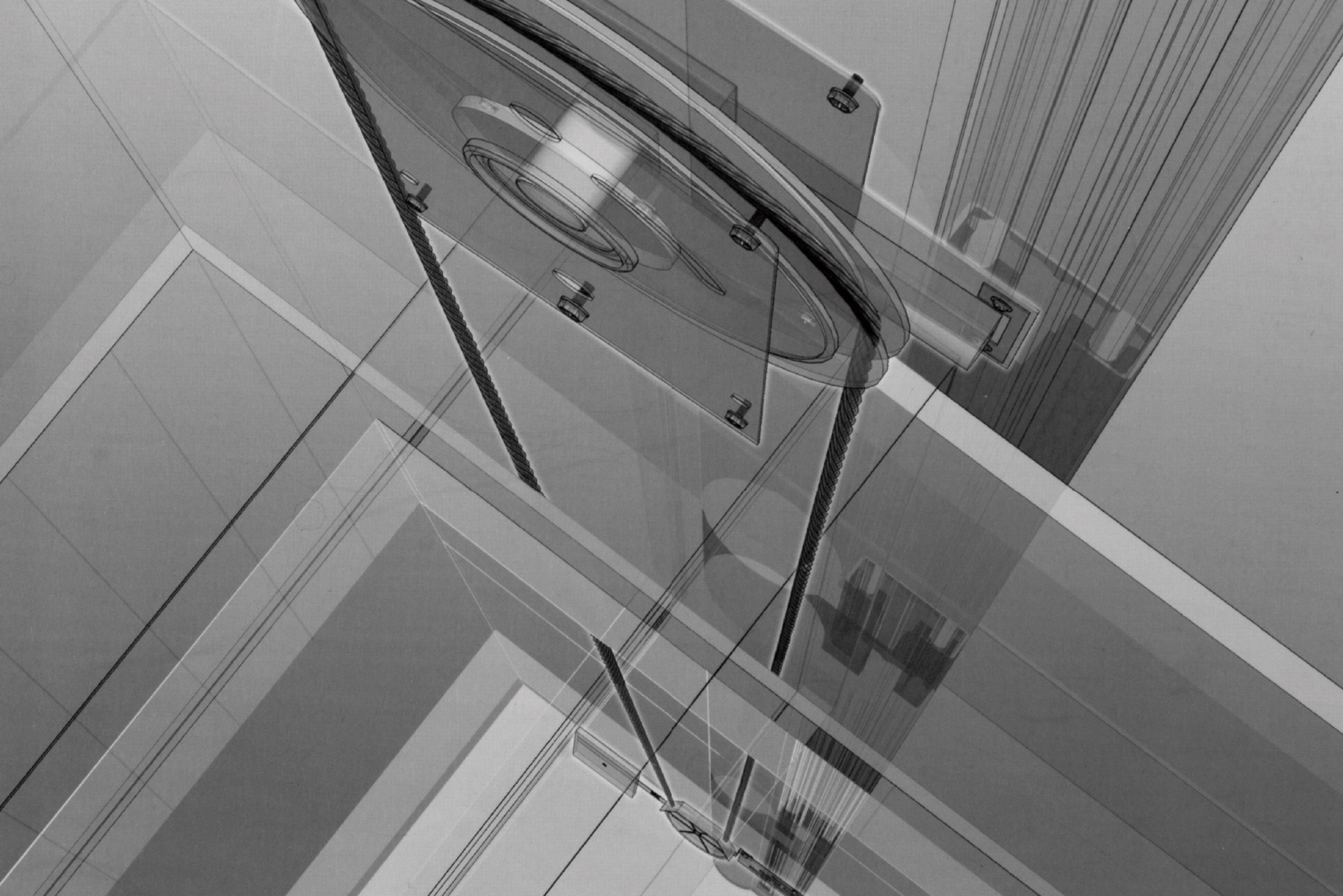
SAFETY COMPONENTS
Safety components are critical devices that prevent accidents and protect personnel. This includes emergency brakes, sensors, interlocks, and guards that ensure safe operation and stop machinery during hazardous conditions.
More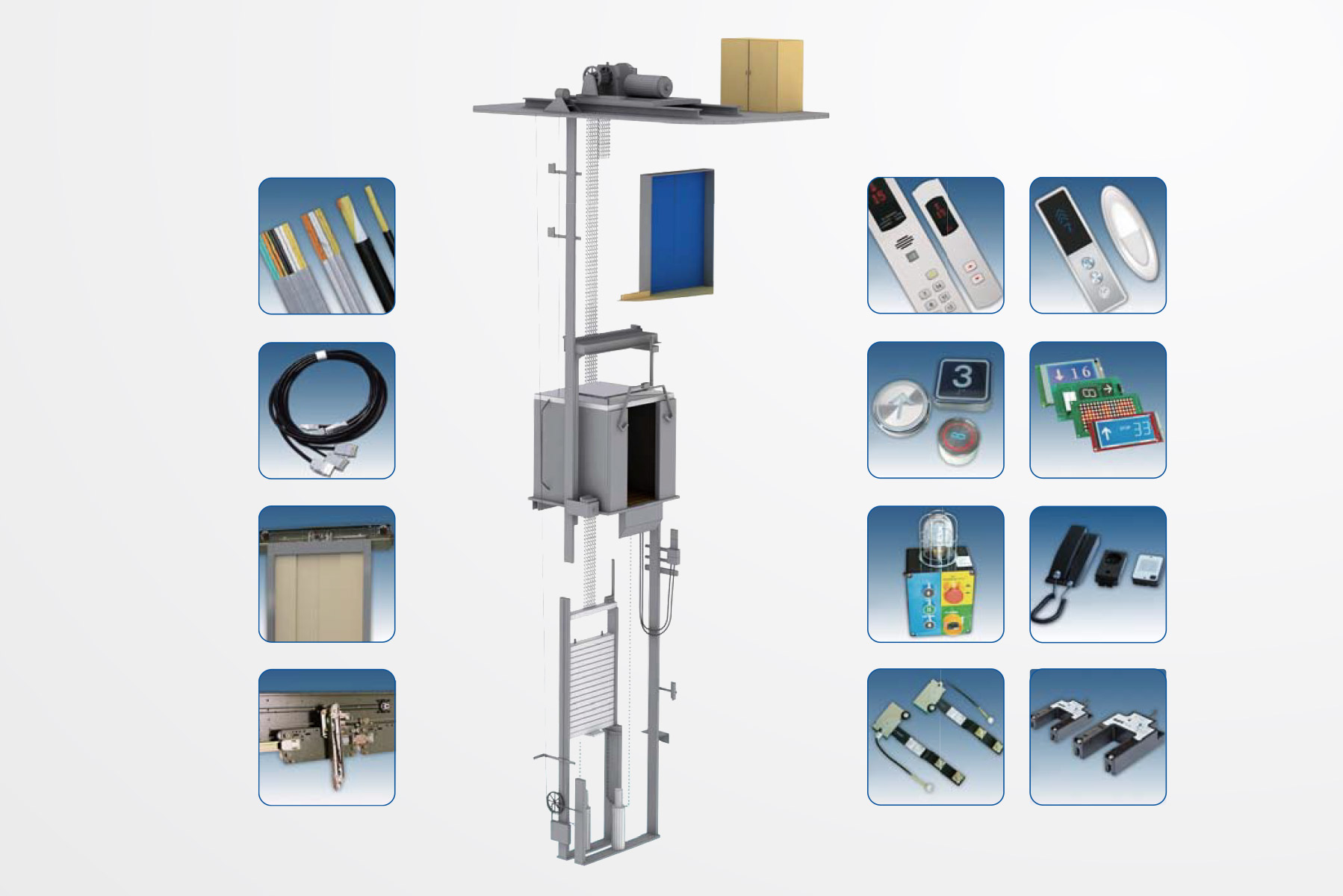
ELECTRIC COMPONENTS
Electric components include the drive motor, controller, and operational panels. They manage power distribution, motion control, and car positioning, ensuring precise floor leveling and reliable passenger transport
More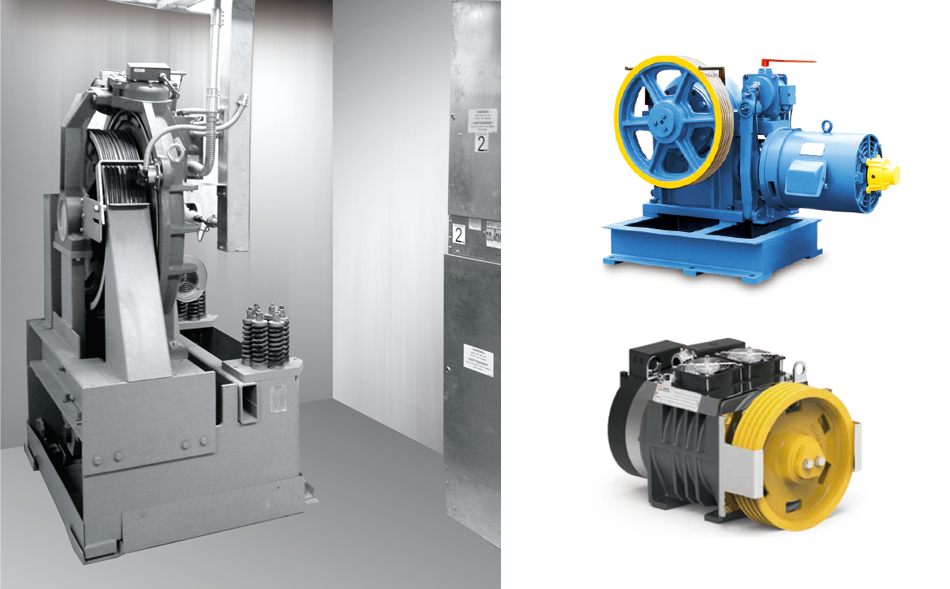
Professional Experience
Odometer reasonability
Lorem ipsum dolor sit amet, consectetur adipiscing elit, sed do eiusmod tempor.
More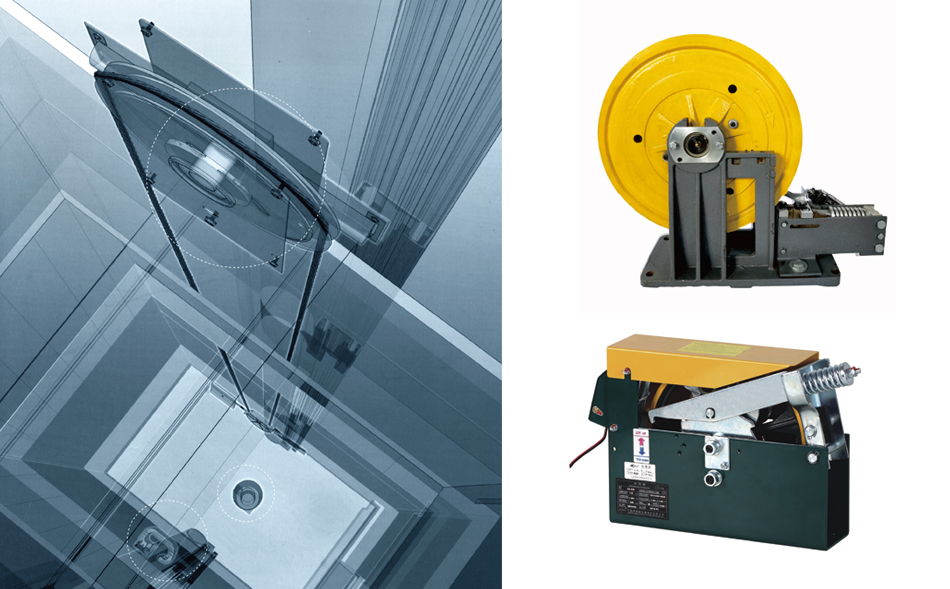
Professional Experience
Vehicle classification
Lorem ipsum dolor sit amet, consectetur adipiscing elit, sed do eiusmod tempor.
More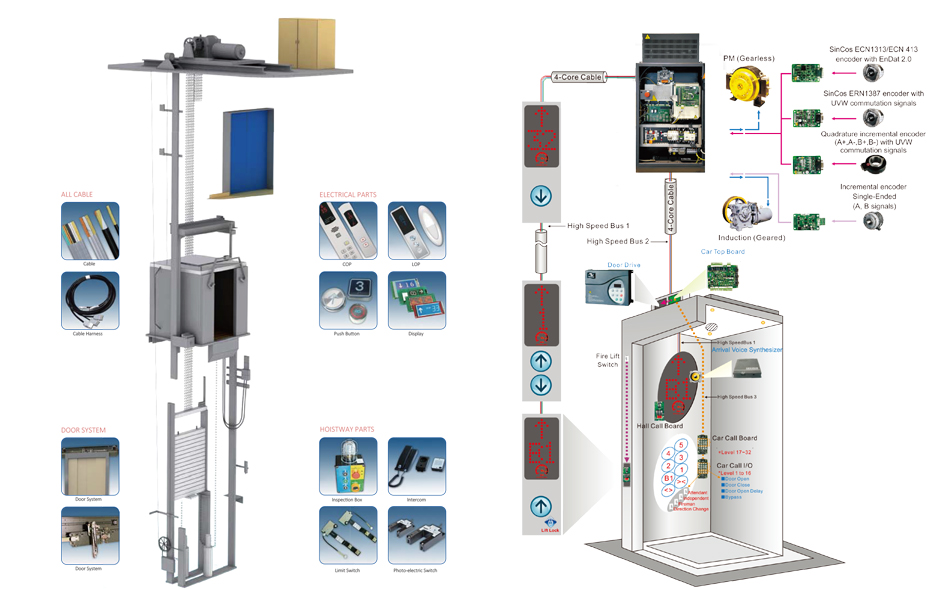
Professional Experience
User prompts
Lorem ipsum dolor sit amet, consectetur adipiscing elit, sed do eiusmod tempor.
More
Professional Experience
Management & Accounting
Lorem ipsum dolor sit amet, consectetur adipiscing elit, sed do eiusmod tempor.
More
Professional Experience
Vehicle classification
Lorem ipsum dolor sit amet, consectetur adipiscing elit, sed do eiusmod tempor.
More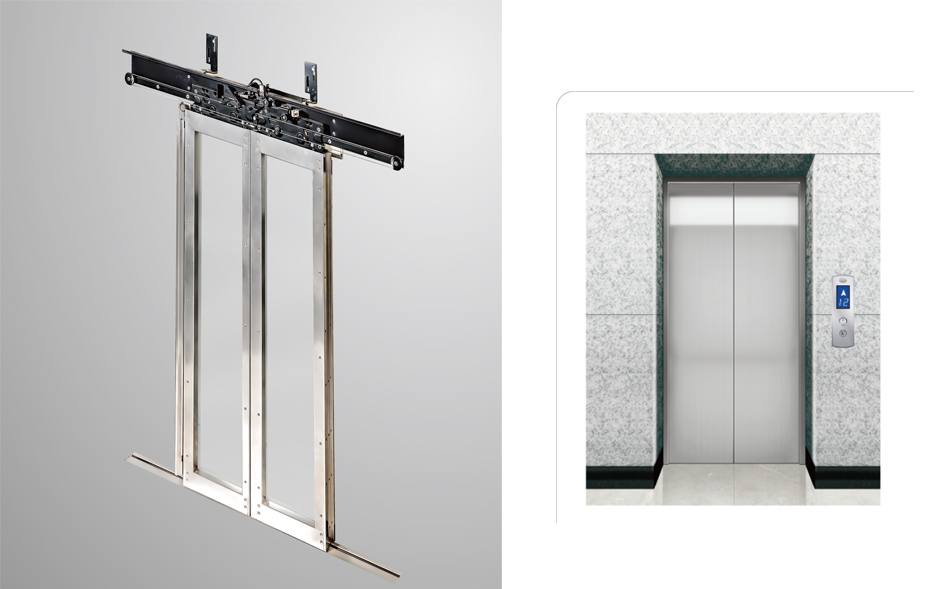
Mining Technology
Production Technology
Lorem ipsum dolor sit amet, consectetur adipiscing elit, sed do eiusmod tempor.
Read More
Professional Experience
Management & Accounting
Lorem ipsum dolor sit amet, consectetur adipiscing elit, sed do eiusmod tempor.
Read More
Professional Experience
Vehicle classification
Lorem ipsum dolor sit amet, consectetur adipiscing elit, sed do eiusmod tempor.
Read More
Professional Experience
User prompts
Lorem ipsum dolor sit amet, consectetur adipiscing elit, sed do eiusmod tempor.
Read More
Professional Experience
Management & Accounting
Lorem ipsum dolor sit amet, consectetur adipiscing elit, sed do eiusmod tempor.
Read More
Professional Experience
Management & Accounting
Lorem ipsum dolor sit amet, consectetur adipiscing elit, sed do eiusmod tempor.
Read More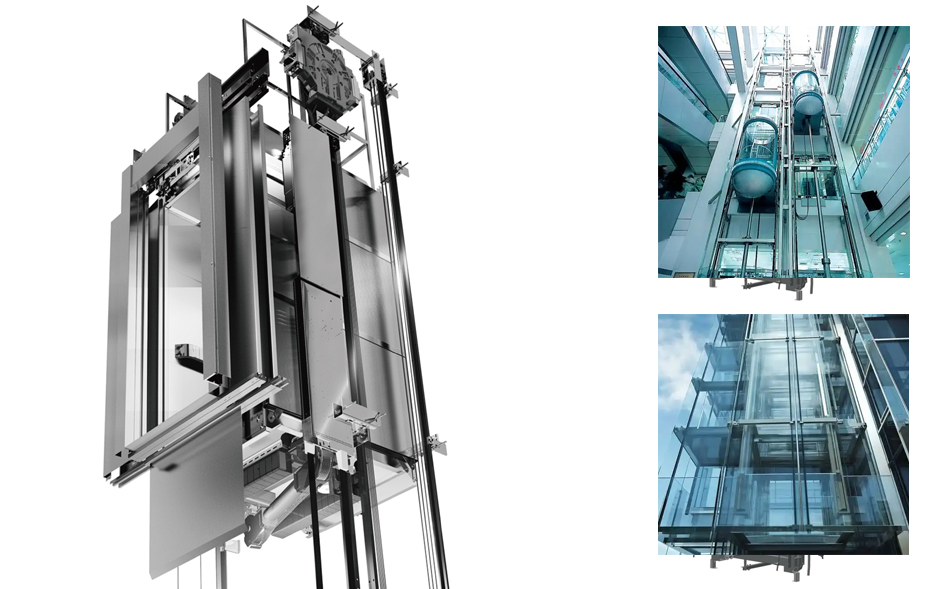
Engineering Traning
Mining Engineering Service
Lorem ipsum dolor sit amet, consectetur adipiscing elit, sed do eiusmod tempor.
Read MoreProfessional& Reliable
Home Service
Professional home service for repair, maintenance, and installation needs.
Quick Response
Lorem ipsum dolor sit consectetur adipiscing elit sed do.
Excellence Workers
Skilled professionals delivering high-quality workmanship and exceptional service excellence.
Request for service
Frequently Asked Question
Our elevator components are ISO 9001 certified and meet international safety standards, including CE and EN81. Every batch undergoes strict quality inspections to ensure reliable performance, durability, and safety.
We provide standard elevator parts compatible with multiple brands and offer full OEM ODM customization.Simply share your elevator model or drawings and we will recommend the best components.From guide rails and cabin parts to hydraulic system components.We can tailor dimensions materials and finishes to meet your exact needs.
We use high-strength steel alloys and engineering-grade plastics combined with precision forging CNC machining and heat treatment processes. This ensures that critical parts.Such as guide shoes rollers and mounting plates are wear-resistant corrosion-resistant and built for long-lasting performance.
Yes, we offer 24/7 online technical support. Our team can assist with installation, maintenance, and troubleshooting via drawings, videos, or on-site guidance to ensure your components perform flawlessly.