




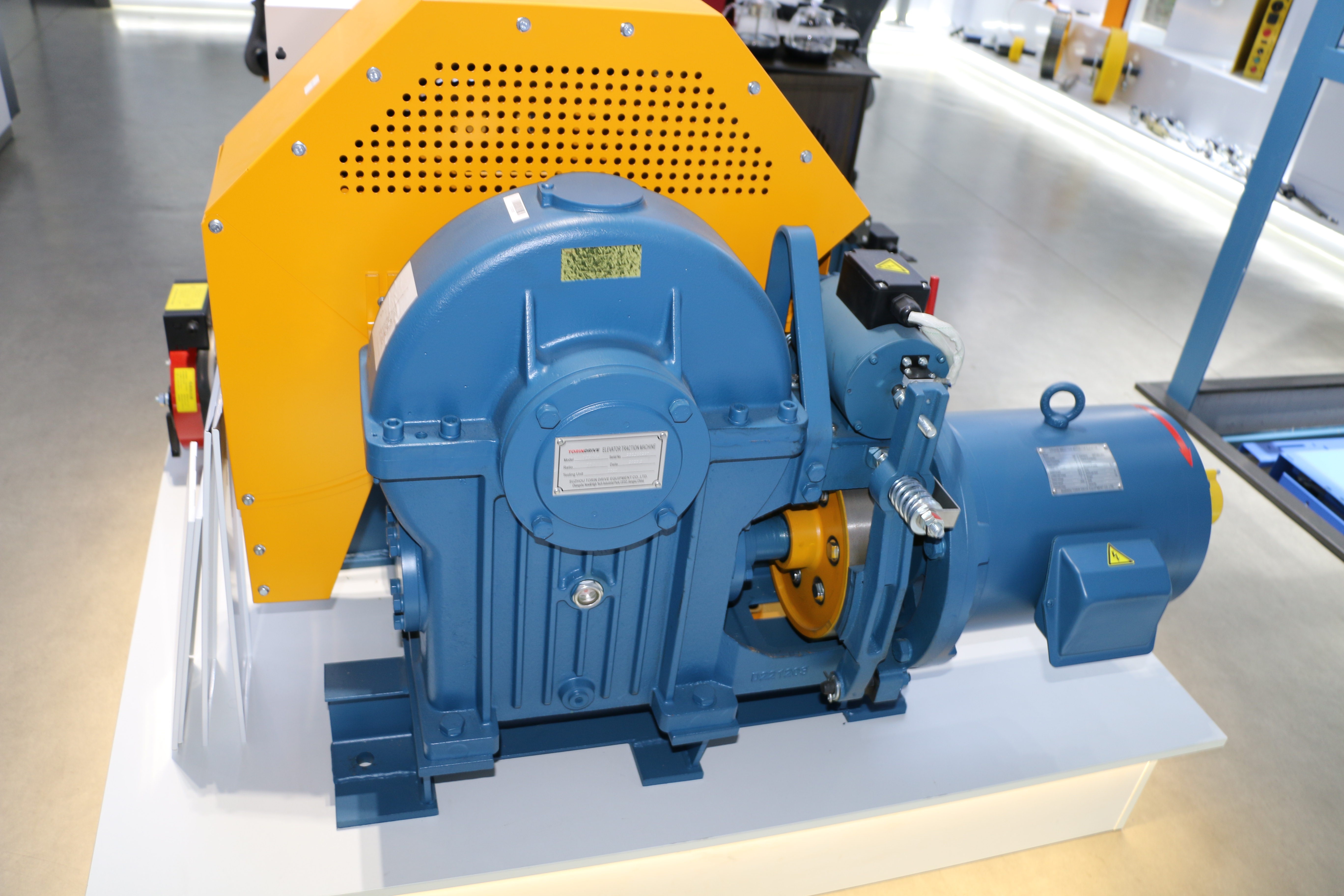
Many overseas buildings host ageing elevator fleets, with numerous legacy models long discontinued by OEMs. Original spare parts are phased out from official channels. When maintenance or modernisation is required, compatible replacement stock becomes unavailable. Without viable parts, elevators remain shut down indefinitely. Building operators and elevator contractors need structured strategies to resolve obsolete-parts shortages.
1. “Two Weeks Down, Three Months Waiting For Parts” Is Not An Exaggeration
As elevator assets age, missing compatible spare parts for discontinued models is a widespread headache for owners, property teams and maintenance firms. It is common for a lift to stop for two weeks while technicians quote a three-month lead time for overseas OEM stock. Cross-border projects compound this: OEM supply channels close, transit cycles stretch, and certification requirements add complexity.
2. Root Causes of Legacy Parts Shortages
Legacy elevator parts vanish primarily because old designs are discontinued once new platforms launch. Many vintage elevators use non-standard engineering; visually similar parts will not drop in directly, requiring custom modification and raising cost and technical risk. Most so-called “new” stock circulating on the market is leftover end-of-line inventory rather than fresh production.
From an economic perspective, when repair costs exceed roughly 30% of the elevator residual value, repeated patchwork maintenance becomes less attractive than replacement. Still, full elevator replacement demands heavy upfront investment and extended shutdowns and is not always immediately feasible.
3. Three Main Solution Paths, Matched To Site Conditions
Option 1: Validated Compatible Substitute Components
Carry out engineering site surveys and retrieve original technical datasheets to select independently validated replacement parts. Visual or part-number matching alone is insufficient; mechanical and electrical compatibility testing must be completed, and the substitute must satisfy local safety certification. This low-cost route suits elevators with sound structural health, only affected by isolated worn components.
Option 2: Partial System Modernisation To Bypass Obsolete Modules
Where entire control or door systems have no available spares, piecemeal replacement is uneconomical. Partial modernisation replaces whole cabinets, door drives and other modules with updated standardised platforms. Post-upgrade, future maintenance relies on widely available modern components, permanently resolving long-term parts scarcity. This is the most common remedy for legacy fleets.
Option 3: Full Elevator Replacement For Severe Degradation
If mechanical structures are heavily worn, multiple subsystems are end-of-life, and repeated partial upgrades become costly, full replacement may be justified. Though capital outlay is higher, new elevators come with active OEM spare parts programmes covering decades of future service.

4. Custom Manufacturing: A Practical Resolution Route
A reliable alternative is partnering with suppliers offering reverse engineering and custom fabrication capability. Qualified manufacturers can produce form-fit-function replacements from drawings, physical samples or site metrology data. This demands in-house R&D, flexible manufacturing, material control and formal testing capacity. For legacy imported elevator units, custom production bypasses OEM monopoly channels and cuts downtime. In one real-world case, matching custom components reduced lead time for elevator repair by one-third.
NOVA ELEVATOR has deep experience in this field. Our R&D centre and test workshops support site measurement, design and custom production from samples or drawings. Especially for discontinued imported elevator models, we manufacture functionally equivalent assemblies meeting original specification, while ensuring material, dimensional and safety performance compliance.
5. Reframe Your Sourcing Logic For Obsolete Parts
The obsolete spare parts challenge is not unsolvable. The critical shift is moving from “hunting random surplus inventory” to “custom manufacturing against drawings and samples”, and from “prioritising lowest unit price” to “evaluating fit, lead time and long-term supply stability”.
When your supplier can deliver surveying, fabrication, testing and bundled export support, legacy elevator downtime shrinks dramatically. Maintenance teams are no longer held hostage by a single unavailable component.
For overseas contractors, select vendors with export experience, certification support and cross-border logistics services to avoid customs and inspection hold-ups. Parts scarcity is a real challenge — but with a supplier who understands legacy elevator platforms and guarantees stable delivery, the risk becomes manageable.
Related News
-
 For overseas contractors and real estate operators, one-stop procurement reduces unknown risks and delivers predictable project outcomes.
-
 For overseas property teams and contractors, partnering with a trusted supplier means fewer shutdown events, lower maintenance overheads and stable building operations.
-
 Specifying certified elevator parts is an investment in building safety and a commitment to every passenger.


