




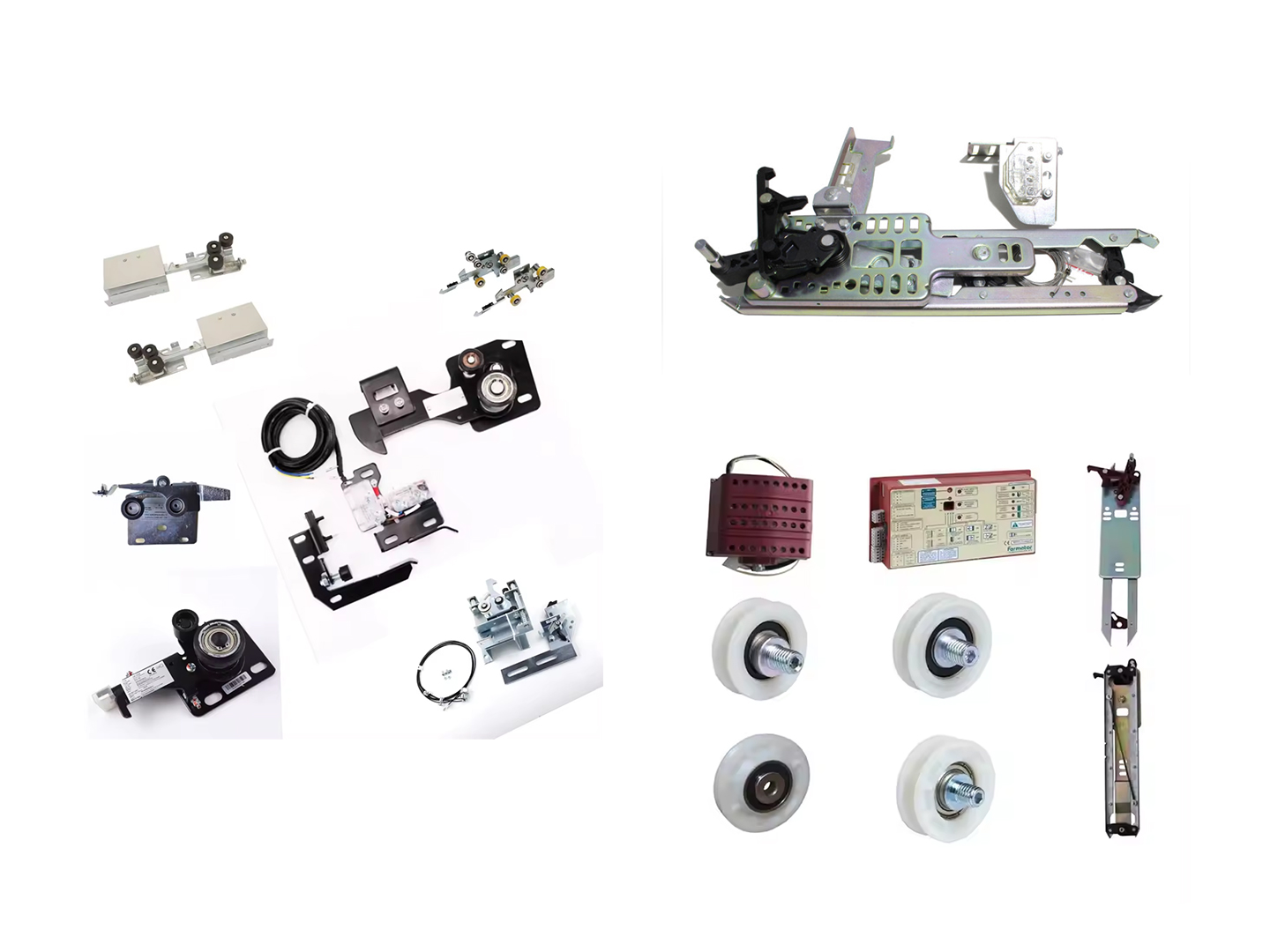
Elevator modernization is far more than simple single spare-part replacement. It is a systematic project requiring coordinated components across electronic control, door operator, traction, safety and signal feedback systems. Many contractors can easily source individual parts for retrofit jobs, yet assembling a full compatible set with matched parameters and unified certifications becomes one of the toughest bottlenecks during project execution. This challenge is amplified in mixed-brand fleets and aged building elevators, where communication protocols, protection logic and mounting dimensions are tightly interlinked. A single mismatched component can render the whole retrofit solution unworkable and hold up acceptance.

1. Proprietary protocols from different brands raise compatibility barriers
Most elevator OEM control systems run proprietary communication protocols without open universal standards. Mainboards, inverters and hall call panels that look visually alike often cannot communicate with one another. Fragmented suppliers usually specialise in only one category of parts and lack deep knowledge of other brands’ native system logic. When contractors source parts separately from multiple vendors, signal incompatibility and failed joint commissioning are frequently discovered only after delivery, forcing re-selection and re-ordering and wasting construction time.
2. Discontinued OEM production for legacy units leads to severe full-kit shortages
For elevators in service for more than a decade, OEMs have long ceased component production. Available spare parts on the market are mostly scattered aftermarket units and used salvaged parts. Stock is fragmented, making it nearly impossible to source a complete retrofit kit in one go. Many projects proceed intermittently while the team chases missing components. Extended shaft occupation disrupts building vertical access and triggers complaints from property managers and tenants.
3. Difficulty unifying certification standards across separate component purchases
Cross-border retrofit projects impose strict compliance requirements. The full set of retrofit components must satisfy local safety codes such as EN81. If parts are purchased from multiple suppliers, products may be manufactured against different standards, with inconsistent test reports and declarations of conformity. Some parts arrive without valid certificates, or certificates do not cover the specific elevator model. Non-unified compliance documentation will cause rejection during regulatory inspection.
4. System commissioning support for complete kits is often overlooked
Delivery of all components is only the first step. Subsequent wiring, parameter calibration and safety loop interlock testing are mandatory. Isolated part suppliers normally only deliver goods without offering technical support for integrated system commissioning. Contractors receiving a pile of components without a unified commissioning roadmap face high on-site trial-and-error costs and extended construction cycles.
5. One-stop full-range solution to resolve matching headaches
To mitigate compatibility risks, select a solution provider with system integration capabilities. The supplier carries out site surveys in advance, drafts a complete component list tailored to the original elevator model and site conditions, pre-validates compatibility between all parts, and supplies certification documents under unified standards.
NOVA ELEVATOR integrates manufacturing and trading. Our portfolio covers guide rails, elevator cars, counterweights, traction machines, door operator systems, control cabinet assemblies and safety components to deliver full-range packages for elevator modernisation:
One-stop sourcing. Core retrofit components from a single supplier, eliminating inconsistent lead times and quality from multi-vendor coordination.
Custom manufacturing. NOVA can produce discontinued, non-standard and imported replacement parts based on original drawings, physical samples or site survey measurements.
Multi-brand compatibility. Matched components available separately for different elevator brands and models.
Compatibility validation. Our engineering team assesses whether standard parts fit the original system or require custom adjustment.
Synchronised lead times. Production and delivery scheduled around construction milestones to reduce site waiting time.
Compliance certification. ISO9001 and CE certified products meeting relevant international elevator safety and electrical standards, with test reports and certificates available.
Cross-border delivery. Expertise in export documentation, packaging, customs clearance and logistics to support overseas projects.
Sourcing a matched full component set is not simply combining products from different manufacturers. It requires systematic integration across categories, brand logic, parameters, lead times and compliance paperwork. A partner with in-house manufacturing, customisation and full-range supply capacity keeps modernisation projects on track.
Related News
-
 For overseas property managers, contractors and elevator service providers, controlled restriction on generic-part misuse is essential to extend asset life and optimise whole-life-cycle expenditure.
-
 A supplier with in-house manufacturing, dedicated technical teams and formal emergency workflows minimises elevator downtime when failures strike.
-
 For overseas elevator contractors and property operators, building a reliable, precise communication workflow is foundational to smooth cross-border procurement.


