




Language difference is an unavoidable hurdle in cross-border elevator component sourcing. The elevator industry is packed with specialised terminology, model codes, electrical parameters and certification jargon that generic translation tools cannot interpret accurately. Misunderstood parameters, misread drawings and mistranslated standard clauses easily result in wrong part shipments and misaligned project expectations, delaying delivery schedules. For overseas elevator contractors and property operators, building a reliable, precise communication workflow is foundational to smooth cross-border procurement.
Common Language Pitfall: Relying Solely on Instant Translation Tools for Technical Information
Many buyers send long technical texts through translation software for daily communication. Such tools frequently produce inaccurate translations for elevator-specific vocabulary, drawing annotations and nameplate codes. Misinterpretation around safety components, communication protocols and regulatory clauses creates fundamental misunderstanding between buyers and suppliers. Verbal voice calls carry even higher information loss; most technical details leave no written trail, making dispute resolution and liability definition difficult afterwards.
Miscommunication usually surfaces across six key stages:
Technical parameter validation. Ambiguous descriptions of component specs, models, interfaces, voltage and dimensions lead directly to mismatched orders.
Fault description. On-site teams describe failures in their native language, and critical diagnostic information may be lost after translation, stopping suppliers from accurate assessment.
Drawings and documentation. Misinterpretation of shaft layouts, electrical schematics, installation manuals and technical standards due to language gaps.
Commercial terms. Ambiguous wording around quotations, lead times, payment terms, warranty scope and liquidated damages sparks disputes.
Certification and acceptance rules. Local regulatory language requirements for inspection documentation may conflict with documents supplied by vendors.
Ongoing correspondence. Combined friction from time zones, language barriers and different working rhythms often drag confirmation cycles out for days.
Standardised Documentation Reduces Reliance on Verbal Communication
The most effective way to minimise linguistic misunderstanding is to replace vague narrative descriptions with standardised supporting materials. Prioritise elevator nameplate photos, control cabinet snapshots, original OEM drawings, fault code screenshots and part serial numbers; use images, schematics and part IDs instead of lengthy written explanations. Prepare a fixed parameter checklist covering model, voltage, communication protocol, certification standard and mounting dimensions for line-by-line confirmation, and archive all critical agreements in writing.
Dedicated Technical Contacts and Shared Glossary
Long-term supplier partners can co-build a bilingual elevator terminology glossary to unify naming conventions for door systems, traction assemblies, safety gear and electrical components. Critical milestones including solution confirmation, drawing finalisation, order parameters and certification requirements should involve technically competent contacts rather than only commercial staff. Reserve image and document exchange for technical validation, while keeping simple commercial messages for lead-time and logistics updates.
Confirm Required Language Versions for Certificates and Test Reports In Advance
Regulators in different countries impose rules on certificate languages; some territories only accept English declarations of conformity and test reports. Clarify required languages for all technical documents and nameplate marking at the early procurement stage, to avoid extra time and cost from secondary translation and notarisation later.
Work With Technical Service Providers Familiar With Overseas Markets to Simplify Communication Chains
If your in-house team lacks personnel familiar with Chinese supply chains and fluent in elevator technical English, partnering with a technically capable cross-border supplier delivers major efficiency gains. NOVA maintains a bilingual technical team well-versed in global elevator codes and industry terminology. Our engineers directly interpret drawings, fault reports and local regulatory requirements, relay client specifications accurately and cross-verify all parameters, certification and drawing details to minimise communication error. Eliminating multi-party translation loops drastically cuts procurement mistakes caused by misinterpretation and ensures accurate order delivery.
Related News
-
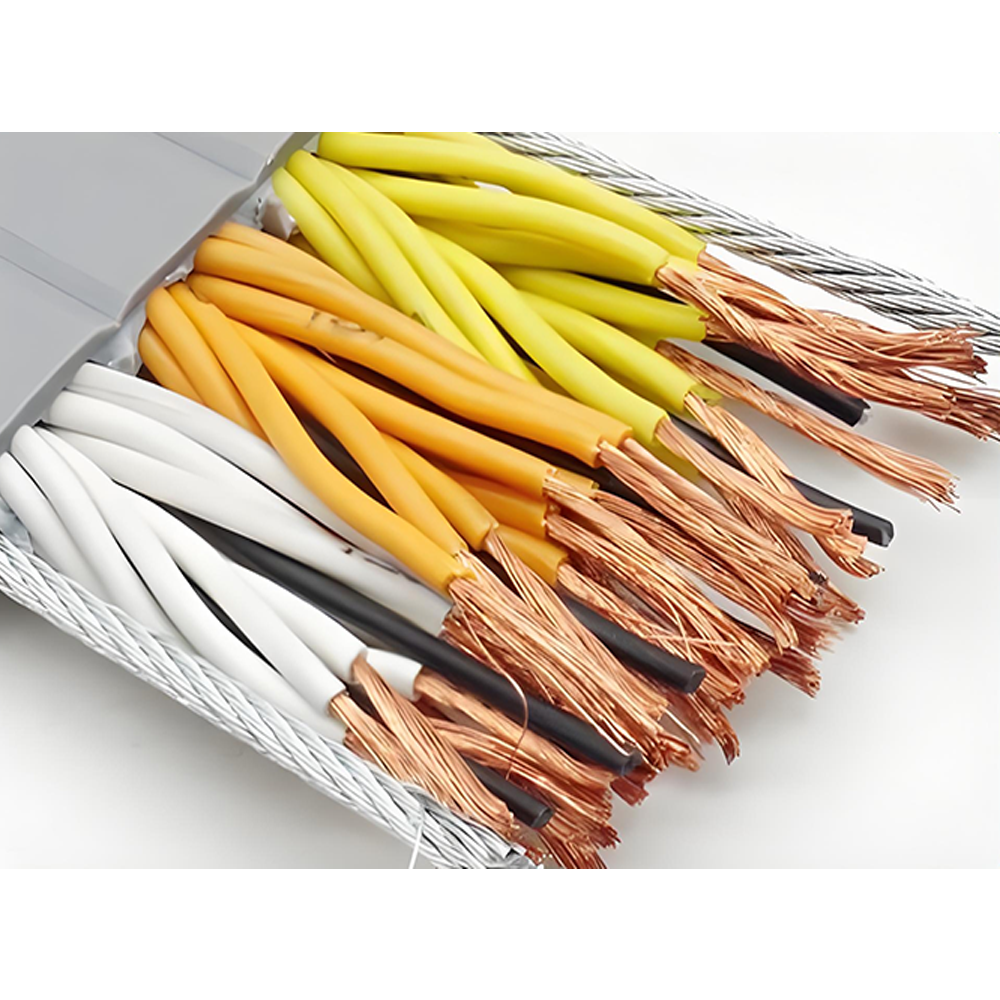 Having supported numerous overseas elevator projects, NOVA has witnessed countless recurring failures traced back to low-grade spare parts.
-
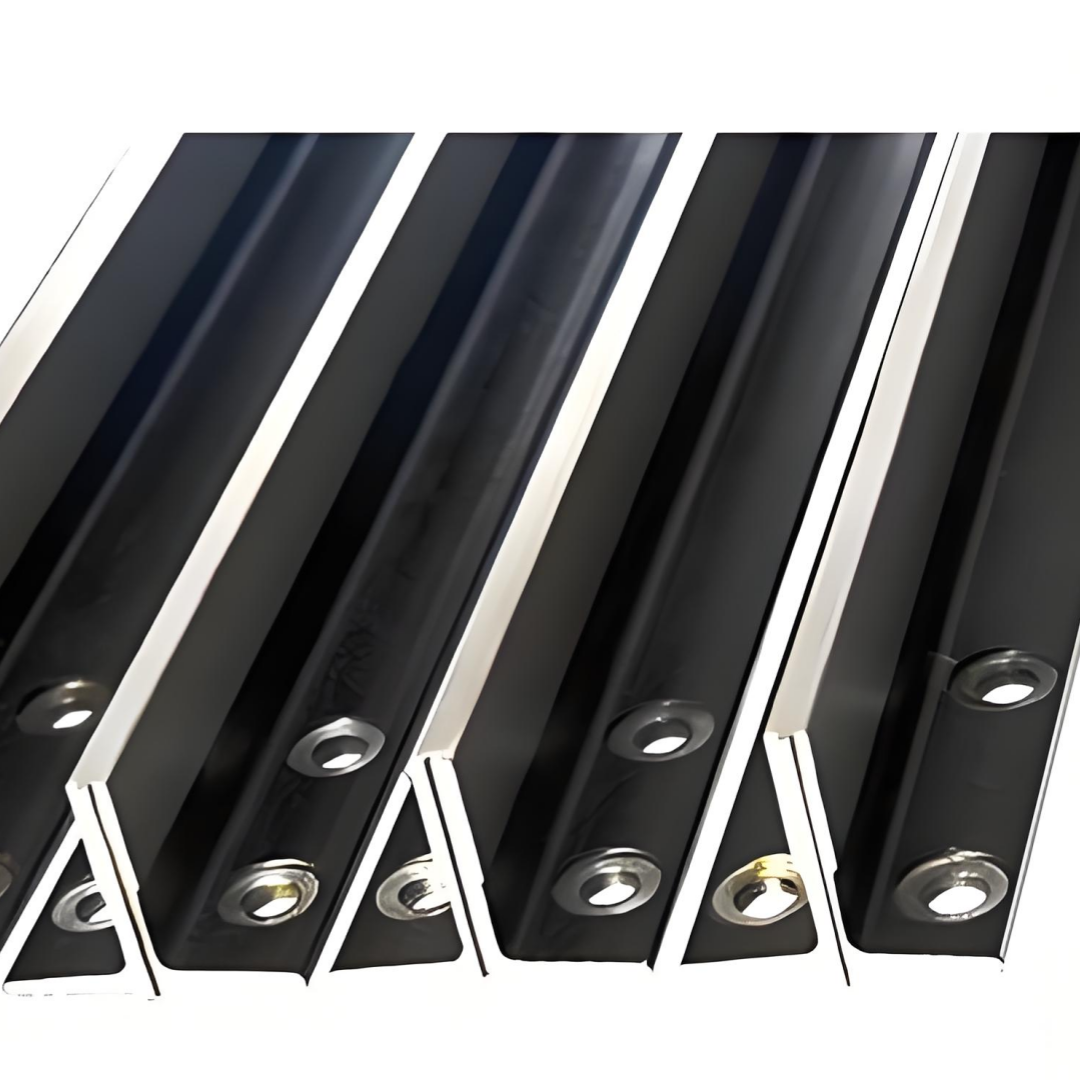 Rising procurement costs are an industry reality, yet extra burdens created by poor sourcing can be controlled with smarter strategy and capable supply partners.
-
 Specifying a certified supplier for safety components is the most direct and effective safeguard for building safety.


