




Elevator contractors have faced mounting pressure from rising operational costs in recent years. Fluctuating prices of steel, copper and electronic components, soaring sea freight rates and climbing labour costs are all visible cost drivers. Nevertheless, for many projects, the true burden does not stem from these obvious expenses, but hidden costs triggered by flawed sourcing strategies: premium charges for emergency air freight, rework caused by incompatible spare parts, administrative overhead for coordinating multiple vendors, liquidated damages from delayed lead times and complimentary replacements within the warranty period. Inefficient procurement practices create sustained and difficult-to-manage burdens, often more impactful than raw material price hikes.

Typical Symptoms of Poor Sourcing
Poor sourcing frameworks usually display these common traits:
Focus only on unit price rather than total cost of ownership. Contractors select the lowest-bid suppliers while overlooking part quality, delivery stability and after-sales support, only to incur heavier costs at installation, commissioning and maintenance stages.
Excessive vendor fragmentation. Sourcing different components from separate suppliers drains the procurement team’s time on enquiries, price comparison, order chasing and coordination; management costs are widely underestimated.
No long-term partnership framework. Repeatedly hunting for new suppliers removes visibility on stable lead times and pricing, and blocks access to technical support and priority production scheduling.
Absence of spare parts inventory strategy. Without rational stockpiling for fast-moving and critical components, ad-hoc emergency orders come with inflated pricing and extended lead times once failures occur.
Overlooking compliance costs. Low-cost parts lacking certification documents force costly rework, supplementary procurement or full replacement at acceptance stage, with final expenses far exceeding budgets.
How Hidden Costs Accumulate Into Financial Burdens
Hidden costs from ineffective sourcing compound through multiple channels:
Rework expenses. Incompatible or low-quality components trigger on-site rework, causing combined losses on labour and materials.
Downtime losses. Extended elevator outages from delivery delays expose contractors to claims from building owners.
Management overhead. Continuous multi-vendor alignment, repeated communication and document sorting consume substantial internal resources.
Capital tie-up. Overstocking to hedge against uncertainty locks up operating cash flow.
Reputational damage. Schedule slippage and quality failures harm contractors’ standing with owners and main contractors, hurting future bidding and collaboration opportunities.
These costs never appear on purchase orders yet steadily erode project margins.
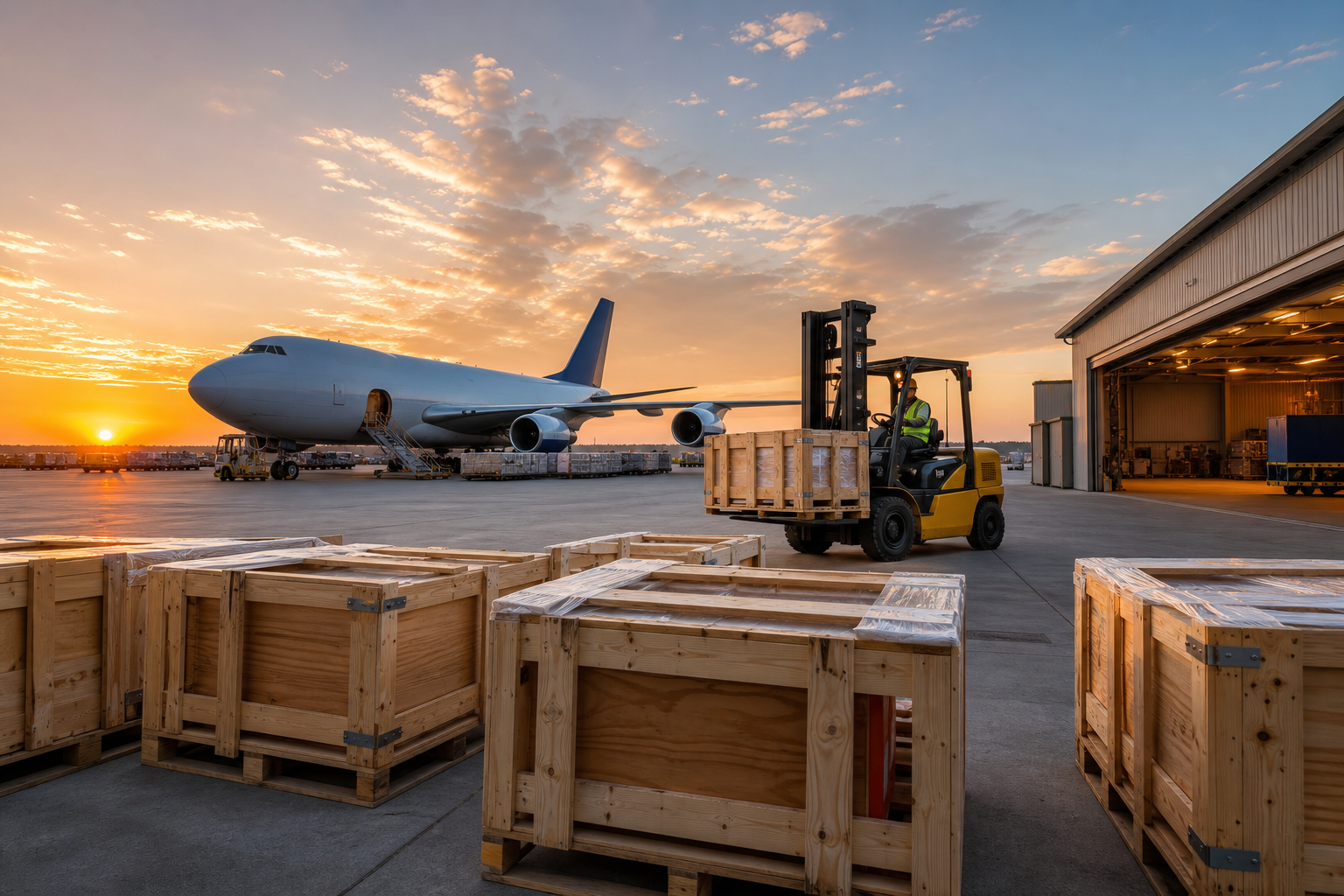
Directions to Optimise Sourcing Strategy
Cutting procurement costs is not simply about pushing prices down; it requires strategic optimisation:
Shift from unit-price-centric evaluation to total-cost-of-ownership assessment. Factor quality, lead-time reliability, certification, after-sales service and technical support into supplier evaluation.
Consolidate vendor base. Prioritise integrated suppliers covering a broad component portfolio to reduce coordination workload.
Establish long-term partnerships. Sign framework agreements with reliable suppliers to lock in predictable lead times and pricing, and secure priority scheduling plus technical backup.
Tiered spare parts inventory management. Classify parts into stocked standard items, on-demand procurement and custom alternatives based on usage frequency and downtime impact.
Embed compliance requirements upfront. Clearly define certification packages and acceptance criteria within purchase contracts to avoid remedial work later.
Leverage in-house manufacturing capacity. Suppliers with self-owned production facilities deliver better lead-time control and customisation flexibility, reducing uncertainty introduced by intermediate traders.
The success of any sourcing strategy heavily relies on supplier capability. Pure trading vendors cannot control production schedules; suppliers with narrow product ranges fail to help consolidate your vendor list; providers without customisation capacity will simply redirect you back to OEMs for legacy elevator models; suppliers lacking export experience struggle with cross-border compliance and logistics.
NOVA ELEVATOR combines manufacturing and trading. Our portfolio covers guide rails, elevator cars, counterweights, traction machines, door operator systems, control cabinet assemblies and safety components. We help contractors streamline suppliers, unify lead times and technical documentation. Our in-house production and testing facilities enable predictable scheduling and custom development. ISO9001 and CE certification allow us to supply valid certification and test reports to mitigate acceptance risks. For elevator contractors, optimising sourcing is not about switching to a cheaper vendor — it means selecting a partner capable of sustained support across quality, lead time, compliance and technical service. Rising procurement costs are an industry reality, yet extra burdens created by poor sourcing can be controlled with smarter strategy and capable supply partners.
Related News
-
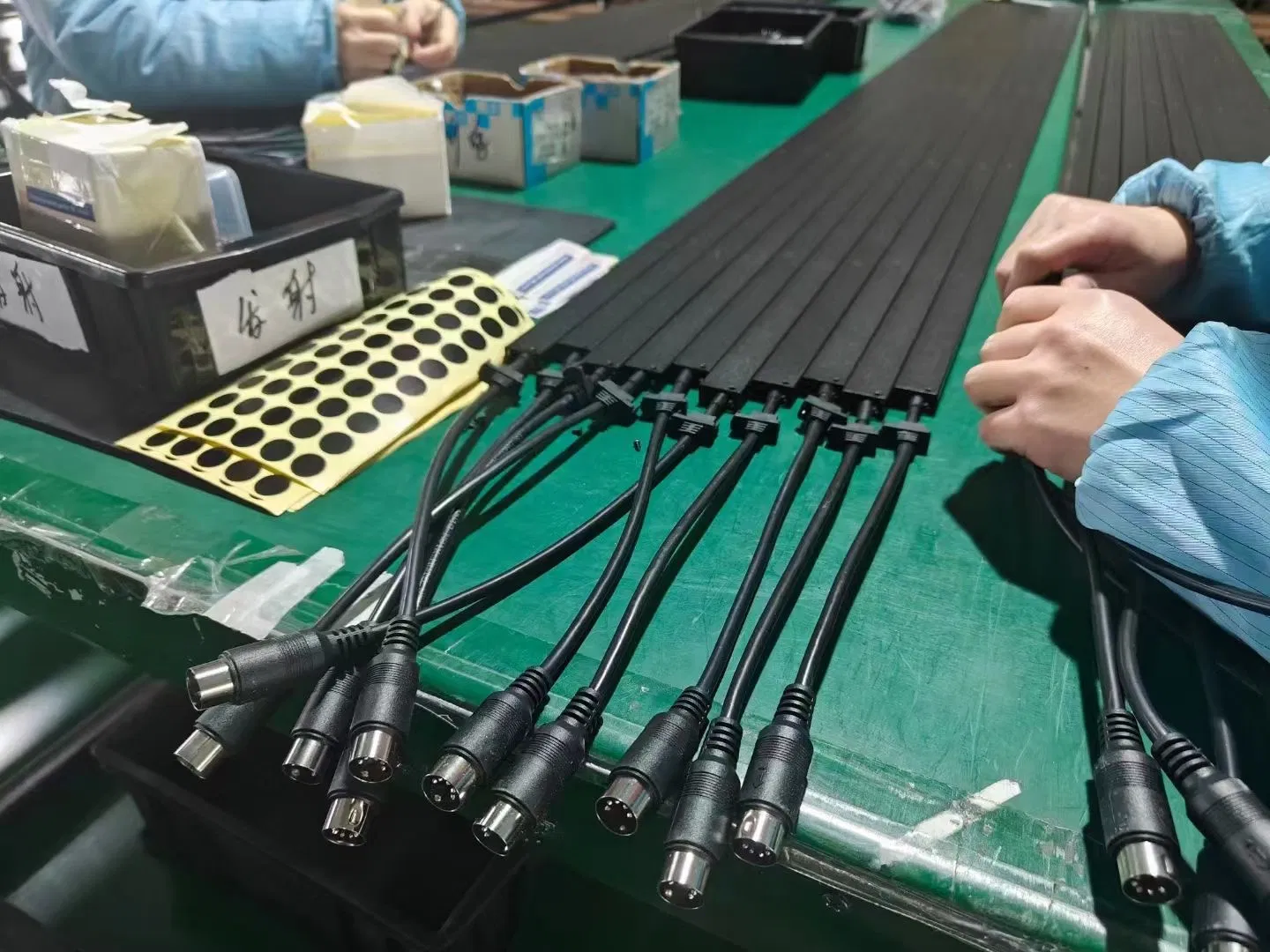 Specifying a certified supplier for safety components is the most direct and effective safeguard for building safety.
-
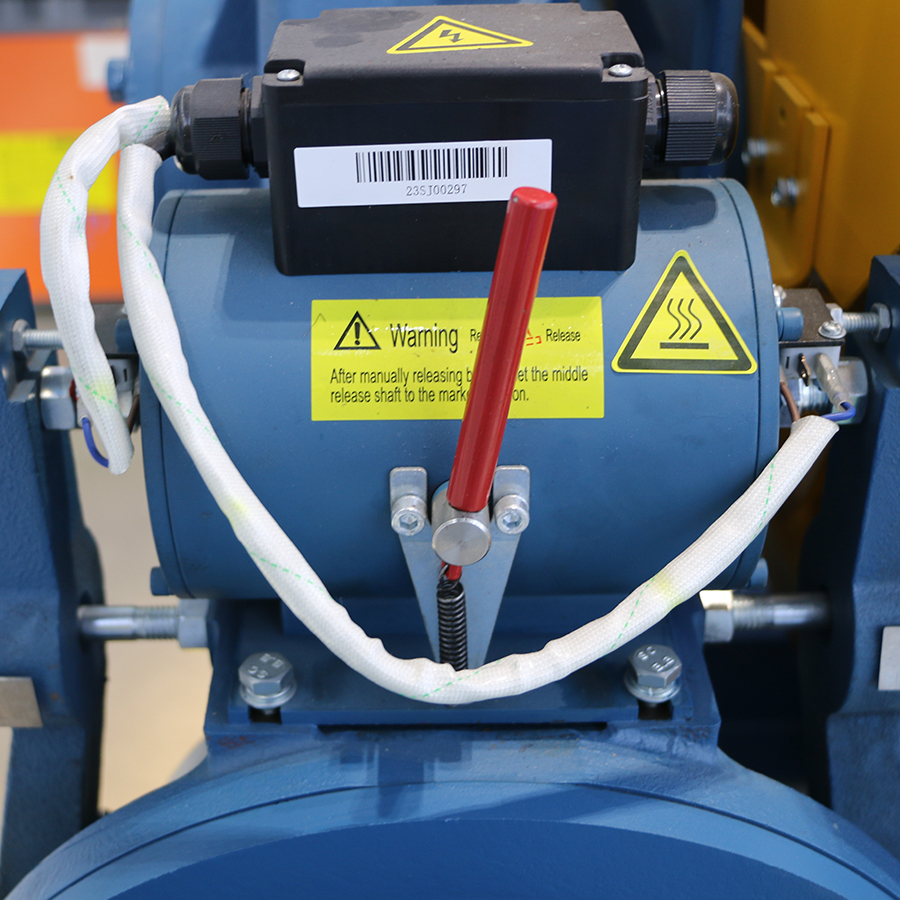 Working with a manufacturer-backed supplier with proven cross-border delivery expertise keeps outage durations as short as possible during breakdown events.
-
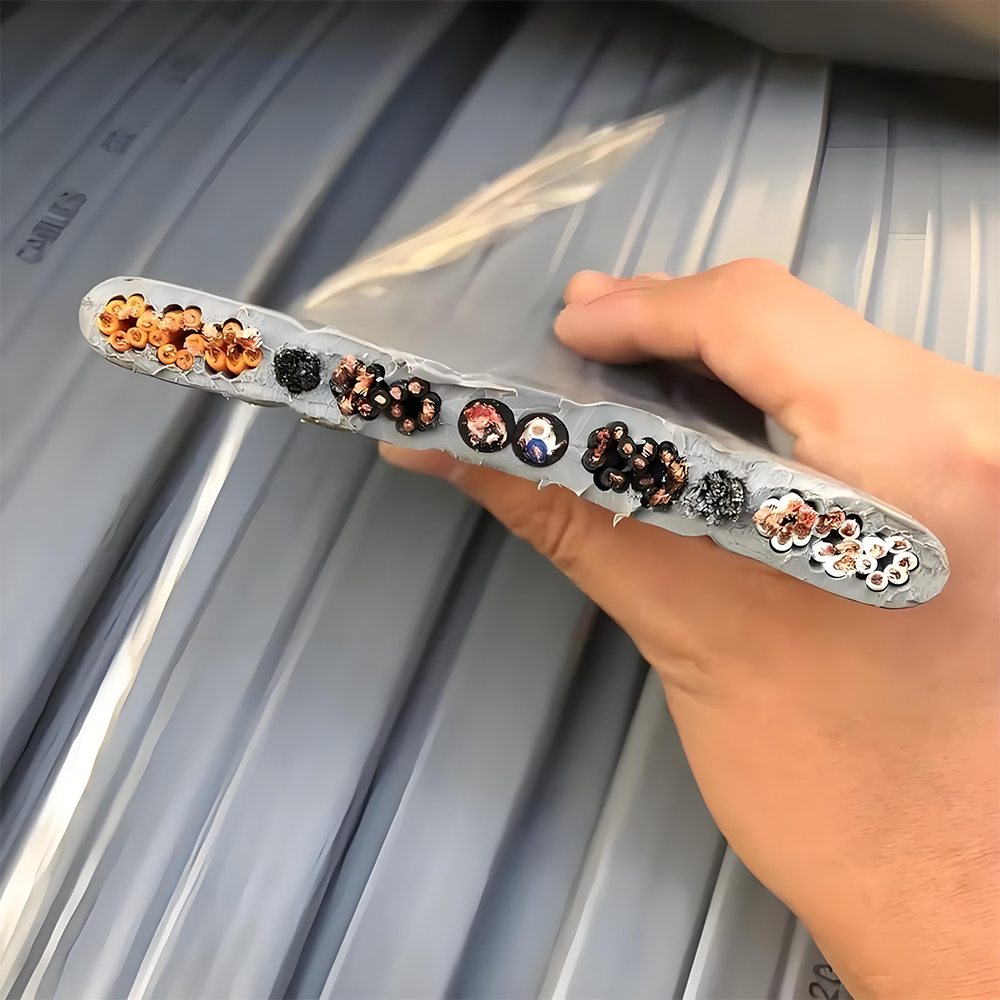 Compatibility should not be gambled on at the installation site; it is a risk resolved upfront through the supplier’s technical competence.


