




Compatibility failures rank among the top causes of schedule delays in elevator maintenance and modernisation projects. Many contractors assume identical appearance and common product names guarantee direct interchangeability, only to discover mismatched dimensions, incompatible communication protocols and conflicting pin definitions once installation commences. Planned workflows grind to a halt. Idle site labour and extended equipment rental inflate costs, while complaints from property managers and tenants pile up. For contractors managing multiple parallel jobs, one compatibility failure drains manpower reserved for other projects and creates cascading negative impacts.
Parts Arrive, Yet The Project Stops
One of the most frustrating scenarios in elevator works is receiving parts that cannot be fitted, commissioned or operated. Model mismatch, incompatible interfaces and conflicting parameters are especially common in cross-border projects. A seemingly minor compatibility flaw can freeze the whole job: installation crews stand idle, commissioning cannot proceed and acceptance dates keep slipping. For overseas contractors and property managers, compatibility is not a minor technical detail — it determines whether the project stays on track.
Where Compatibility Issues Originate
Compatibility risks usually emerge in these areas:
Model and version variance. Control systems, door interfaces and traction machine parameters differ across production batches and years for the same brand. Parts specified for one version may not suit another.
Closed control communication protocols. Legacy elevator controllers use proprietary protocols that block integration with new replacement hardware.
Mechanical interface mismatch. Slight deviations in door-operator mounting holes, rail bracket spacing or traction machine base dimensions can prevent installation.
Inconsistent electrical parameters. Conflicting voltage, current and signal definitions may disable safety protections or trigger false trips after direct swap-out.
Misaligned safety interlocks. Overspeed governors and safety gears, landing locks and door-circuit monitoring require precise coordination. Replacing only one element can break the original safety linkage.
A Real-World Compatibility Lesson
The financial impact of compatibility errors often exceeds expectations. A public elevator in Ponferrada, Spain, was shut down by a failed hydraulic motor. Maintenance technicians ordered a rotor and coupling ring from an Italian factory. When the parts arrived on site, they proved mechanically incompatible with the rest of the lift assembly. The components had to be returned to Italy, and the manufacturer shipped correct replacements. A repair originally scheduled to wrap within three weeks stretched to nearly six weeks. This case proves compatibility risks cannot be managed simply with care during fitting. Technical validation must take place before ordering; incorrect shipments automatically add weeks of downtime.
Front-End Practices To Resolve Compatibility Risks
Prevent compatibility disruptions by validating fit before purchase:
Confirm full model and configuration. Never order based purely on elevator brand or approximate age; collect exact model codes, batch identifiers and control firmware versions.
Physical survey or drawing verification. Site measurements outperform catalogue data for legacy and non-standard equipment.
Secure compatibility confirmation from the supplier. Qualified component vendors should assess suitability for standard parts or propose custom manufacturing against the elevator’s real parameters.
Archive technical records. Log all retrofits and part replacements with full model and parameter data for future procurement reference.
Pre-assembly testing or dimensional cross-checking for critical assemblies to verify interfaces and parameters before dispatch.
Compatibility Expertise As A Core Supplier Value
Suppliers differ dramatically in their capability to resolve compatibility challenges. Pure trading vendors typically quote only against part numbers without assessing real fit. Suppliers without customisation capacity can only redirect buyers back to OEMs for obsolete parts. Teams lacking multi-brand experience struggle to deliver matched solutions for mixed elevator fleets. Reliable partners combine manufacturing capacity, customisation capability and cross-brand retrofit experience.
NOVA ELEVATOR supplies control cabinet assemblies, door systems, traction spares and safety components. We perform compatibility assessments against original elevator specifications and site conditions. For discontinued and non-standard parts, we produce custom equivalents based on original drawings or physical samples. Compatibility should not be gambled on at the installation site; it is a risk resolved upfront through the supplier’s technical competence.
Related News
-
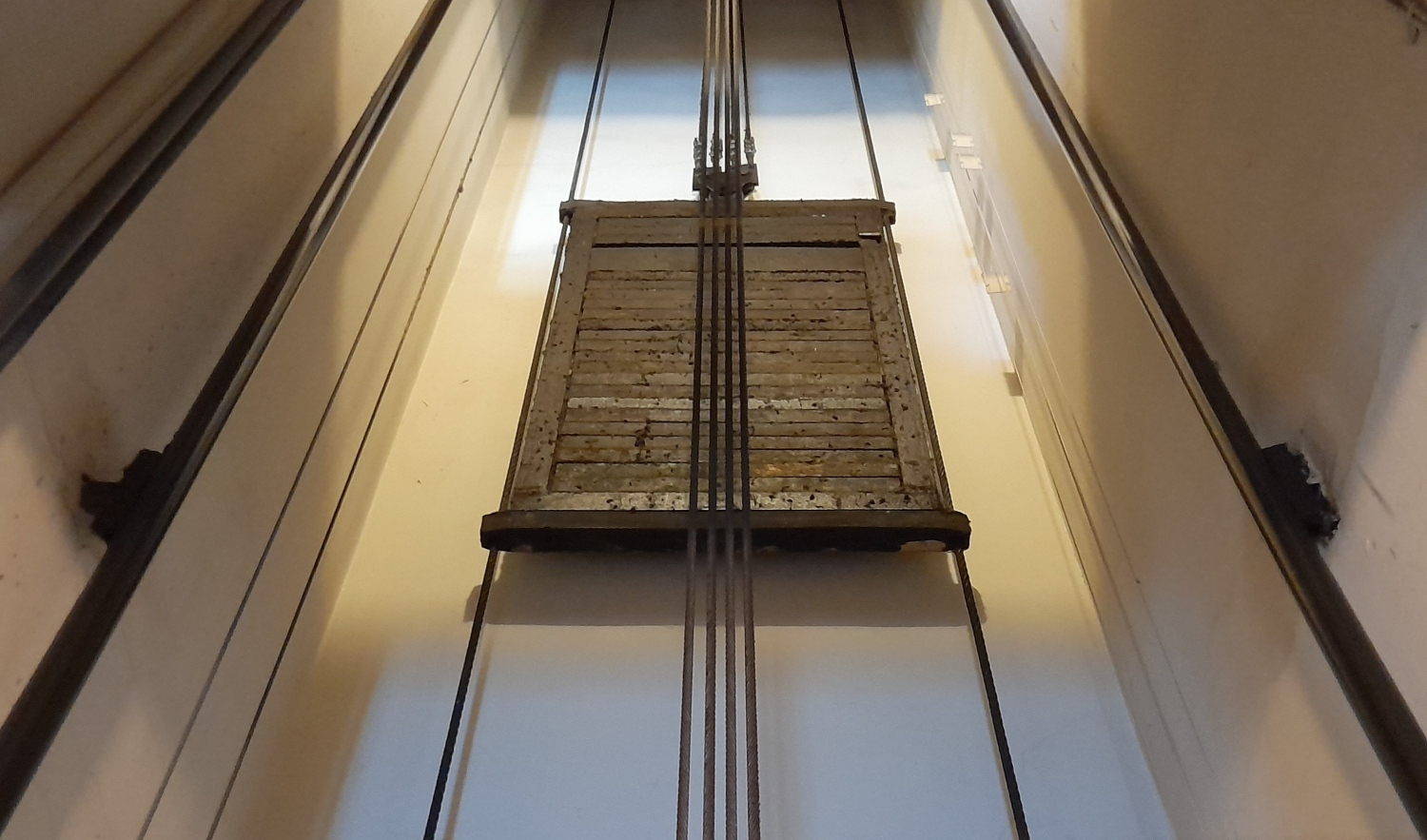 NOVA ELEVATOR specialises in elevator component manufacturing and export, holding ISO9001 and CE certification. We supply safety-component approvals and test reports, alongside compliant export documentation and packaging to help importers mitigate risks before goods leave the factory.
-
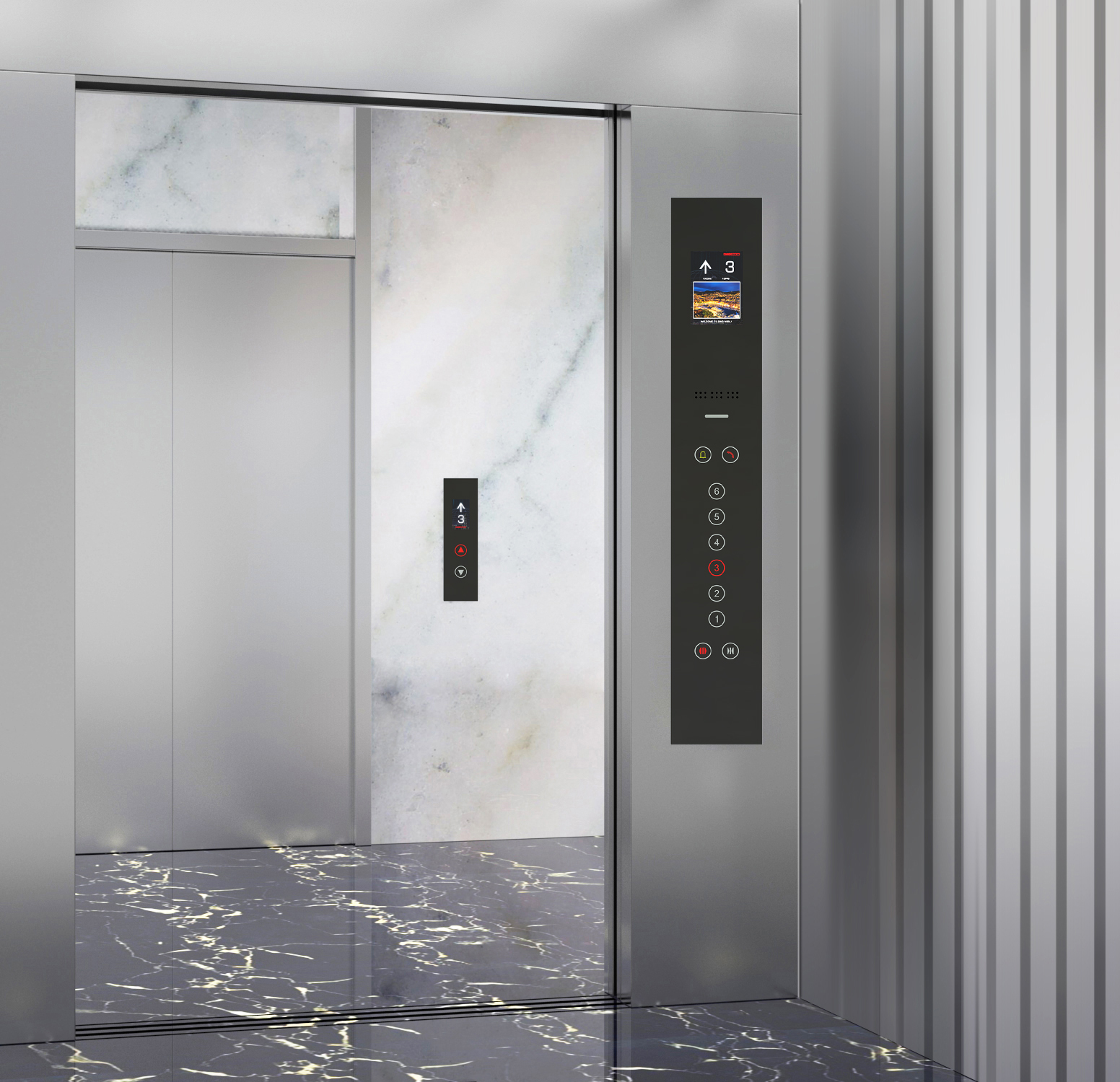 Amid ongoing global supply chain turbulence, sourcing from a manufacturer-rooted supplier helps buyers bring lead-time risks under control.
-
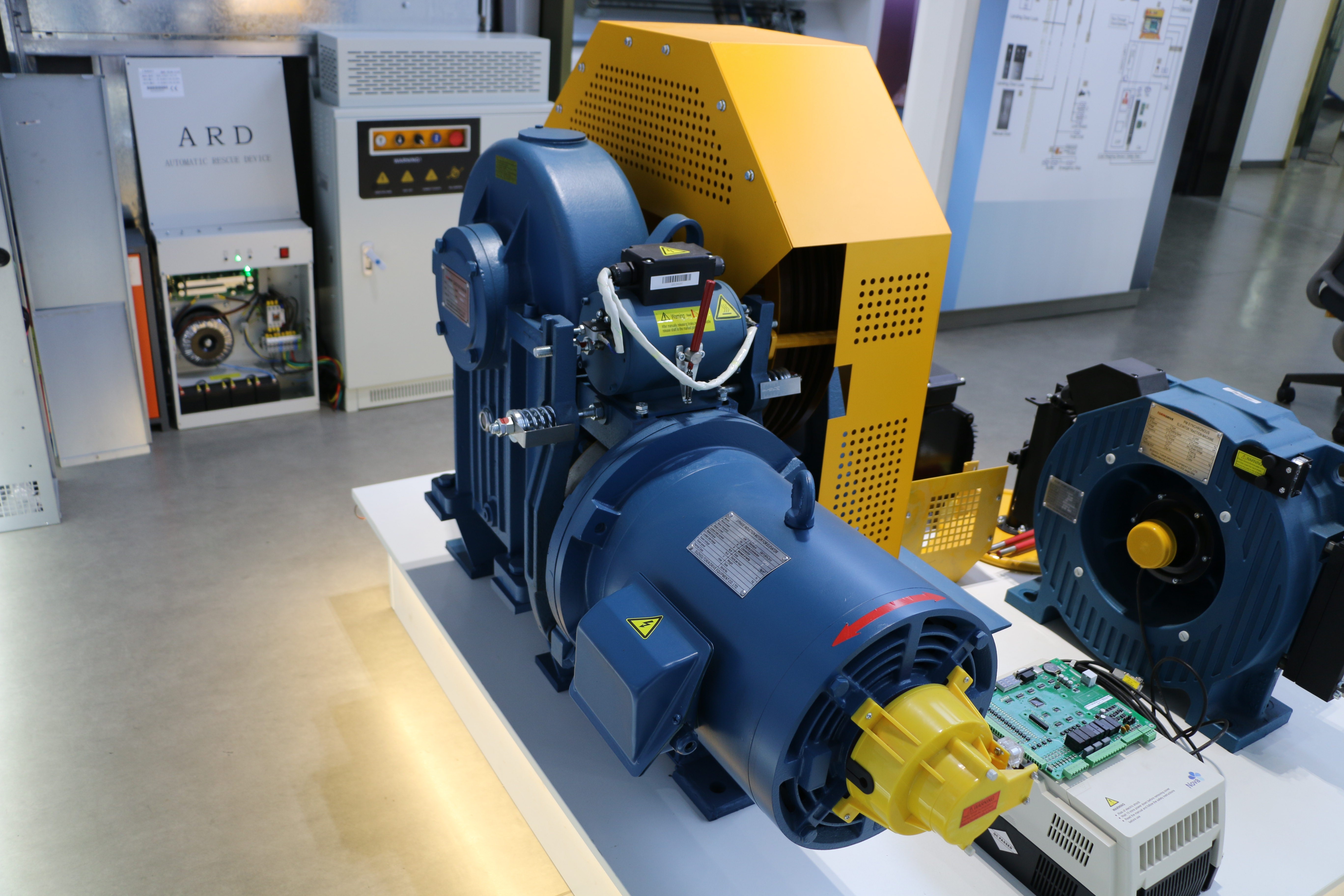 When your supplier can deliver surveying, fabrication, testing and bundled export support, legacy elevator downtime shrinks dramatically. Maintenance teams are no longer held hostage by a single unavailable component.


