




Sourcing elevator components from China is a mainstream strategy for overseas elevator contractors and maintenance companies to control project costs and build spare parts inventories. China boasts a complete industrial ecosystem offering new lift components, legacy spare parts and modernisation kits across varied price tiers. Still, cross-border procurement involves lengthy logistics chains and divergent compliance rules. Insufficient pre-order verification easily leads to costly setbacks: parts that fail to fit, delayed construction, or components that do not satisfy local codes and cannot pass inspection. In worst-case scenarios, uncertified parts create safety hazards, triggering expensive rework and compensation claims. Familiarising yourself with frequent risks and building a standard procurement checklist is essential for cross-border importers.
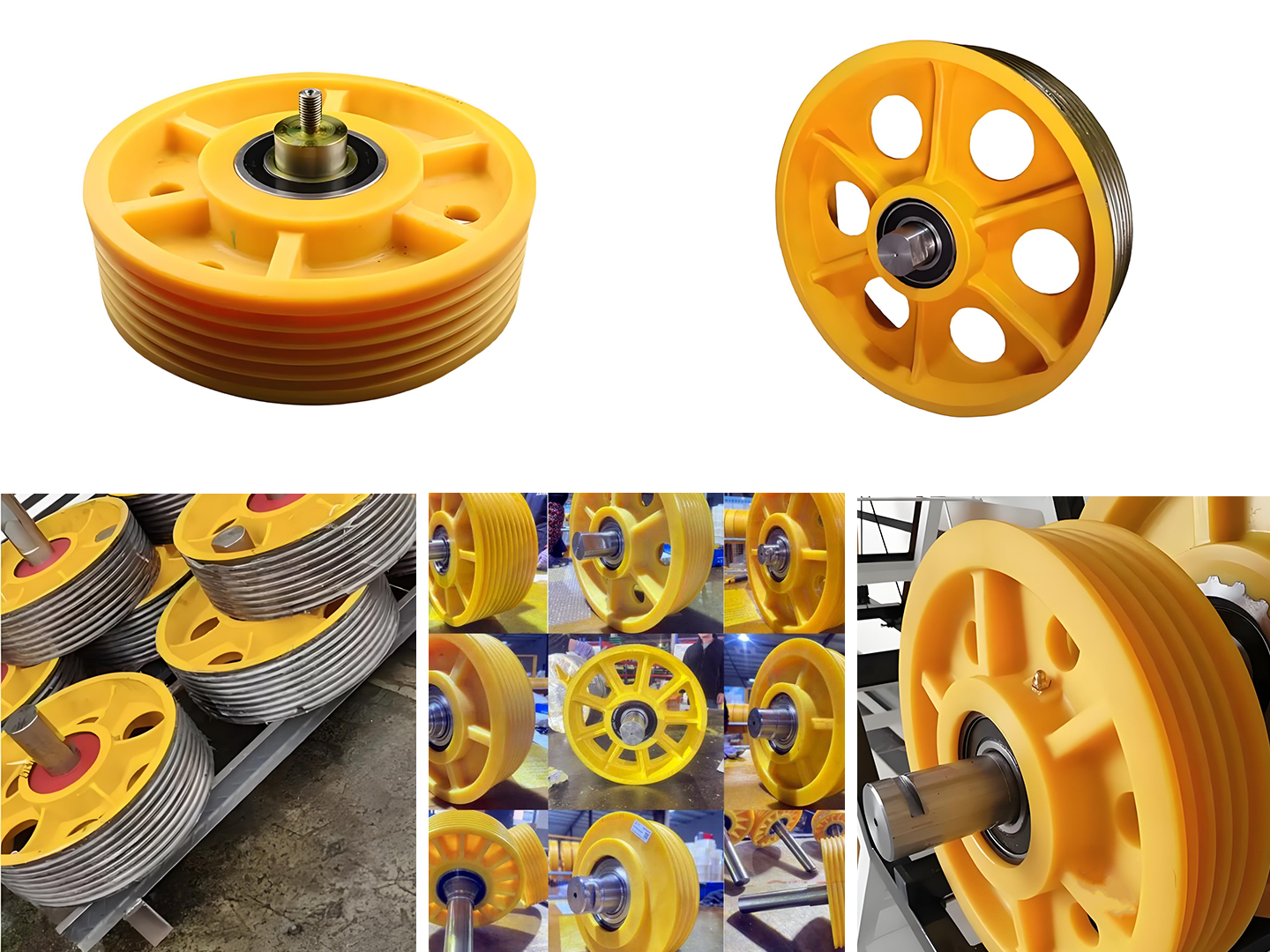
1. Chasing Low Prices While Ignoring Certification & Standard Alignment
This is the most prevalent mistake. Some vendors submit rock-bottom quotations for products lacking mandatory special-equipment certifications, or certificates that reference standards incompatible with the destination country. Markets across Europe and Southeast Asia commonly require compliance with standards such as EN81. Certificates, test reports and nameplate data must match perfectly. Low-cost uncertified parts, even visually identical, may be rejected by local inspectors upon arrival. Goods may need to be returned or scrapped, with full loss of goods payment and freight.
2. Oversights on Drawings & Parameters Result In Poor Fit
Elevator parts depend heavily on parameter matching. Two items sharing the same generic name — door operator or controller mainboard for example — can differ drastically in mounting dimensions, interfaces and communication protocols between brands, production years and firmware versions. Many buyers place orders based only on photos or simple part numbers without requesting detailed drawings, nameplate specifications and wiring definitions. They only discover incompatibility after arrival. Cross-border return cycles are extremely long and rarely fit tight project timelines.
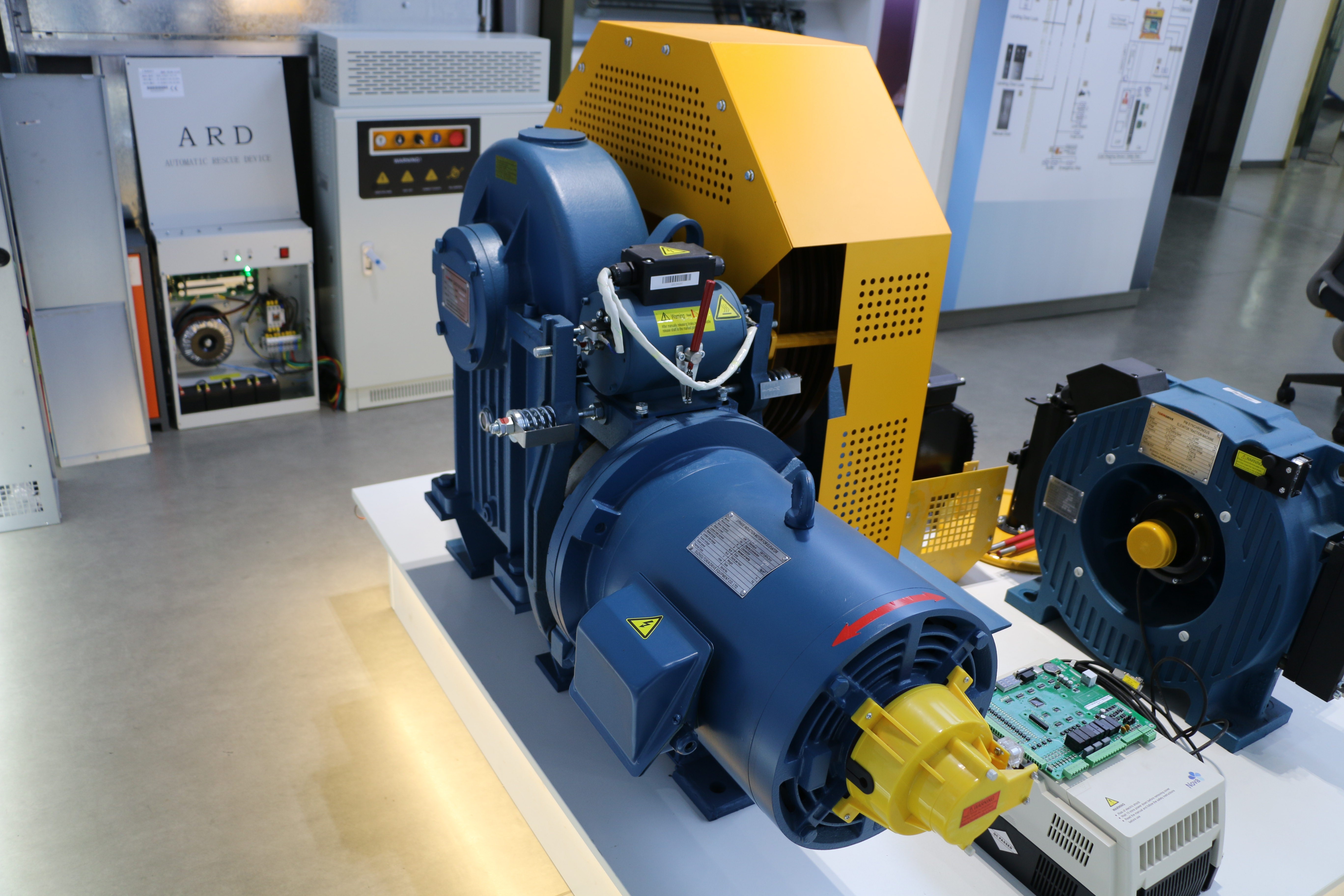
3. Incomplete Export Documentation Blocks Customs & Acceptance
Beyond bills of lading, packing lists and commercial invoices, many regulatory authorities demand extra documentation including material certificates, factory test reports and declarations of conformity for elevator component imports. Smaller suppliers often lack familiarity with overseas regulatory requirements and cannot supply full technical packages. This causes customs hold-ups or failed final acceptance due to missing paperwork, dragging retrofit delivery and exposing contractors to continuous liability from property owners.
4. Vague After-Sales Boundaries and Lack of Technical Support Agreements
Numerous vendors only handle shipment without follow-up technical coordination. Once goods arrive, site engineers struggle with installation and commissioning without accessible technical support. Quality disputes suffer from unclear liability and cumbersome return processes. For safety-critical elevator equipment, field commissioning guidance and fault troubleshooting are just as vital as the components themselves.
5. Systematic Measures To Prevent Import Pitfalls
Embed these control checkpoints into your procurement workflow:
Accurate measurement and drawing confirmation. Shaft dimensions, headroom, pit depth and machine-room conditions must be measured and mutually confirmed before order placement.
Clear component specifications. Contract fixed brand and model numbers for key assemblies such as motors, controllers, door sensors and steel ropes, and reject unbranded substitutes.
Complete technical documentation pack. Require drawings, calculation notes, safety-component type approvals, factory certificates and test reports shipped alongside goods.
Pre-shipment inspection. Arrange checks by an independent third party or buyer representative before factory dispatch, focusing on safety assemblies, braking performance and dimensional accuracy.
Select export-experienced suppliers. Vendors familiar with destination-market certification rules, packaging standards and documentation workflows reduce barriers at customs and inspection stages.
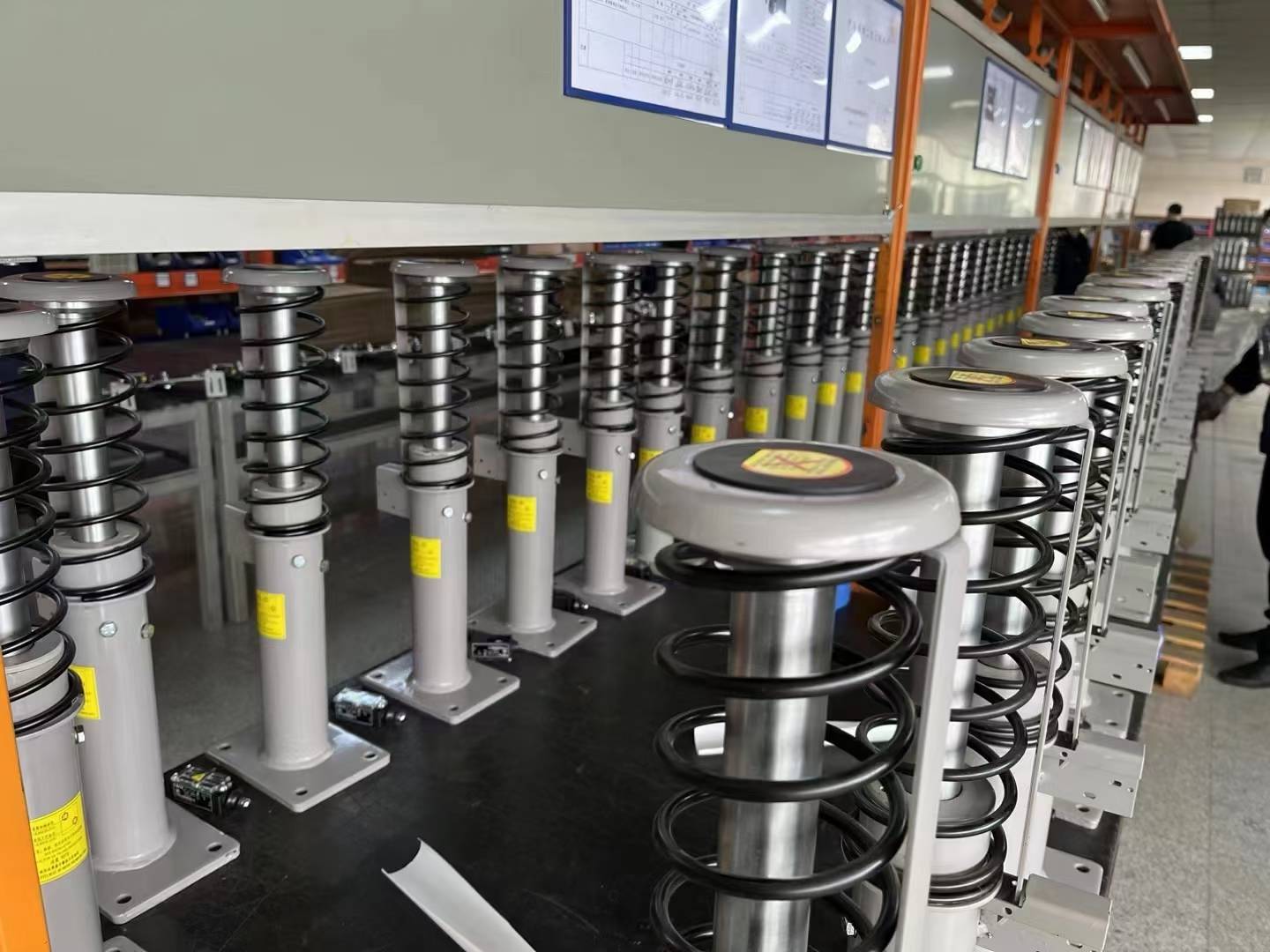
NOVA ELEVATOR specialises in elevator component manufacturing and export, holding ISO9001 and CE certification. We supply safety-component approvals and test reports, alongside compliant export documentation and packaging to help importers mitigate risks before goods leave the factory.
Related News
-
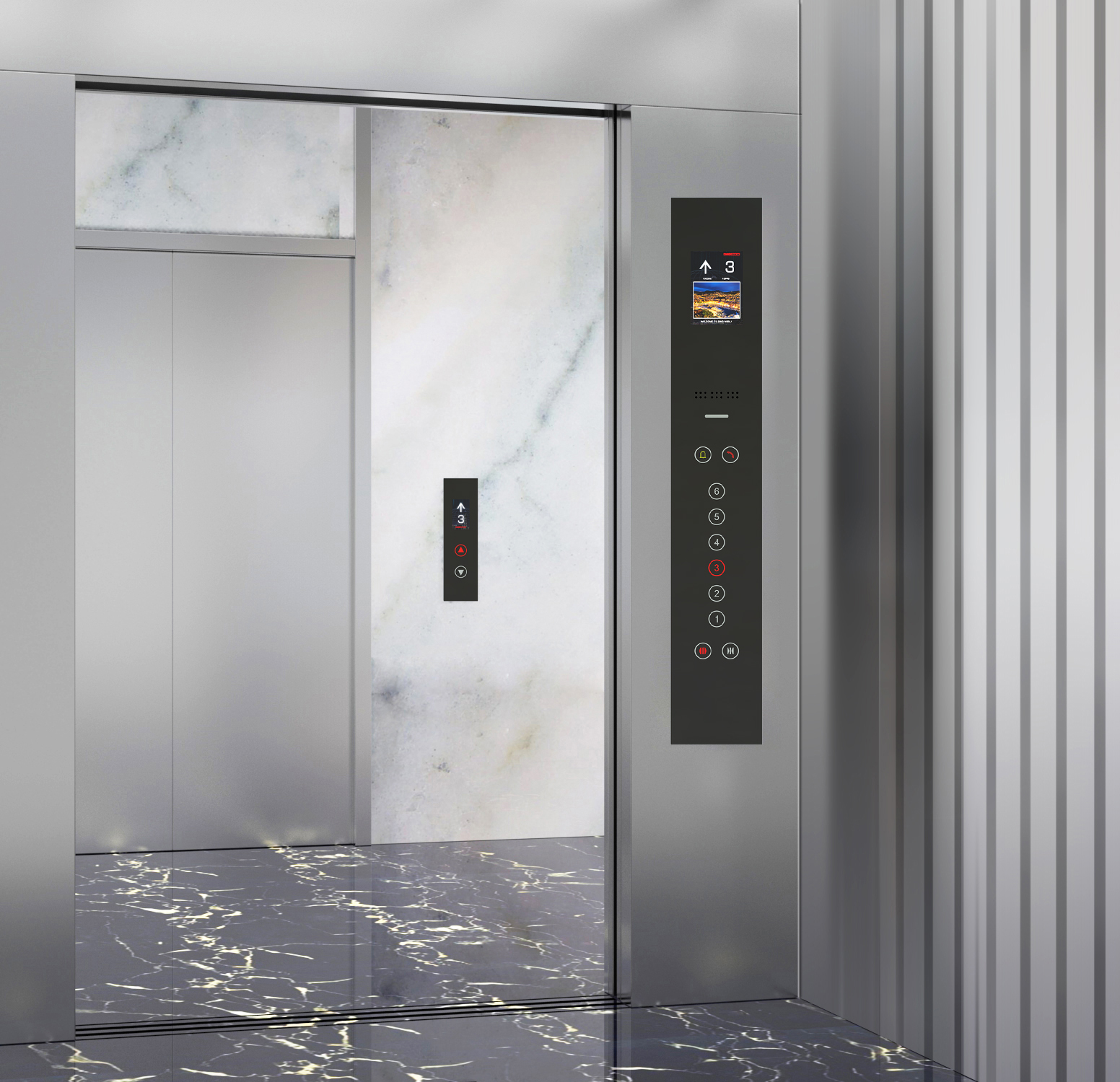 Amid ongoing global supply chain turbulence, sourcing from a manufacturer-rooted supplier helps buyers bring lead-time risks under control.
-
 When your supplier can deliver surveying, fabrication, testing and bundled export support, legacy elevator downtime shrinks dramatically. Maintenance teams are no longer held hostage by a single unavailable component.
-
 For overseas contractors and real estate operators, one-stop procurement reduces unknown risks and delivers predictable project outcomes.


