




Persistent supply chain volatility has become a long-standing pain point for overseas elevator contractors, maintenance firms and property operators. Unlike general industrial goods, elevator components fall under safety-critical special equipment parts, with rigid requirements on lead time, consistent quality and certification documentation. When supply chains fluctuate, disruptions spill far beyond procurement: they derail on-site maintenance, delay modernisation handovers, disrupt normal elevator operation and even trigger local regulatory compliance risks. Many pre-planned maintenance schedules and elevator upgrade projects are put on hold due to component shortages, delayed production scheduling and shipping disruptions, resulting in timeline overruns, idle labour, and rising tenant complaints.
Multiple Overlapping Factors Fuel Uncertainty
Fluctuating global freight rates, shifting customs clearance rhythms and volatile raw material prices all exert pressure on elevator component supply chains. Many small and medium-sized component manufacturers struggle with unstable output: they cannot meet order deadlines during peak seasons while facing idle capacity in slow periods. Elevator parts span diverse product lines including traction assemblies, door operators, mainboards, sensors and safety gears. Shortages of just one single part can halt an entire maintenance or retrofit plan. For contractors delivering cross-border projects year-round, traditional stockpiling strategies alone cannot fully offset this unpredictability.
Fragmented Procurement Amplifies Volatility Risks
Many buyers source different parts from numerous small manufacturers, which seems to broaden options yet disperses and magnifies risks. Each vendor follows its own production schedule, QA standard and export documentation capability. A delay from just one supplier stalls the whole project. Procurement teams spend excessive time coordinating parties, tracking shipments and cross-checking paperwork. Communication costs remain high, and there is no single coordinator to respond rapidly to emergencies.
Dilemma Between Stocking Capital and Warehouse Pressure
To hedge against supply disruptions, some contractors choose advance stockpiling. However, elevator parts feature a vast variety of models, and components from different brands and generations are often non-interchangeable. Blind inventory tying up large working capital, alongside warehouse management burdens and losses from ageing or obsolete stock. Spare parts exclusive to legacy elevator models have low market demand and poor stocking ROI. Overstock quickly locks up cash and worsens capital turnover.
Practical Strategies for a Stable Supply Chain
To cushion shocks from supply chain swings, partnering with an integrated supplier is a more reliable route. A trusted partner maintains stable in-house production and qualified subcontracting resources, capable of coordinating production across multiple component categories, consolidating shipments for export and delivering complete certification packs together. Phased delivery aligned with project timelines removes the need for one-off bulk stocking.
Many overseas buyers build long-term partnerships with specialist suppliers focused on cross-border elevator parts and retrofit solutions. Mature production scheduling, quality control and export workflows lock in confirmed lead times, with real-time tracking of logistics and customs clearance to close information gaps between scattered vendors. Against market turbulence, a solid supply chain foundation keeps maintenance and modernisation works on track and limits financial and reputational damage caused by unplanned shutdowns.
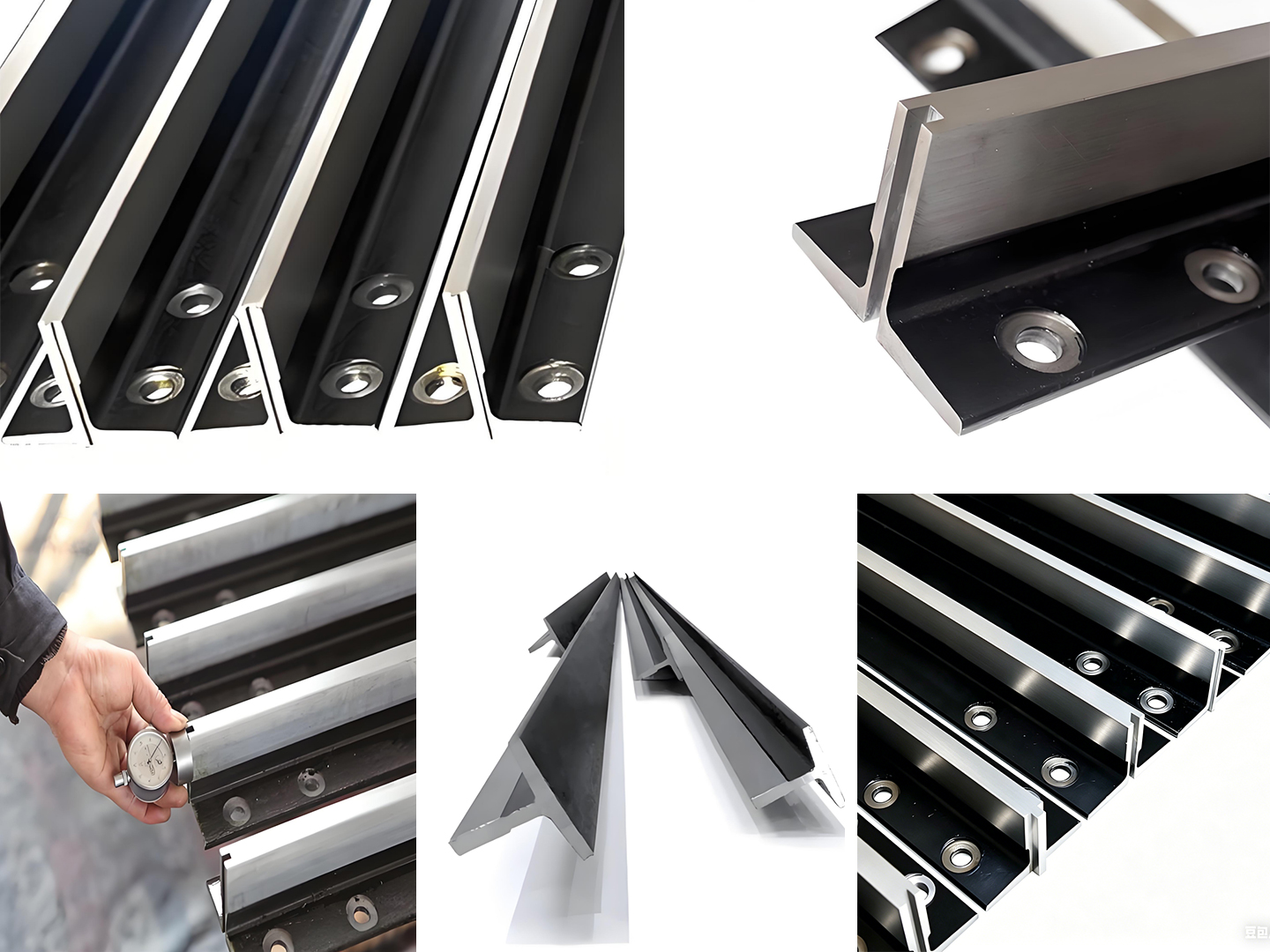
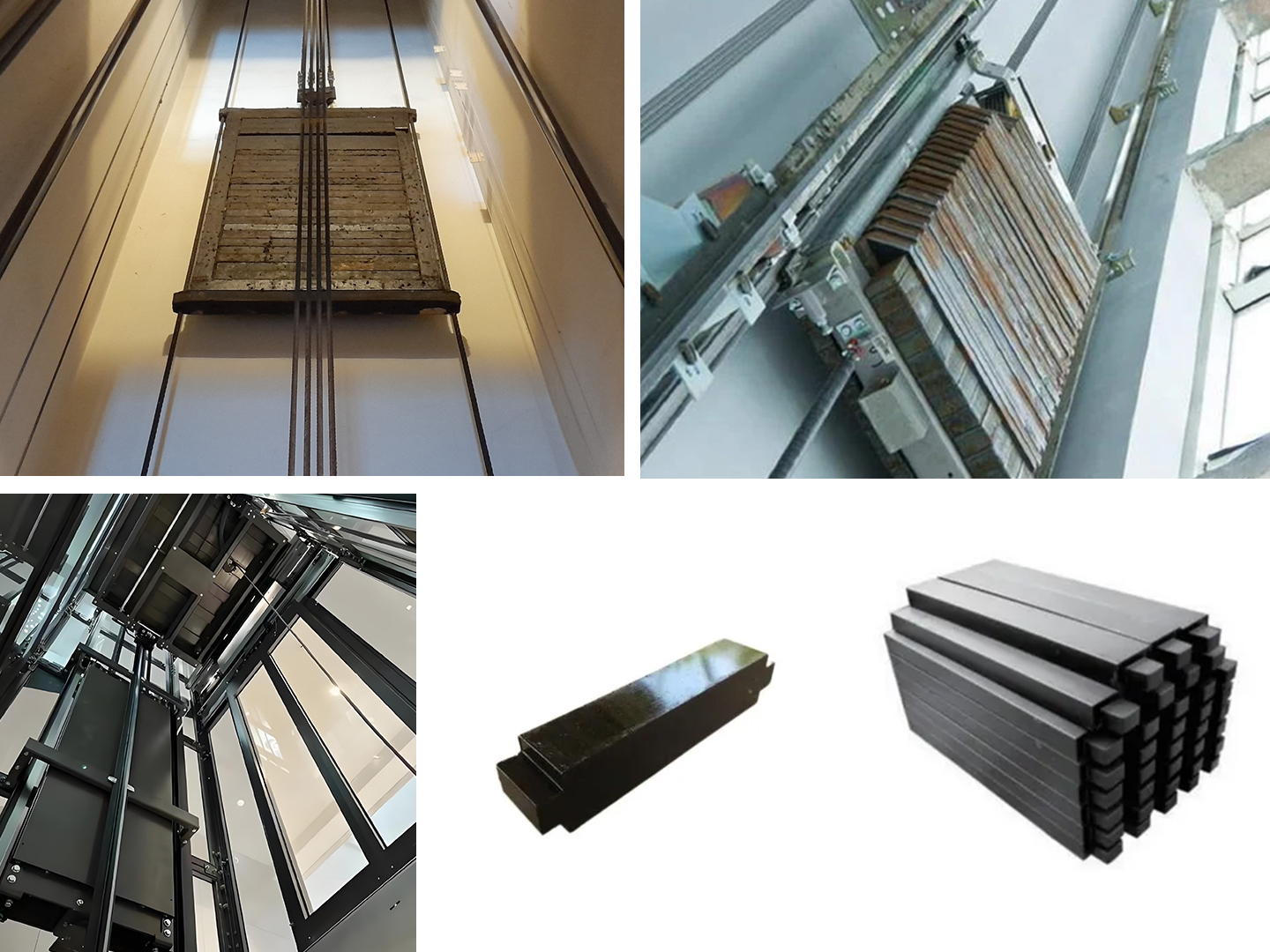
NOVA ELEVATOR integrates manufacturing and trading, with its own production and testing facilities. Our portfolio covers guide rails, elevator cars, counterweights, traction machines, door systems, control cabinet assemblies and safety components. For critical spare parts, NOVA schedules manufacturing and delivery around project milestones to cut uncertainty from intermediate links. For non-standard and discontinued parts, custom fabrication services reduce reliance on exclusive OEM channels. Supply stability is not merely a promise — it is backed by manufacturing capacity, production planning expertise and cross-border delivery experience. Amid ongoing global supply chain turbulence, sourcing from a manufacturer-rooted supplier helps buyers bring lead-time risks under control.
Related News
-
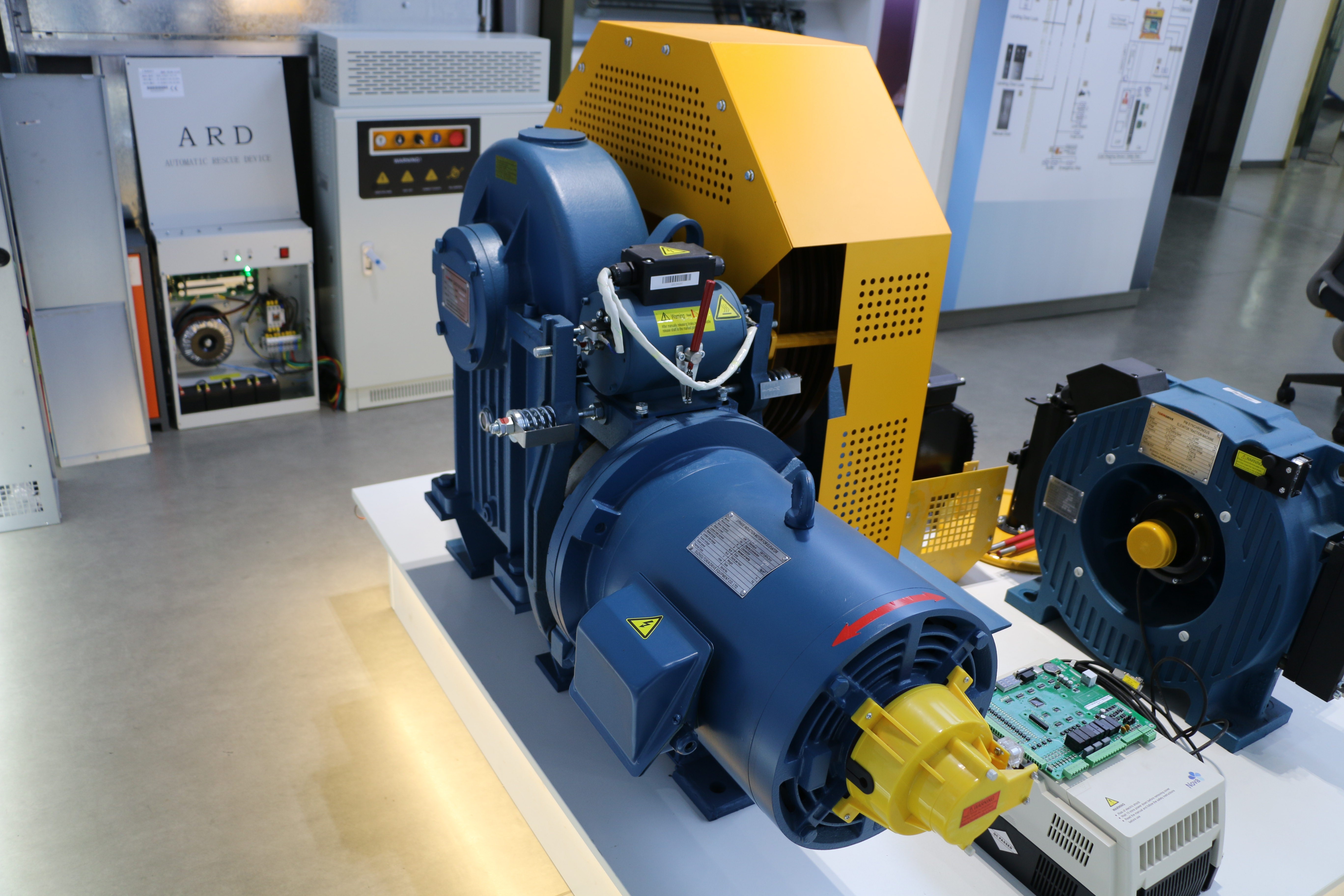 When your supplier can deliver surveying, fabrication, testing and bundled export support, legacy elevator downtime shrinks dramatically. Maintenance teams are no longer held hostage by a single unavailable component.
-
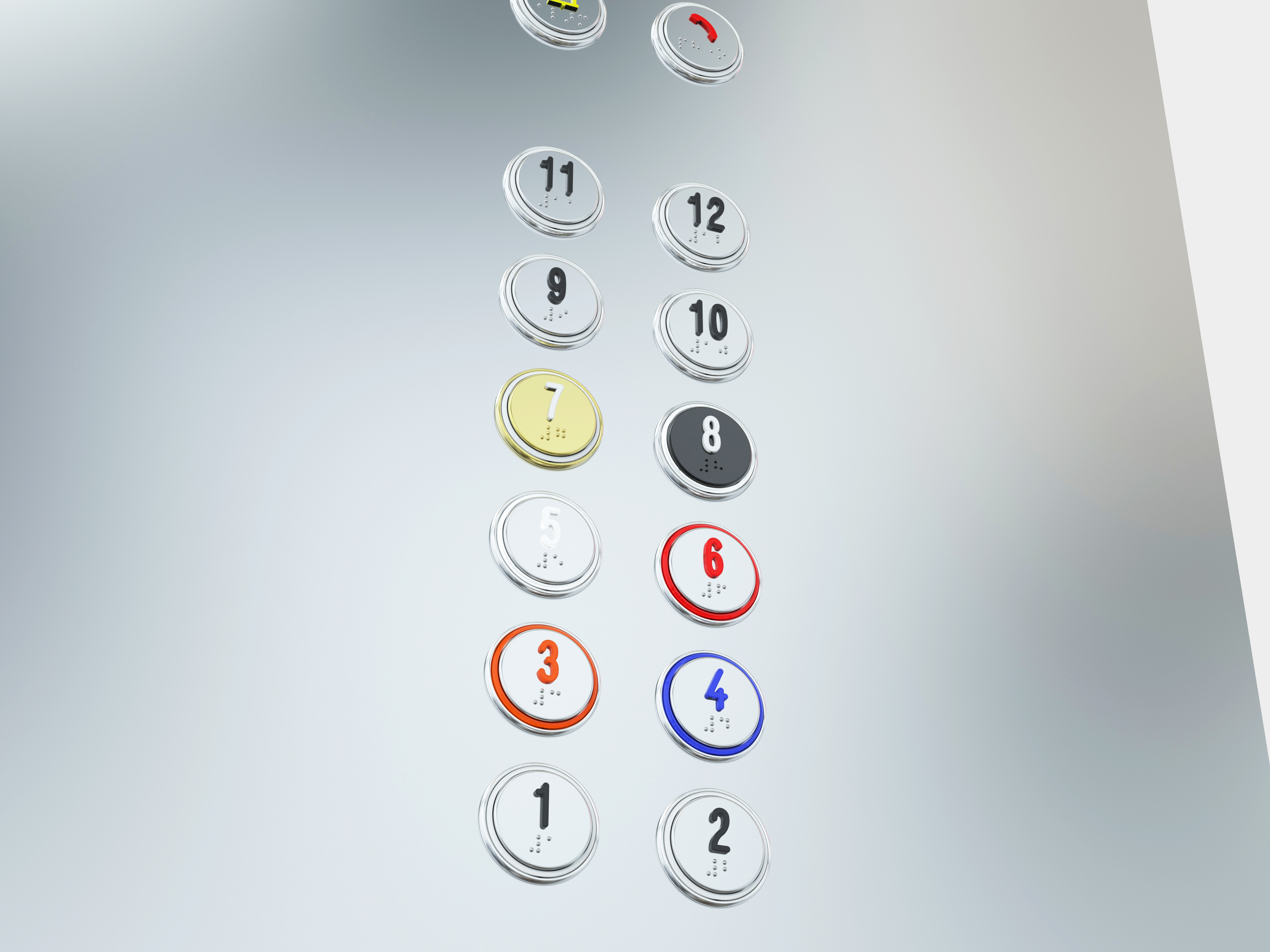 For overseas contractors and real estate operators, one-stop procurement reduces unknown risks and delivers predictable project outcomes.
-
 For overseas property teams and contractors, partnering with a trusted supplier means fewer shutdown events, lower maintenance overheads and stable building operations.


