




Unplanned elevator outages create immediate disruption for commercial buildings, hotels and high-rise residential towers: blocked passenger access, rising hotel guest complaints and declining property satisfaction scores. Often the repair itself is technically straightforward, yet progress stalls because critical spare parts carry extended lead times. Combined delays from overseas production, ocean freight, customs clearance and inland delivery frequently leave buyers waiting for weeks or longer. For elevator contractors, risk management within long spare-part cycles and minimising shutdown windows is central to sustaining client satisfaction.
Root Causes Behind Extended Spare-Part Lead Times
First, many established OEMs phase out spare-part support for older elevator models, producing replacements only on demand with inherently long production cycles. Second, cross-border supply chains contain many sequential touchpoints: china manufacturing, sea freight, destination customs and last-mile delivery. Delay at any single node lengthens total waiting time. Additionally, niche low-volume components receive low production priority from suppliers, further stretching lead times.
Hidden Costs of Passively Waiting For Spares
Elevator downtime is more than passenger inconvenience. Prolonged outages hurt customer experience in office towers and hotels and increase pressure from property owners. Maintenance technicians need repeated site visits for inspection and stakeholder communication, consuming labour resources. Extended shutdowns may also trigger regulatory enquiries from local safety authorities and add compliance exposure.
Tiered Inventory Strategy: Separate Fast-Moving & Niche Components
Manage spare parts in three tiers:
High-frequency consumables such as light curtains, push buttons and contactors: maintain local safety stock for instant replacement after faults.
Mid-cycle assemblies including door boards and VFD drives: lock fixed production priority with suppliers to shorten response windows.
Unique legacy components for obsolete models: bulk stocking is uneconomical. Record asset data in equipment files and reserve supplier production capacity in advance for fast-track manufacturing once a failure occurs.
Emergency Mitigation To Avoid Full Building Shutdown
Some failures do not require complete elevator shutdown. Subject to local safety codes, controlled temporary operation, alternating outage schedules across multiple lifts or interim retrofit arrangements can reduce disruption to building operations. Temporary workarounds always require formal engineering assessment and must never compromise safety.
Long-Term Partnerships Lock Capacity and Shorten Response Chains
Shorter downtime ultimately depends on receiving correct components exactly when needed. Traders without in-house manufacturing cannot control production schedules. Vendors limited to standard parts cannot offer alternatives for legacy equipment. Suppliers lacking export know-how struggle with urgent freight and customs procedures.
NOVA ELEVATOR owns production and testing facilities and schedules manufacturing around project requirements. Our portfolio covers door systems, control cabinet assemblies, traction spares and safety parts, eliminating conflicting lead times across multiple vendors. Custom fabrication for non-standard and discontinued components bypasses slow OEM supply pipelines. Downtime is not decided purely by repair speed — it is determined by the responsiveness of your spare parts supply chain. Working with a manufacturer-backed supplier with proven cross-border delivery expertise keeps outage durations as short as possible during breakdown events.
Related News
-
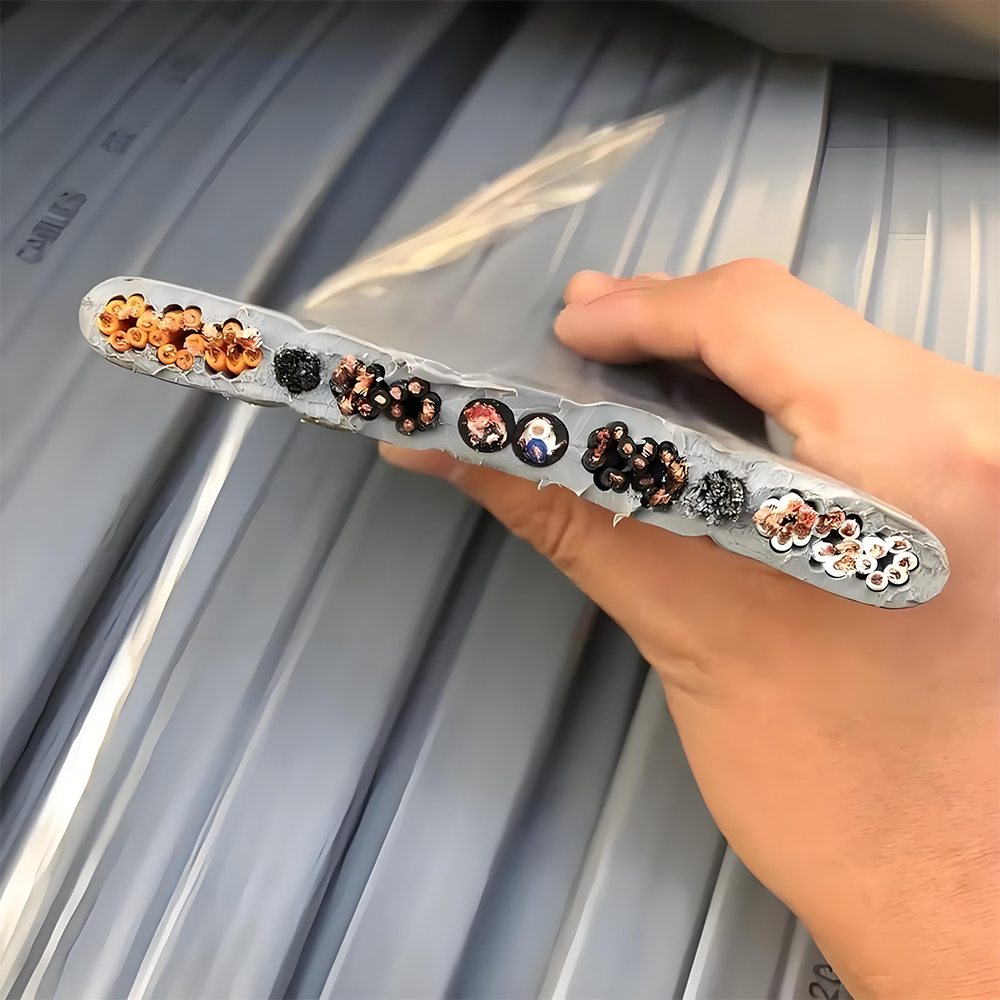 Compatibility should not be gambled on at the installation site; it is a risk resolved upfront through the supplier’s technical competence.
-
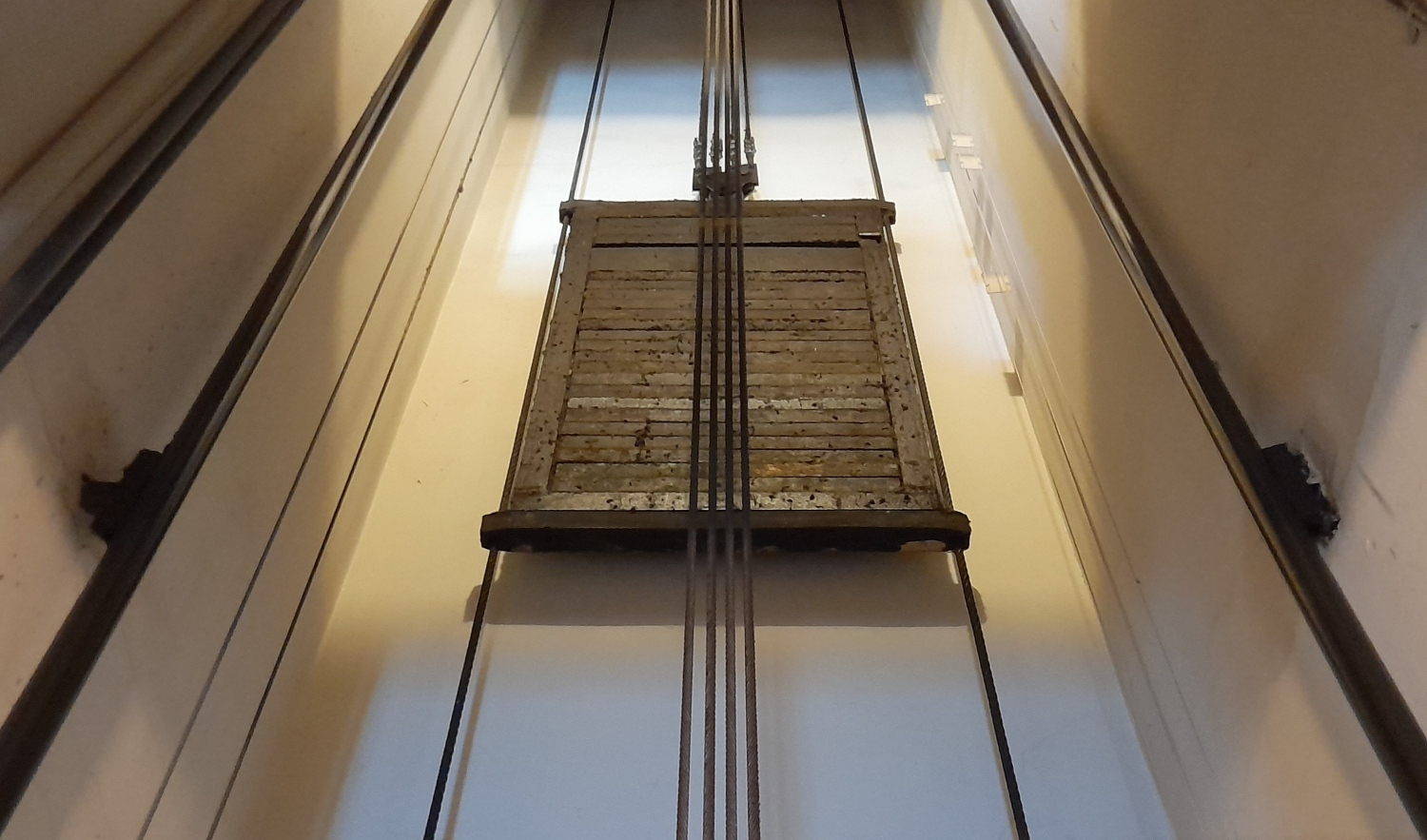 NOVA ELEVATOR specialises in elevator component manufacturing and export, holding ISO9001 and CE certification. We supply safety-component approvals and test reports, alongside compliant export documentation and packaging to help importers mitigate risks before goods leave the factory.
-
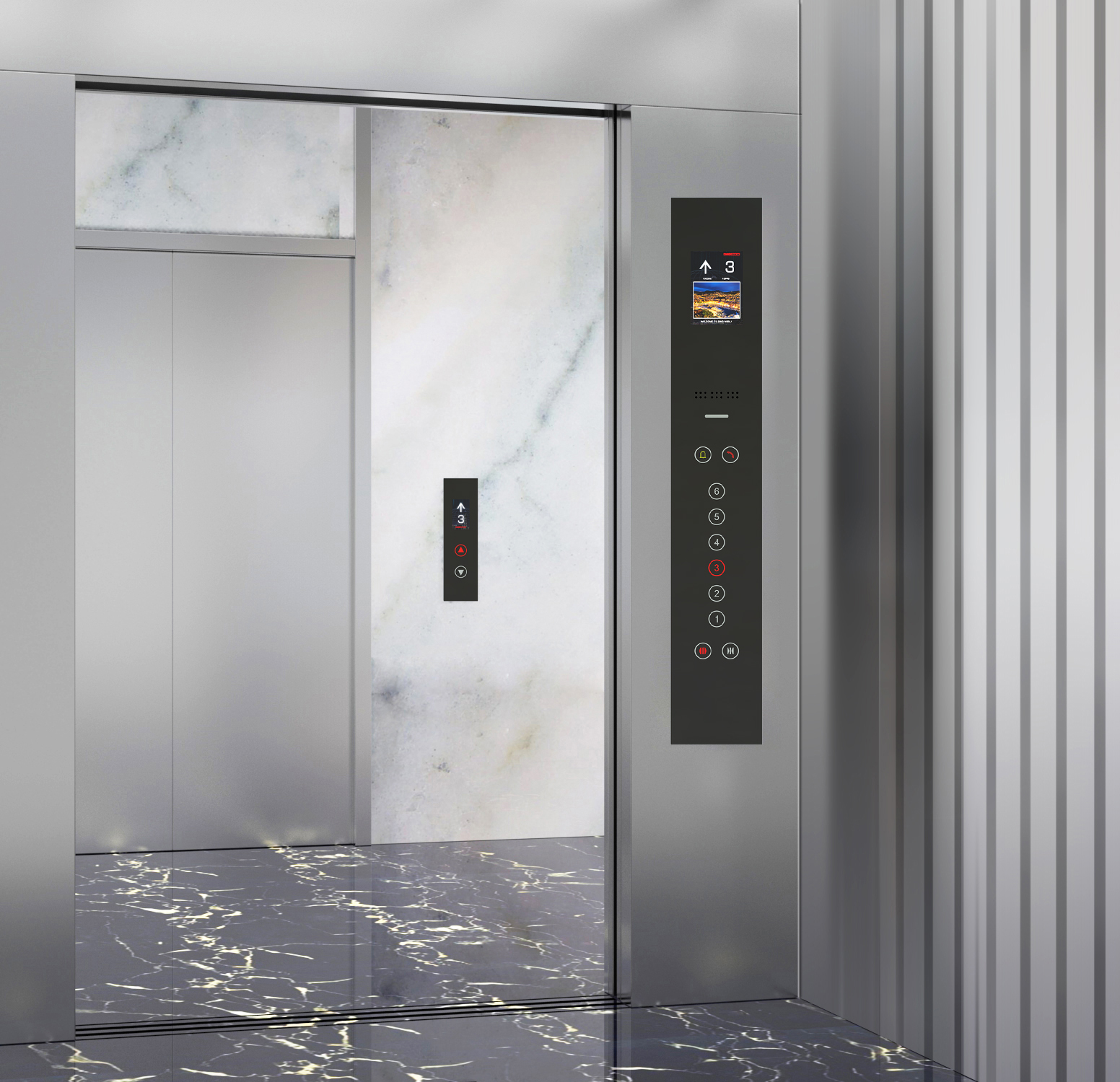 Amid ongoing global supply chain turbulence, sourcing from a manufacturer-rooted supplier helps buyers bring lead-time risks under control.


