




EN81 is a globally recognised baseline elevator safety standard and a core requirement for market access and periodic inspections across Europe and many Southeast Asian territories. Many buyers chase short-term cost savings by selecting replacement parts without EN81 testing or valid compliance reports. While procurement expenditure appears lower, serious long-term safety hazards are introduced. If accidents follow, property owners, maintenance firms and component suppliers along the liability chain face severe regulatory penalties. Elevators are special equipment; safety allows no compromise, and component compliance forms the first line of defence.
Specific Risks From Non-EN81 Compliant Replacement Parts
Missing Protection Logic and Failed Safety Devices
EN81 defines strict trigger thresholds and fault-protection mechanisms for core assemblies including overspeed governors, safety gears, buffers, landing locks and control safety circuits. Non-compliant parts often simplify protection circuitry and fail to activate emergency stops or locking mechanisms under fault conditions. Examples include poor door-lock contact performance and overloaded protection thresholds, which can lead to dangerous incidents such as car movement with open doors, overtravel and buffer strikes, directly endangering passengers.
Failure To Pass Local Annual Inspections and Regulatory Audits
Many authorities verify certificates and test reports of critical spare parts during periodic elevator audits to confirm EN81 alignment. Where installed replacement parts lack valid compliance documentation, inspections automatically fail and the elevator is ordered out of service for rectification. Rectification requires sourcing compliant replacements while covering shutdown losses and potential fines. Total costs far exceed the original savings from cheap non-certified parts.
High Accident Liability Risk and Damaged Commercial Reputation
If entrapment or injury incidents trace back to non-conforming components, maintenance contractors and building owners become primary investigation targets. Purchase records and invoices documenting the decision to buy low-cost uncertified parts serve as liability evidence. Beyond heavy compensation and administrative sanctions, elevator contractors may suffer irreversible reputational damage in local markets and lose access to future property and real estate projects.
Poor Component Durability and Recurring Failures
Parts not built to EN81 standards use inferior raw materials, simplified manufacturing processes and less stringent ageing test protocols. They have shorter service life and tend to overheat, develop signal drift or suffer insulation breakdown. Temporary fixes lead to repeated breakdown cycles and heavier maintenance workloads.
Why Replicas Rarely Meet EN81 Requirements
Replicas fail EN81 compliance not because they look similar, but because they cannot duplicate original material, process and testing regimes. Take hydraulic control valves as an example: OEM versions use specialised alloy valve bodies engineered for high pressure, with heat treatment to reduce friction, wear and jamming. Raw material batches, springs and seals are individually validated, and every valve undergoes functional testing at 100 bar before dispatch. These design and manufacturing refinements are built on decades of accumulated know-how, which knock-off products cannot match for safety and reliability.
EN81 compliance demands reliable performance under defined pressure, temperature, flow and lifecycle conditions, not merely basic movement. Components without type testing and certification cannot prove they satisfy these criteria.
Compliant Sourcing To Uphold Safety Boundaries
When ordering elevator replacement parts, actively request complete EN81 test reports, declarations of conformity and permanent nameplate marking, and cross-check certificate scope against the supplied component. For cross-border retrofit jobs, prefer partners delivering integrated packages of solutions, parts and certification paperwork. The supplier should pre-review all documentation against local codes to ensure every fitted component meets standards. This protects passenger safety while shielding contractors and property operators from regulatory and legal exposure, enabling safe, compliant operation.
NOVA ELEVATOR holds ISO9001 and CE certification, with products aligned with relevant international elevator safety and electrical standards. We supply certification packs and test reports for safety-critical components. EN81 compliance is not just a certificate — it represents full-chain capability spanning design, manufacturing, testing and documentation. Specifying a certified supplier for safety components is the most direct and effective safeguard for building safety.
Related News
-
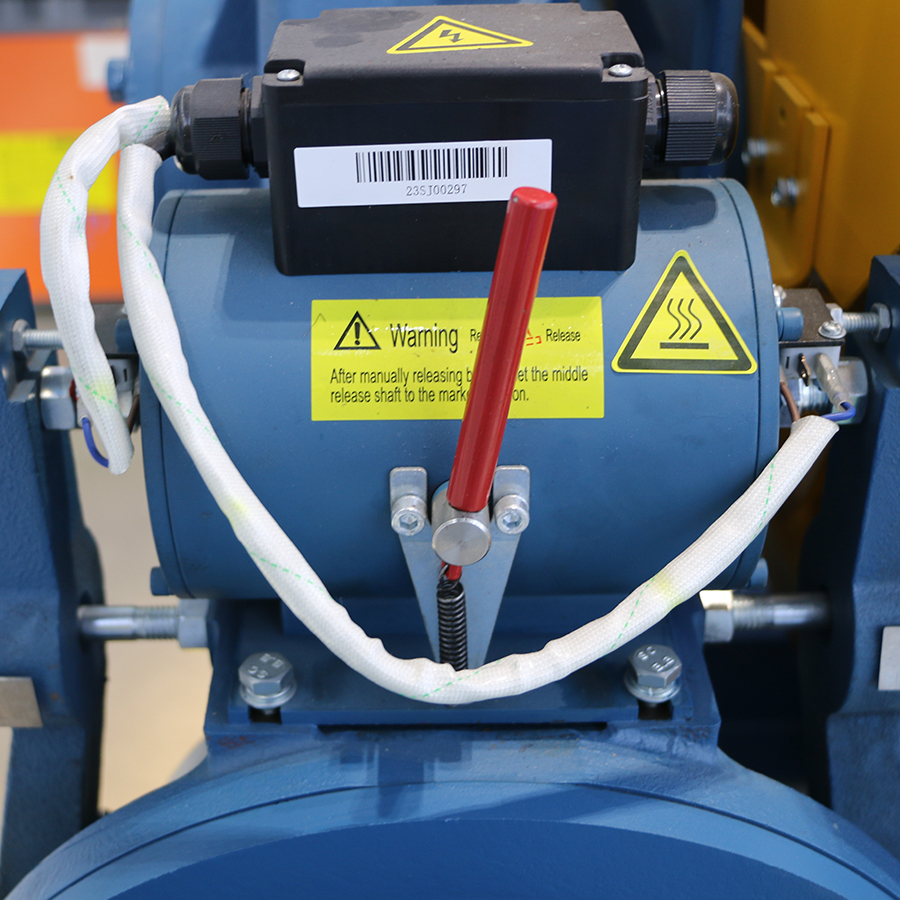 Working with a manufacturer-backed supplier with proven cross-border delivery expertise keeps outage durations as short as possible during breakdown events.
-
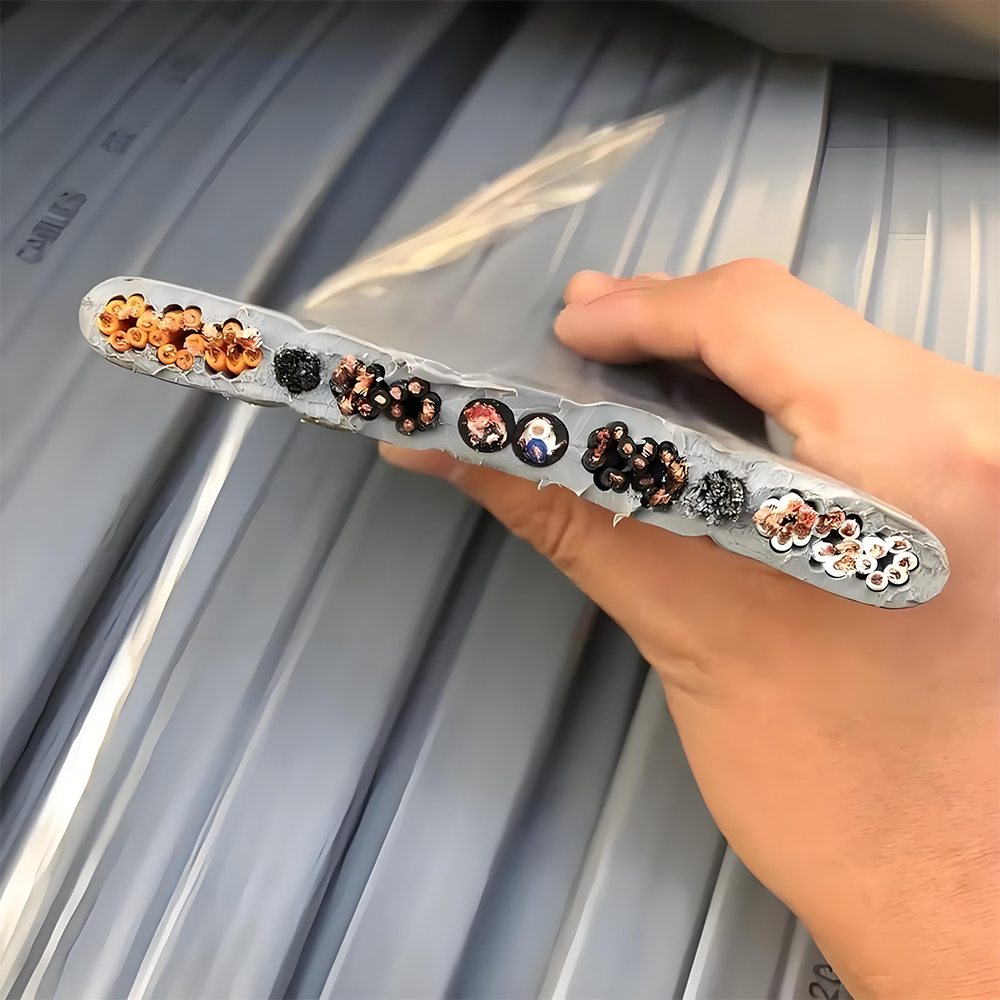 Compatibility should not be gambled on at the installation site; it is a risk resolved upfront through the supplier’s technical competence.
-
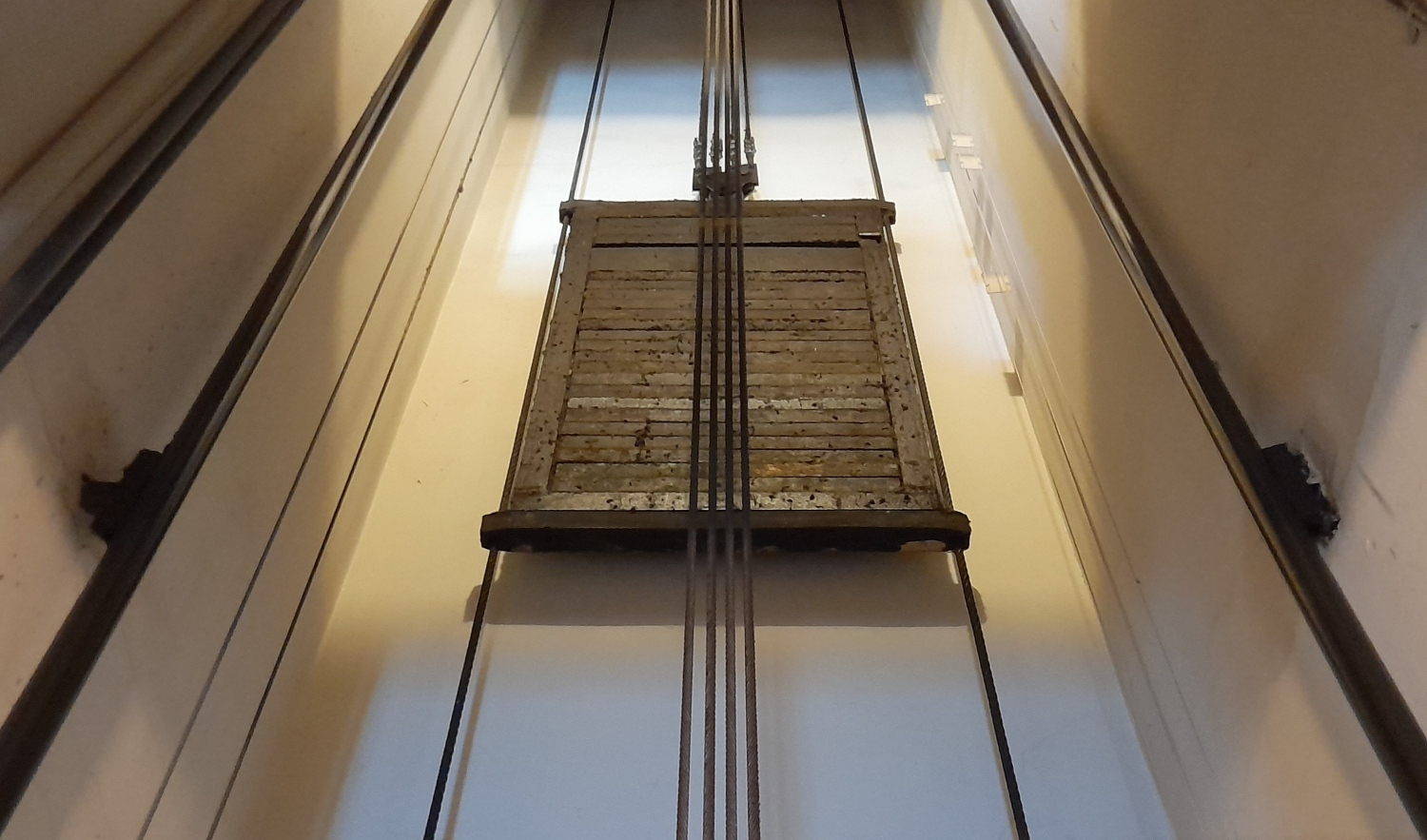 NOVA ELEVATOR specialises in elevator component manufacturing and export, holding ISO9001 and CE certification. We supply safety-component approvals and test reports, alongside compliant export documentation and packaging to help importers mitigate risks before goods leave the factory.


