




Recurring breakdowns are one of the most frustrating operational headaches for property managers and elevator contractors. In many cases, technicians repair faults and replace parts to restore normal operation temporarily, yet identical failures resurface soon after. Repeated site visits drain labour resources, degrade vertical transport experience for building users and frequently lead to complaints from owners and tenants. A large share of these cyclic faults originates from low-grade replacement parts deployed in earlier maintenance works. To break the “fail-replace-fail again” cycle, you need systematic diagnostic logic to identify failure signatures linked to substandard components.
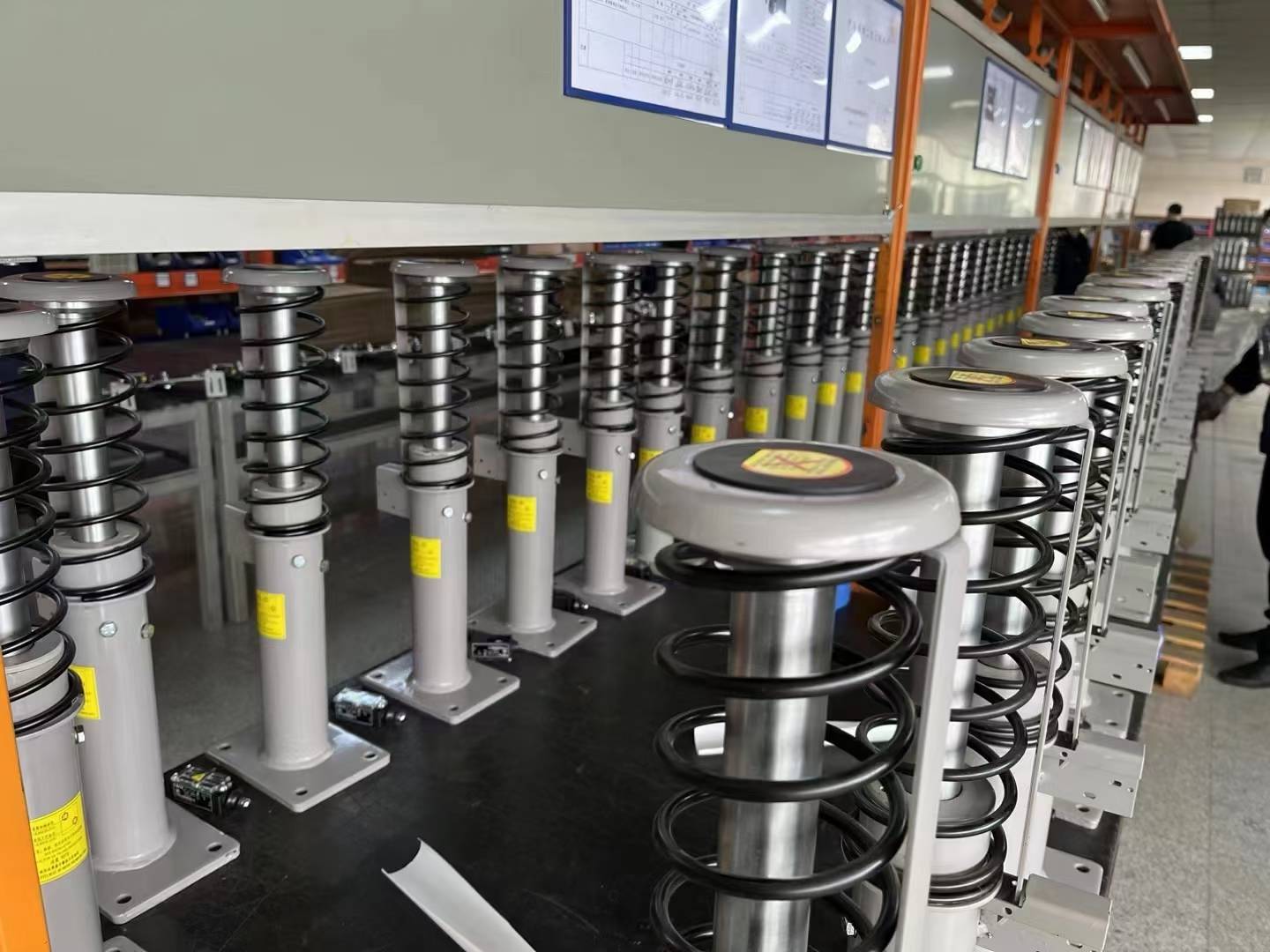
Common Failure Patterns of Low-Grade Components
Low-grade parts are built with compromised raw materials, simplified manufacturing and lax testing standards, leading to predictable failure behaviours. Electrical assemblies such as mainboards, drive boards and contactors often produce unstable signals and intermittent error codes; faults appear randomly and are hard to pinpoint in one inspection. Moving parts including door operators, guide shoes and rollers wear far faster than OEM equivalents, creating excessive noise and jerky door movement. Safety-critical parts suffer poor contact performance and drifting protection thresholds, occasionally triggering unplanned stops and passenger entrapment. Since these faults occur intermittently without fixed triggers, they commonly mislead maintenance teams into suspecting wiring faults or incorrect commissioning.
Step One: Verify Component Specifications and Test Standards When Facing Recurring Faults
When repeat failures emerge, first cross-check the model, specification and applicable standard of the newly fitted component to confirm alignment with the original system design. Many low-grade generic parts look identical externally, yet feature downgraded component parameters, insulation classes and temperature resistance. They may enable basic elevator operation but cannot withstand the cyclic load from frequent starts and stops over the long run. Retrieve fault codes and log failure frequency and operating conditions to distinguish between ageing wiring, commissioning errors and inherent component underperformance.
Differentiate Commissioning Issues From Intrinsic Quality Defects
Identical fault symptoms stem from two root causes. The first category comes from poor installation, incorrect clearance adjustment or loose wiring, where faults disappear permanently once rectified. The second category arises from insufficient performance limits built into the component: no amount of re-commissioning can prevent failure under sustained load, high temperature and frequent cycling. If faults recur after multiple rounds of readjustment, the component quality is almost certainly inadequate. Continuing to fit parts of the same low grade will only waste ongoing maintenance resources.
Long-Term Risk: Repeated Failures Cause Secondary Damage to Original Equipment
Many contractors overlook this key risk: continuous abnormal operation of inferior components inflicts knock-on damage across the whole elevator system. Unstable voltage signals disrupt control mainboards; abnormal loading accelerates traction machine bearing wear; arcing from defective door locks introduces fire hazards. A single faulty component can escalate into cascading damage across multiple assemblies, multiplying repair costs.
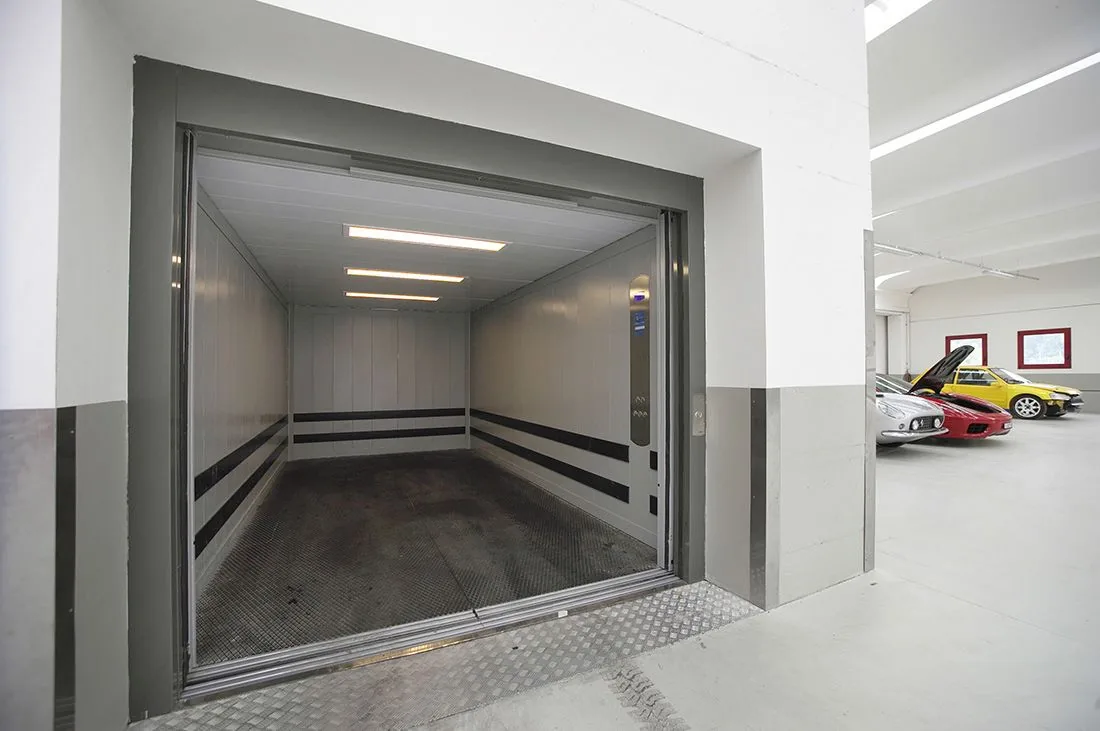
Establish Component Quality Control to Eliminate Recurring Failures
To avoid this issue, your maintenance protocols should define clear part admission criteria, prioritising components that meet relevant safety standards and have undergone operational endurance testing. For legacy elevator maintenance and modernisation jobs, assess component quality tiers upfront and reject price-only sourcing decisions.
Having supported numerous overseas elevator projects, NOVA has witnessed countless recurring failures traced back to low-grade spare parts. Our team supports contractors with root-cause fault investigation, supplies high-quality matched replacement parts compliant with safety codes and provides accompanying technical guidance to resolve intermittent faults once and for all, cutting repeated maintenance expenditure and returning elevators to stable service.
Related News
-
 Rising procurement costs are an industry reality, yet extra burdens created by poor sourcing can be controlled with smarter strategy and capable supply partners.
-
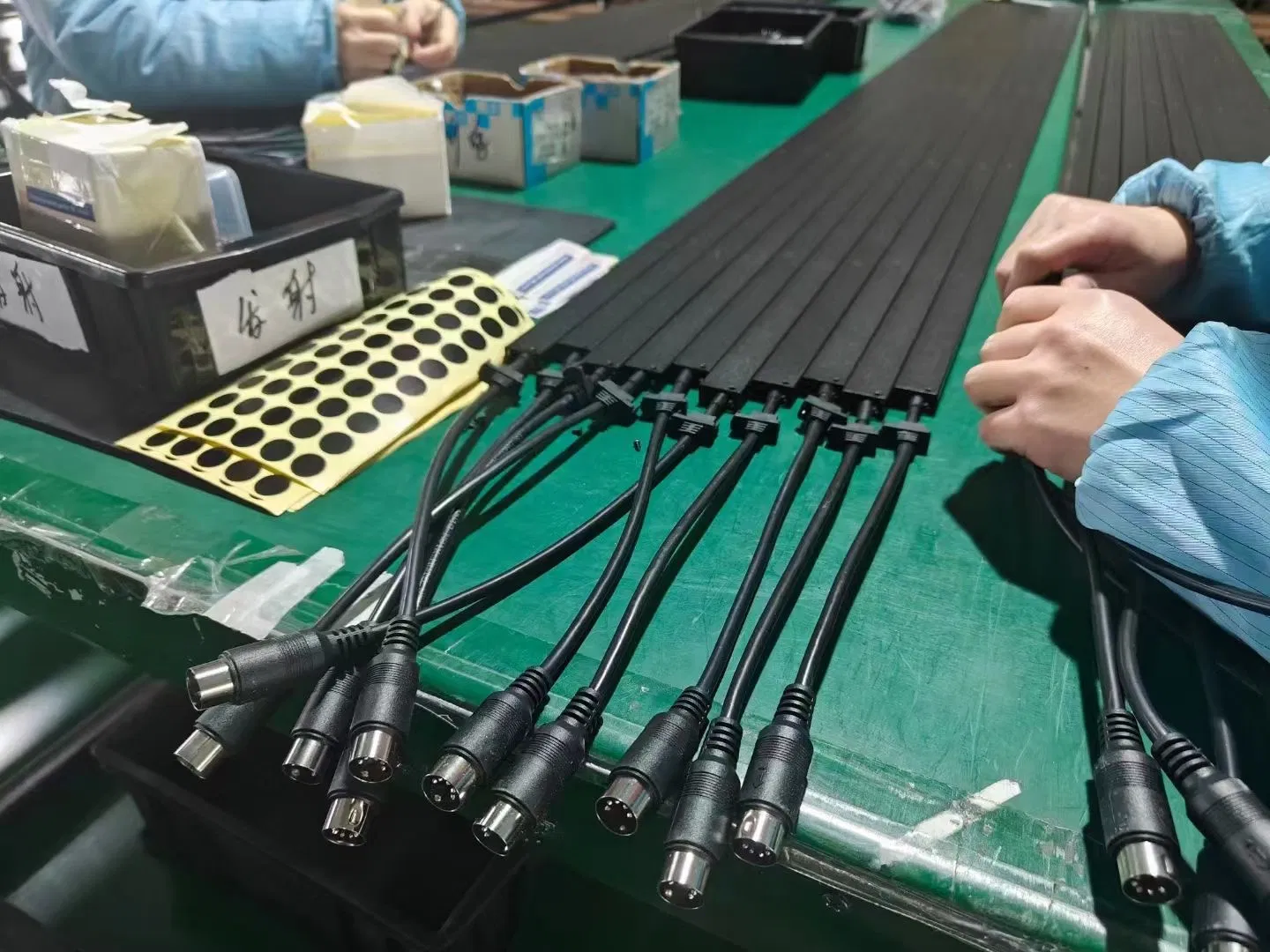 Specifying a certified supplier for safety components is the most direct and effective safeguard for building safety.
-
 Working with a manufacturer-backed supplier with proven cross-border delivery expertise keeps outage durations as short as possible during breakdown events.


