




Freight charges are merely the tip of the iceberg. Many buyers compare quotations only by unit product price and basic ocean freight, assuming duty is the final expense. Yet after cargo arrives at destination ports, a long list of unexpected charges frequently appears: destination unpacking fees, terminal handling, container detention, document administration, inspection attendance surcharges and inland transport add-ons. Worse still, these items are often bundled under “all-in clearance packages”, with no transparent breakdown shared before payment. For overseas property managers, elevator contractors and service providers, out-of-control logistics spending is not an occasional mishap, but a recurring systemic risk in cross-border sourcing.
Where hidden logistics costs emerge
Hidden charges for elevator component shipments mostly fall into five categories:
Destination port surcharges. Terminal Handling Charges (THC), container handover fees and port security levies vary widely between carriers and terminals, often excluded from initial quotations.
Demurrage and overstay storage fees. Delays from incomplete documentation or unprepared construction sites trigger daily detention charges once free storage windows expire.
Documentation and inspection extras. Customs clearance involves form preparation, system entry and attendance for official sampling; complex technical file collation can add up to 30% to baseline brokerage fees.
Inland transport surcharges. Fuel adjustment levies and special-vehicle premiums are highly volatile alongside fuel market swings.
Cumulative duty calculation. Dutiable value incorporates goods value, freight and insurance. Higher freight pushes up the tax base and creates compound cost pressure.
How hidden costs erode project margins
The financial impact runs deeper than spreadsheet figures. Over 60% of property management firms report unexpected logistics surcharges on cross-border consignments, and some equipment contractors have recorded direct project losses due to miscalculated duty bases. A typical scenario: an imported traction motor arrives, delayed pickup after late broker notification generates thousands in combined detention and storage fees, with zero budget provision. For retrofit and spare-part projects operating on thin margins, a few percentage points of unplanned expense can wipe out the entire profit margin. Critically, these costs are only revealed once goods are afloat or landed, removing the buyer’s room for negotiation or adjustment.
Turning logistics from a black box into a controllable variable
Mitigation starts by bringing these costs into procurement decision-making:
Require fully itemised quotations. Reject opaque bundled pricing and demand separate line items for freight, duty, port charges, brokerage and inland haulage.
Clarify risk boundaries via Incoterms. FOB and DDP allocate responsibility very differently; select terms aligned with your in-house logistics capability to avoid paying for unfamiliar stages.
Pre-lodge declarations and adopt digital workflows. Pre-clear cargo before vessel arrival to cut port residence time and amendment fees.
Standardise packaging and marking. Elevator parts vary widely in shape and size; consistent labelling reduces repeated sorting, unpacking and handling overheads.
Partner with suppliers experienced in elevator export. Knowledgeable vendors anticipate packaging rules, documentary requirements and common port pitfalls to reduce friction upstream.
NOVA ELEVATOR has long specialised in elevator component manufacturing and export, with hands-on experience of packaging, documentation and port-side cost risks for cross-border jobs. We tailor packaging plans and export paperwork according to destination country and component characteristics, minimising extra charges and delays caused by mismatched files or inadequate protection. Logistics cost control is rarely achieved through last-minute haggling; most of the outcome is locked in during supplier selection, Incoterm negotiation and document preparation.
Controllable logistics = controllable project profit
Competitiveness in cross-border elevator sourcing depends not only on product unit price, but landed total cost. No matter how attractive the commodity price appears upfront, detention fees, document surcharges and inflated duty bases can quickly consume savings. Full transparency over every logistics line item, paired with an export-seasoned supplier to reduce friction costs, delivers predictable budgets for global procurement.
Related News
-
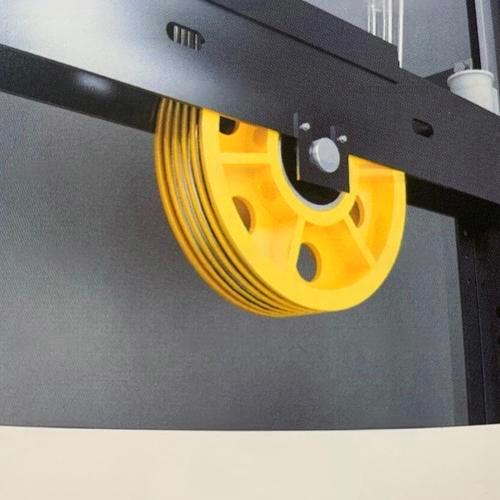 Technical documentation is not an accessory to spare parts; it is essential for commissioning, acceptance and long-term maintenance. For cross-border elevator spare-part procurement, select suppliers with formal documentation workflows, export experience and live technical support to avoid the awkward scenario: parts delivered, project halted.News
-
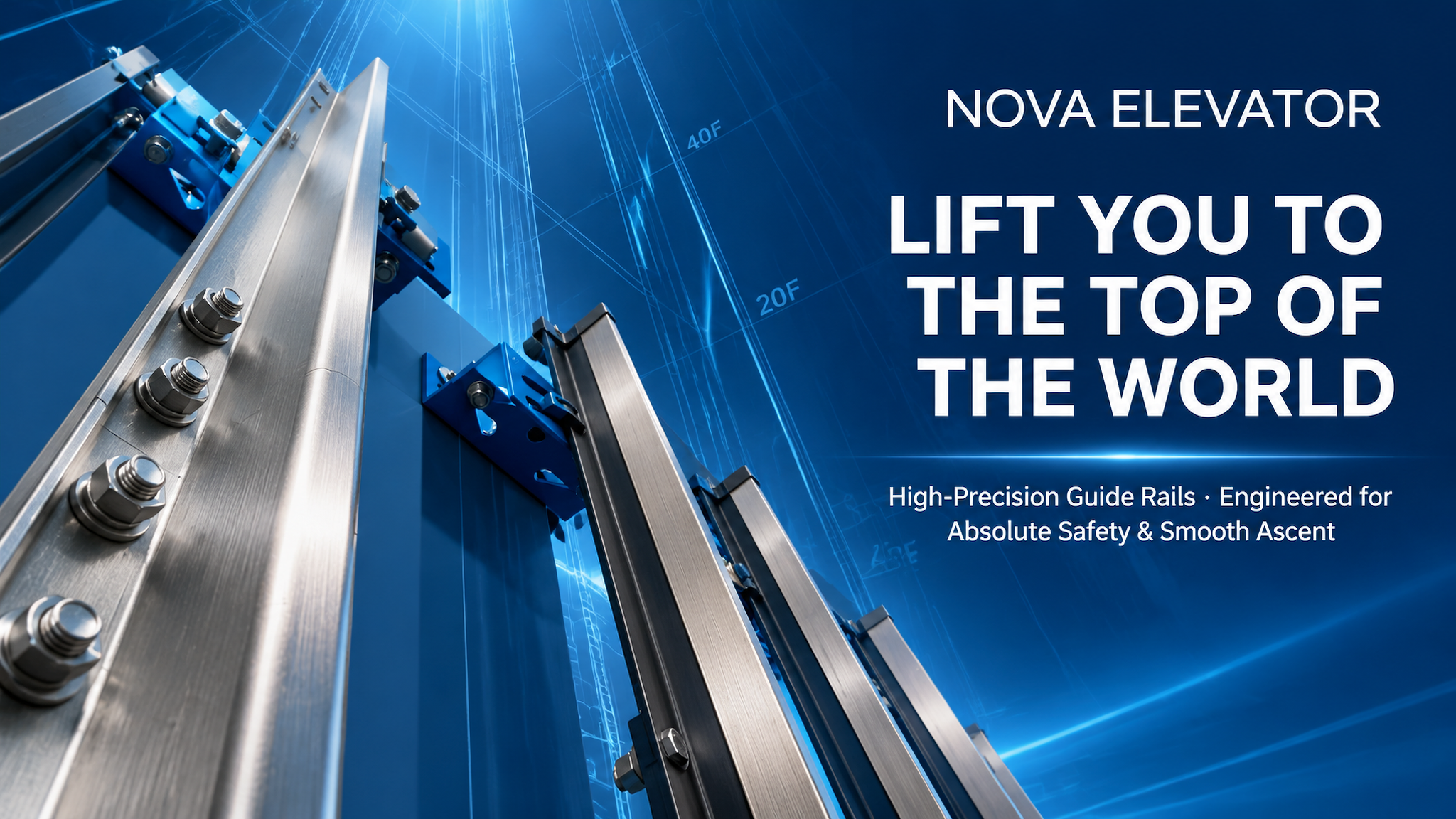 Conclusion Elevator guide rails may be hidden from view, but they are fundamental to every safe, smooth, and quiet ride. From T-type profiles and precision machining to fishplates, clips, and brackets, every element of the rail system contributes to performance and safety. Understanding the types, specifications, standards, and selection criteria empowers you to specify the right components and protect your investment over the long term. As a trusted elevator parts and total-solution supplier with over 20 years of experience, NOVA provides high-quality elevator guide rails and a full range of matching components — supported by technical guidance, one-stop sourcing, and long-term after-sales service. If you are planning a new installation, a modernization, or a parts procurement program, our engineering team is ready to help you specify the right solution.News
-
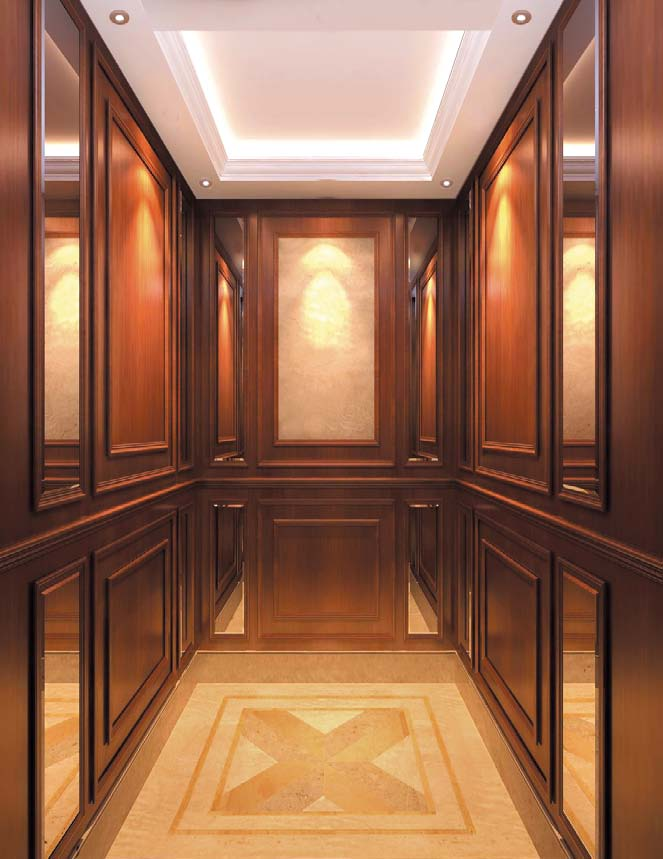 A supplier with in-house manufacturing, dedicated technical teams and formal emergency workflows minimises elevator downtime when failures strike.News


