




Many overseas elevator contractors and spare-part distributors focus only on price and lead time during cross-border sourcing and underestimate the value of accompanying technical documentation. Parts arrive, yet wiring diagrams, parameter manuals, commissioning guides, fault code definitions and compliance certificates are missing. This problem is especially severe for sophisticated assemblies such as control boards, inverters and door controllers. Without technical references, site technicians cannot complete configuration and tuning; missing compliance files block regulatory acceptance. Purchased parts become unusable, and procurement value collapses.
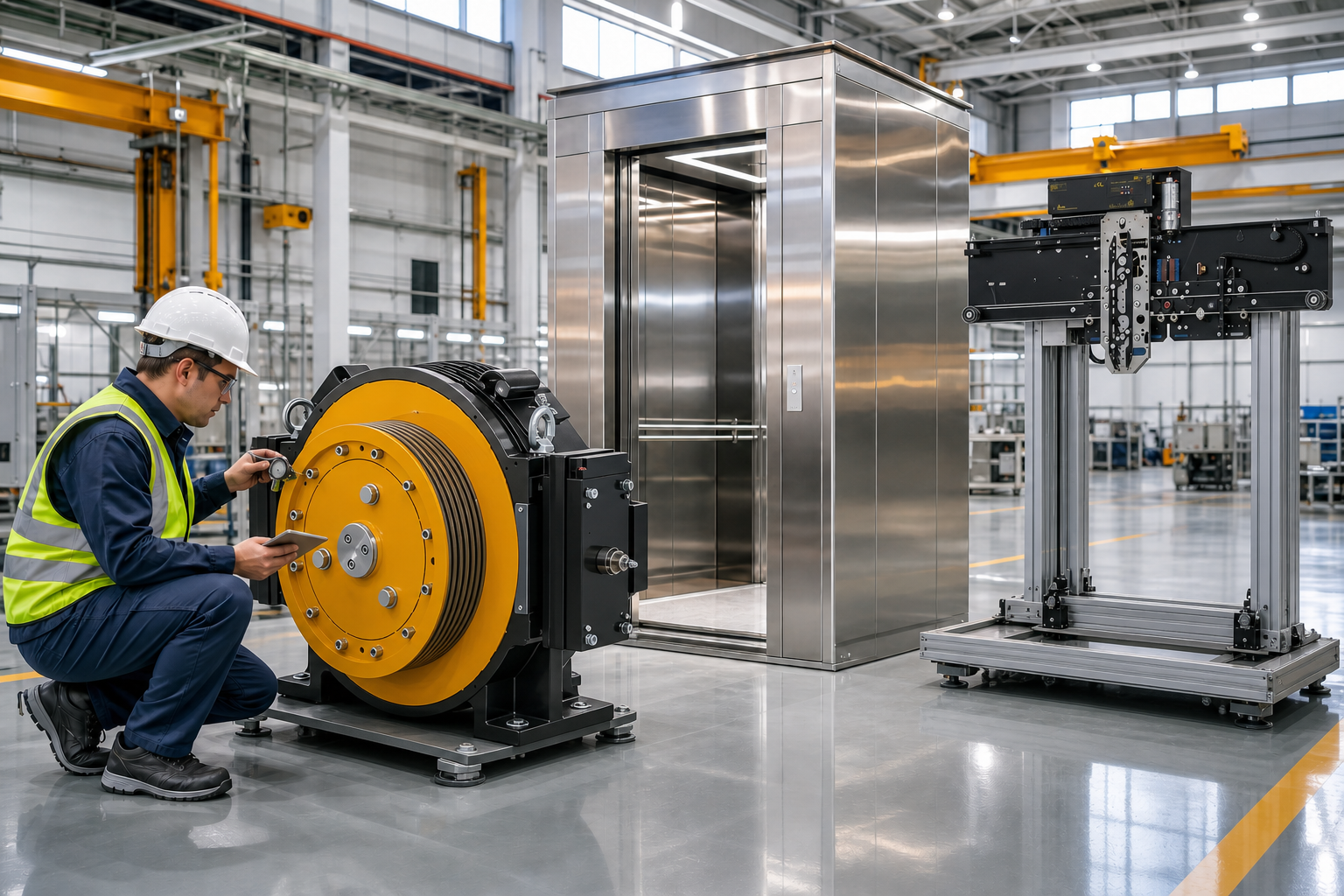
1. Two major risks from missing technical documentation
First, on-site commissioning stalls. Unlike simple mechanical wear parts, electronic replacements require communication parameter matching and protection threshold setup against the native elevator system. Without official guidance, technicians rely on trial-and-error testing, extending commissioning cycles. Incorrect parameter settings can trigger false safety trips and create hazards. Second, acceptance fails. Annual inspections and retrofit approvals in many countries mandate test reports, declarations of conformity and nameplate specifications. Incomplete paperwork directly results in inspection rejection.
2. Why many vendors fail to supply complete technical packs
Some small manufacturers lack standardised documentation systems and no English manuals adapted for overseas markets. Others only conduct component OEM production without understanding full-system commissioning logic for target elevator models and can supply hardware but not application guidance. Many treat technical data as an optional add-on and do not provide it unless explicitly requested.
3. Define documentation deliverables at enquiry and order stage
Prevent this issue by listing required deliverables before placing orders: product datasheets, wiring schematics, commissioning manuals, parameter tables, fault code explanations, factory test reports and local-standard declarations of conformity. Agree document language (typically English) and make documentation delivery a mandatory order requirement, captured within correspondence and contracts.
4. Distinguish static documentation and remote technical support
Written documents form the foundation, yet complex parts often need extra assistance for unique matching scenarios. Supplier engineering teams should offer remote support to troubleshoot communication issues and guide parameter calibration. Vendors selling hardware only, without technical back-up, cannot support sophisticated maintenance or modernisation jobs.

5. Partner with a provider delivering end-to-end technical services — NOVA’s documentation capability
NOVA ELEVATOR specialises in elevator component manufacturing and export, serving Europe, Central Asia, South America and other regions, with robust technical documentation support for cross-border projects:
Product technical documents: Datasheets, material specifications, performance parameters, mounting drawings and wiring schematics.
Compliance and test documentation: ISO9001 and CE certification, test reports and factory certificates aligned with international elevator safety and electrical standards.
Custom part documentation: Survey drawings, design files and inspection records for non-standard and discontinued units.
Installation and commissioning guidance: Assembly instructions, parameter matching advice and standardised commissioning workflows for site teams.
Acceptance package support: Assist with compiling retrofit records, test reports and certificates for local regulatory review.
Full export document, packaging and logistics coordination for cross-border shipments.
Dedicated technical communication channel: Engineering support to analyse site issues and recommend resolutions.
Technical documentation is not an accessory to spare parts; it is essential for commissioning, acceptance and long-term maintenance. For cross-border elevator spare-part procurement, select suppliers with formal documentation workflows, export experience and live technical support to avoid the awkward scenario: parts delivered, project halted.
Related News
-
 A supplier with in-house manufacturing, dedicated technical teams and formal emergency workflows minimises elevator downtime when failures strike.News
-
 For overseas property managers, contractors and elevator service providers, controlled restriction on generic-part misuse is essential to extend asset life and optimise whole-life-cycle expenditure.News
-
 A partner with in-house manufacturing, customisation and full-range supply capacity keeps modernisation projects on track.News


