




Cross-border elevator spare-part procurement involves long, multi-party supply chains, making incoming quality control a major challenge. The marketplace has mixed sources, with massive gaps between manufacturers in raw material grade, workmanship and outgoing inspection standards. Parts may appear intact externally yet hide internal defects: faulty electronic elements, insufficient machining precision or substandard insulation. If defective parts are fitted without pre-screening, they trigger frequent breakdowns at best and create safety hazards at worst, bringing both financial losses and reputational damage to elevator contractors and property operators. A standardised quality verification workflow is critical to mitigate defective shipment risks.
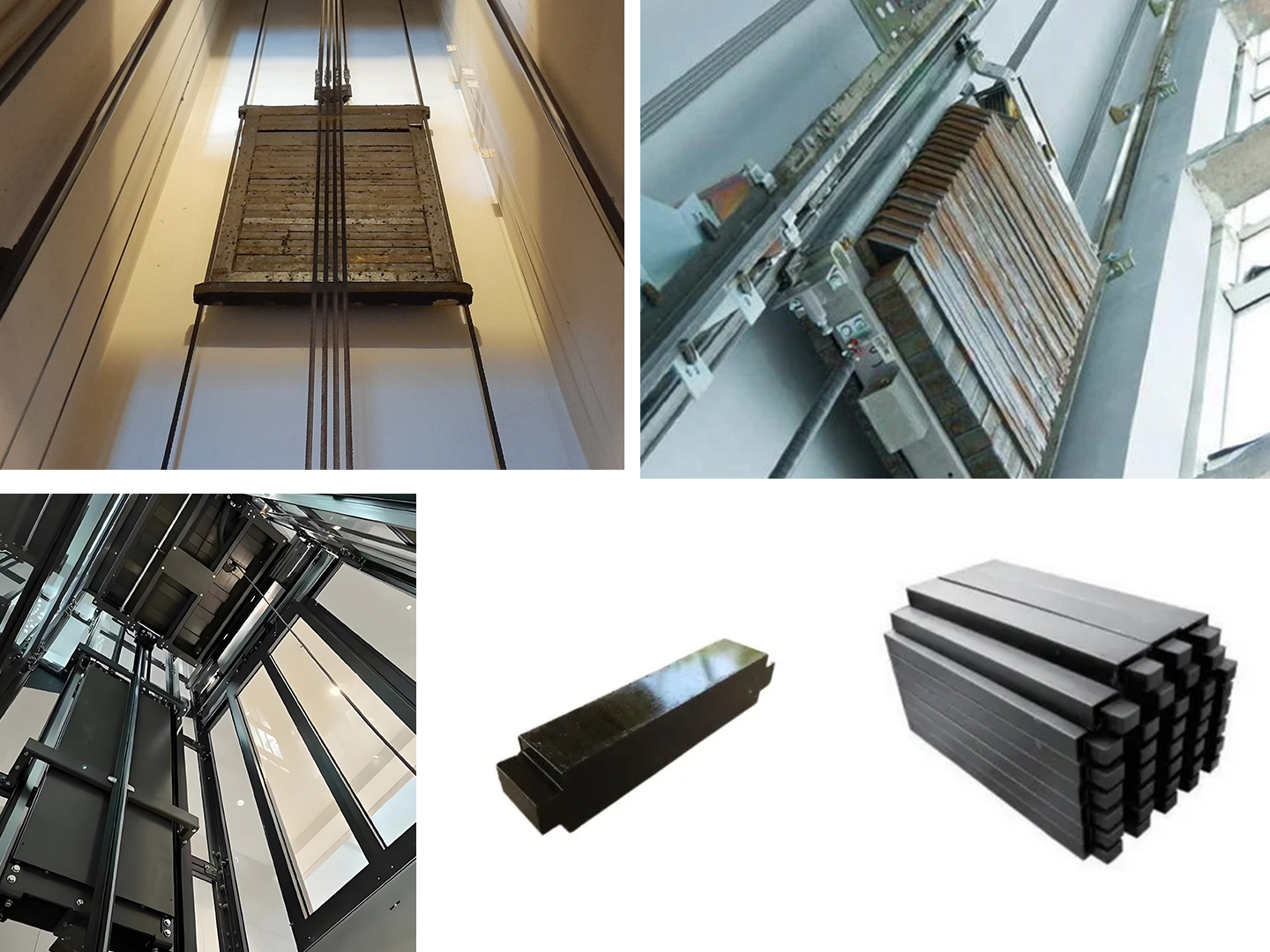
1. Defective parts represent the most hidden loss in cross-border sourcing
The biggest risk in overseas part procurement is not high pricing, but latent defects. Faulty components may pass initial visual checks and run briefly after installation before failing unexpectedly, causing downtime, rework and customer complaints. Worse still, cross-border return and replacement carries high costs and long lead times. A single defective part can delay an entire project for weeks. For overseas property managers, contractors and elevator service firms, defective spare parts are a silent liability — they stay hidden until the worst moment.
2. Common types of defective elevator spare parts
Dimensional deviation: Tolerances exceed drawing or OEM specifications, causing fitting difficulty or poor mating.
Substandard raw materials: Low-grade substitutes compromise strength, wear resistance or temperature endurance.
Process defects: Poor welding, casting, machining or surface treatment leading to premature failure.
Failed electrical performance: Non-compliant voltage, current, insulation or anti-interference performance triggers false control actions.
Assembly errors: Reversed, missing or loosely fastened internal components impair function.
Missing documentation: No factory certificates, test reports or approvals to prove compliance.
Inadequate packaging: Moisture, deformation or damage during transit renders parts unusable on arrival.
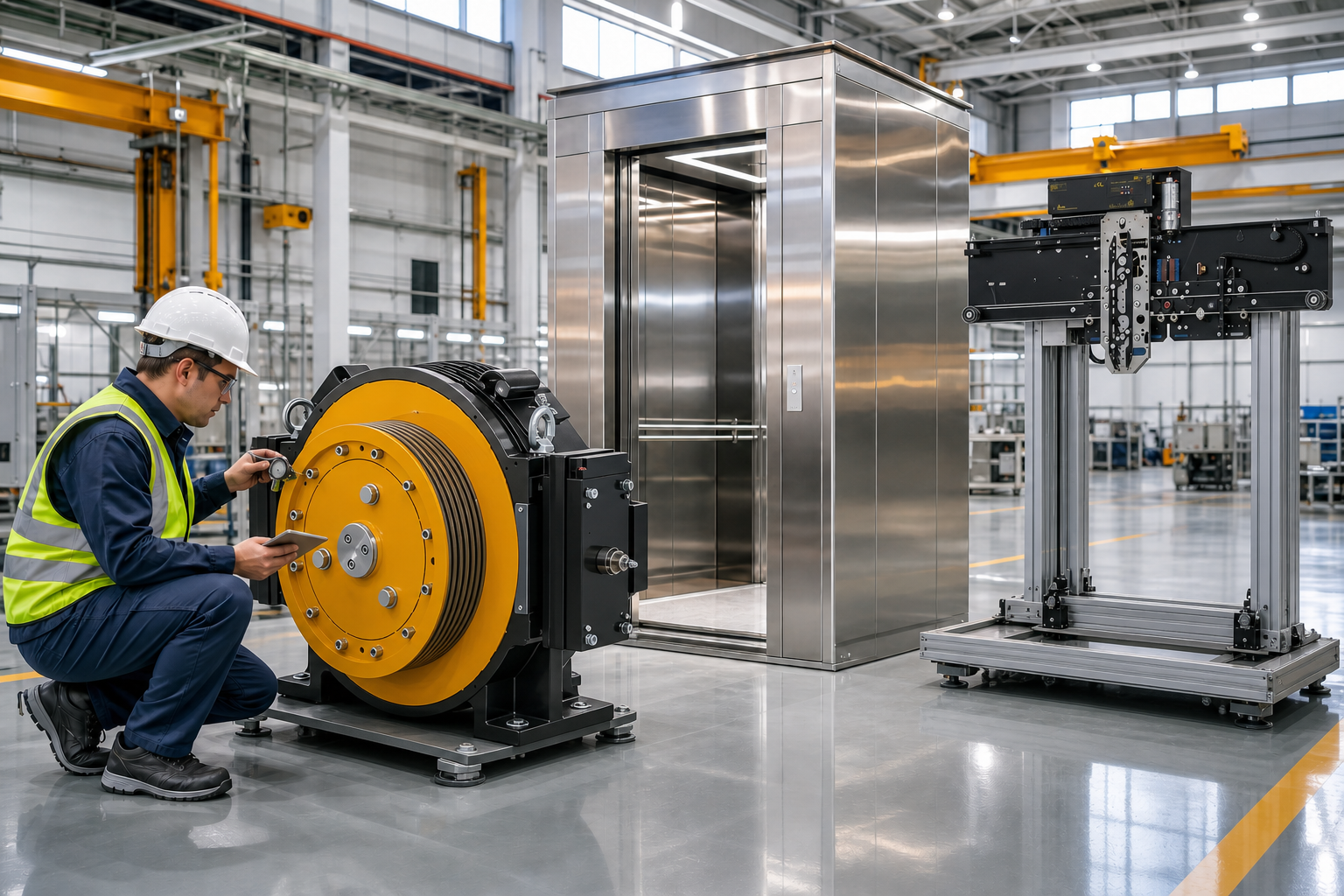
3. Practical measures to avoid receiving defective spare parts
(1) Source screening: Verify supplier QA systems and qualifications
Quality control starts before order placement. Prioritise suppliers holding production qualifications for elevator special components, independent testing laboratories and formal outgoing inspection protocols. Unqualified small workshops often skip ageing and load testing and only run simple power-on checks, leading to high defect outflow rates. Do not judge quality solely by samples, which are frequently prepared specially; stability across bulk batches matters far more.
(2) Embed quality clauses and sampling rules into purchase orders
Contracts should clearly define inspection items, acceptance criteria, quality claim windows and liability for defective returns. Require suppliers to attach factory test records with shipments, and third-party reports for safety-critical parts. For bulk orders, agree pre-shipment sampling testing so defects are identified before expensive ocean transit.
(3) Standard incoming inspection after goods arrive
Do not dispatch newly arrived parts directly to construction sites. Use a fixed checklist: verify appearance, nameplates and documentation; run power-on and signal tests for electrical assemblies; check dimensional tolerances and surface finish for mechanical parts. Carry out simulated load testing for critical safety components when necessary. Preserve photos and video evidence immediately if defects are found and lodge quality claims promptly. Early interception cuts costly site downtime.
(4) Long-term partnerships stabilise supply-side quality control
Working with an established cross-border service provider shifts quality oversight upstream. The provider centrally manages factory production, final testing and protective packaging and audits each batch.
NOVA implements rigorous outgoing quality control. All exported elevator spare parts undergo power-on, ageing and performance sampling tests before shipment. Safety components come with complete compliance reports, while export-grade moisture-proof and shock-resistant packaging reduces transit damage. Fast after-sales support is available for quality anomalies to lower project risks for overseas contractors.
Related News
-
 A partner with in-house manufacturing, customisation and full-range supply capacity keeps modernisation projects on track.
-
 For overseas property managers, contractors and elevator service providers, controlled restriction on generic-part misuse is essential to extend asset life and optimise whole-life-cycle expenditure.
-
 A supplier with in-house manufacturing, dedicated technical teams and formal emergency workflows minimises elevator downtime when failures strike.


