




Many elevator contractors chase lower quotations by purchasing from informal vendors without formal qualifications or mature QA frameworks. Although ordering seems straightforward, they often face excessive return rates. Wrong models, dimensional drift, functional failure and system incompatibility emerge repeatedly. Frequent returns burn freight budgets, stretch project timelines and halt on-site maintenance and retrofit works. For elevator service providers serving property and real estate clients, high return volumes erode trust and harm long-term partnerships.

1. Root causes behind high return rates
Weak supplier technical capability: Vendors ship goods based on simple descriptions without accurate interpretation of elevator nameplates and drawing parameters. Mismatched models top the list of return reasons.
Absent standard quality inspection: Defective items are released directly without functional testing.
Poor familiarity with overseas codes: Even functionally usable parts fail local regulatory requirements due to non-compliant certification or marking and must be returned.
Inadequate packaging: Circuit boards and precision mechanical parts suffer knocks and moisture damage during long ocean transit.
2. Dual losses from cross-border returns: cost and time
Elevator spare parts vary widely in weight and size, and international shipping plus customs clearance is complicated. Return freight and clearance fees often exceed the part value itself. A full return cycle may take weeks. For urgent retrofit schedules or breakdown repairs, extended waiting triggers long outages, idle labour, complaints and liquidated damages. In many cases contractors absorb the loss and reorder.
3. Ambiguous after-sales liability fuels disputes
Informal suppliers use simple order terms with blurred warranty and return boundaries. When quality or compatibility issues arise, they commonly shift blame to incorrect customer parameter input or improper on-site installation and refuse return costs. Overseas buyers face high communication barriers and limited enforcement options.
4. Excessive returns drain team bandwidth
Procurement specialists, technical staff and site engineers spend substantial time collecting evidence, negotiating disputes, arranging reverse shipments and re-sourcing. Resources that could be used for new project development and maintenance are diverted, dragging down business efficiency.
5. Strategies to reduce return rates
Audit supplier qualifications: Confirm in-house manufacturing, ISO certification, export track record and valid approvals.
Validate technical matching competence: Confirm whether the supplier can assess part suitability against elevator data and deliver custom solutions.
Formalise quality and acceptance rules within contracts, specifying model, dimension, material, performance and documentation.
Adopt sample or drawing confirmation before bulk orders to avoid mass mismatches.
Conduct pre-shipment inspection to resolve issues before dispatch.
Standardise packaging and labelling, grouped by project and elevator ID for easy sorting.
Maintain a supplier scorecard tracking quality, lead time and after-sales performance for future sourcing decisions.
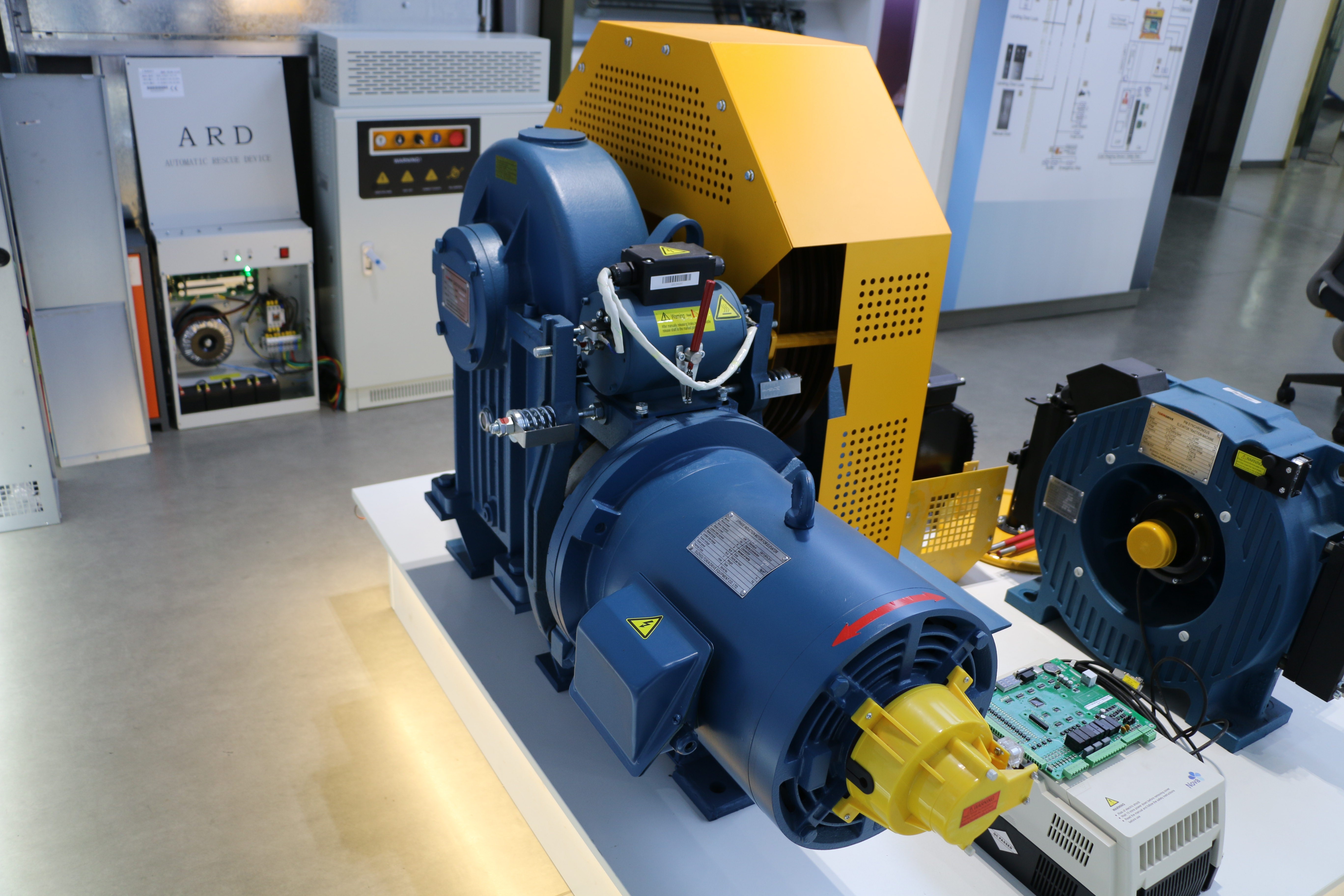
NOVA ELEVATOR combines manufacturing and trading, with R&D and test facilities, ISO9001 and CE certification and products conforming to international elevator safety and electrical standards.
Technical matching: Our engineering team evaluates part suitability by elevator brand, model and parameters to minimise mismatches.
Quality control: Incoming, in-process and final inspection ensure conformance.
Certification documentation: Factory certificates, test reports and approvals supplied for acceptance.
Customisation: Non-standard and discontinued parts manufactured against drawings or physical samples.
Export expertise: Proficient in export paperwork, packaging, customs clearance and logistics.
Responsive after-sales support: Rapid response to reduce return turnaround time.
High return rates fundamentally reflect insufficient supplier capability. Qualified partners with manufacturing capacity and cross-border export experience bring return volumes under control and make procurement predictable.
Related News
-
 Fast after-sales support is available for quality anomalies to lower project risks for overseas contractors.
-
 A partner with in-house manufacturing, customisation and full-range supply capacity keeps modernisation projects on track.
-
 For overseas property managers, contractors and elevator service providers, controlled restriction on generic-part misuse is essential to extend asset life and optimise whole-life-cycle expenditure.


