




Incorrect part selection ranks among the most frequent errors in elevator maintenance and modernisation. Many procurement teams place orders relying only on visual appearance, common part nicknames or simplified model references, without cross-checking against the original control system, hardware revision and local regulatory requirements. What seems like a simple misorder triggers cascading fallout: parts land overseas and prove unfit for installation, triggering repeat sourcing, second shipments, extended timelines and continuous budget creep. In competitive overseas elevator markets with tight profit margins, losses from mis-specified components often far exceed the value of the spare part itself.
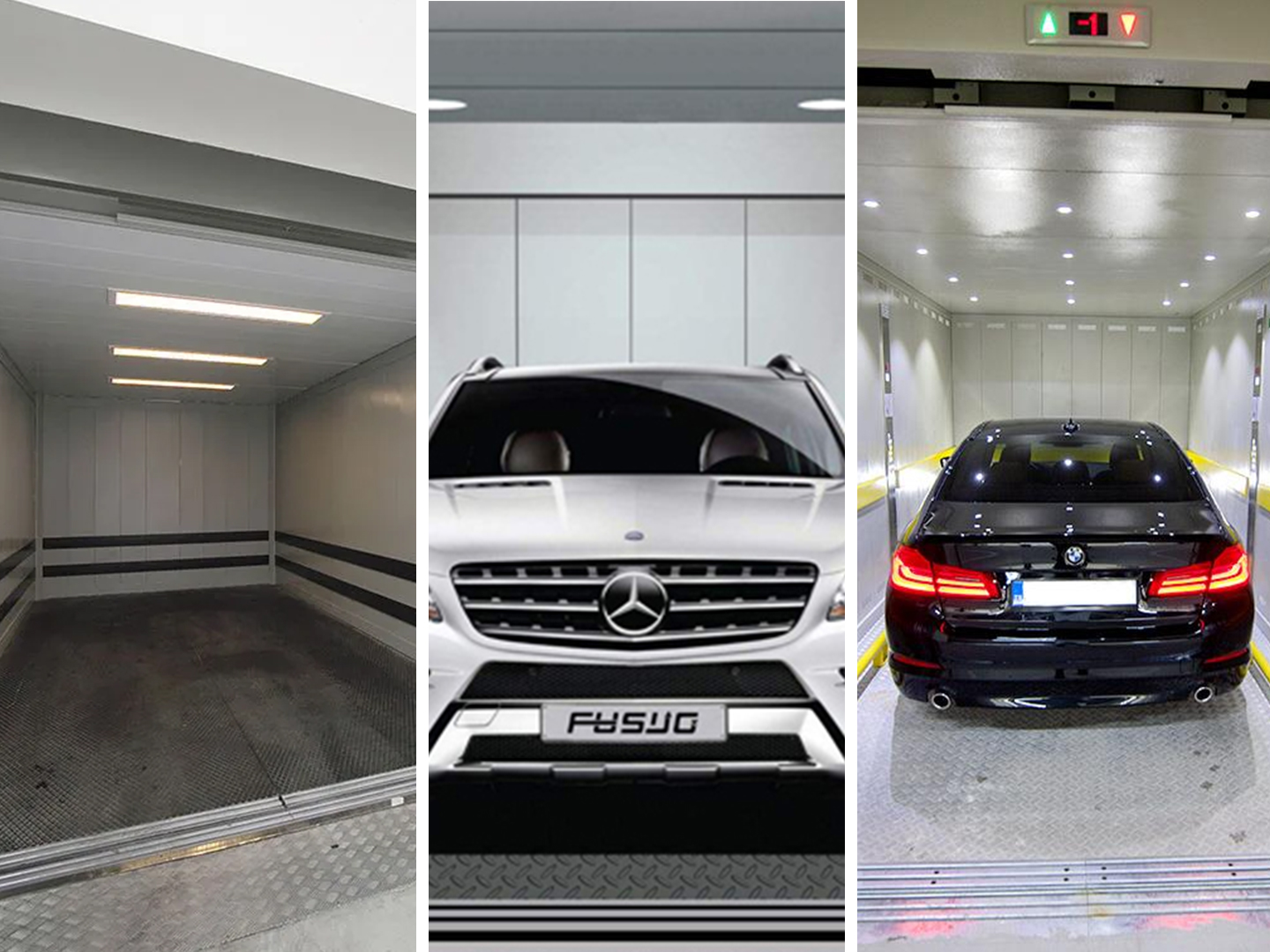
Root causes of selection failures
Incomplete data capture: buyers photograph parts without recording nameplate serial numbers, firmware revisions, wiring definitions or communication protocols. This risk spikes for legacy lifts with worn nameplates and missing archives.
Confusing lookalike substitutes with equivalent replacements: visual similarity does not guarantee matching protection logic or load parameters.
Overlooking compliance: fitting compatibility is prioritised ahead of CE, EN81 and other mandatory local standards; parts may physically install yet fail regulatory acceptance.
Neglecting whole-system interoperability: isolated component upgrades proceed without assessing compatibility between new hardware and retained legacy subsystems.
Time cost: site standstill and schedule slippage
Cross-border lead times run to weeks from order confirmation, production and sea transit to destination receipt. By the time a mismatch is discovered, substantial waiting time has already been expended. Installation crews halt work, hoistways and scaffolding remain occupied, and linked trades stall. For commercial and hotel modernisation programmes, prolonged outages drive tenant complaints, hurt satisfaction and jeopardise follow-on contracts.

Multi-layer budget wastage
Bad selection creates stacked financial losses: written-off component value, return and re-shipment international freight, repeat procurement expenditure, idle labour, and liquidated damages for late delivery. Many contractors resort to expensive local emergency sourcing to resume works quickly, pushing project expenditure higher. Repeated mis-specifications across multiple projects steadily erode company profitability.
Shifting selection from experience-based guesswork to verifiable workflow
Cutting selection error depends on formal validation processes rather than individual judgement:
Maintain full asset registers. Log brand, model, build year, control version, traction format, door operator type and safety component configuration for every lift as a permanent sourcing baseline.
Supplement missing drawings with site survey measurements. Physical dimensional checks outperform catalogue data on aged equipment; critical interfaces and mounting dimensions require mutual confirmation.
Require supplier compatibility assessment. Competent component vendors evaluate suitability against actual elevator parameters and flag whether custom modification is needed, rather than quoting purely against a part number.
Pre-shipment verification for critical parts. Cross-reference model, dimension and interface before goods leave the factory, stopping mismatches before logistics costs are incurred.
Retain replacement records for traceability on future orders.
Selection errors fundamentally stem from a gap between supplier technical capability and real-world project requirements. Traders without in-house manufacturing and customisation capacity merely sell against part codes; they cannot assess system-level interoperability for mixed-brand fleets, obsolete models and non-standard retrofits. NOVA ELEVATOR combines manufacturing and customisation capacity to carry out compatibility assessments against original specifications and site survey data. Obsolete and non-standard components can be reproduced to match original drawings or physical samples, avoiding the recurring pain of parts that “fit but fail to integrate”.
Accurate selection prevents costly rework
Elevator project timelines and budgets hinge heavily on selection accuracy. A single wrong component and subsequent rework can erase project profit and disrupt downstream scheduling. Building selection on precise asset records, verified site measurements and technically capable suppliers is the most direct defence against wasted time and budget.
Related News
-
 Full transparency over every logistics line item, paired with an export-seasoned supplier to reduce friction costs, delivers predictable budgets for global procurement.News
-
 Technical documentation is not an accessory to spare parts; it is essential for commissioning, acceptance and long-term maintenance. For cross-border elevator spare-part procurement, select suppliers with formal documentation workflows, export experience and live technical support to avoid the awkward scenario: parts delivered, project halted.News
-
 Conclusion Elevator guide rails may be hidden from view, but they are fundamental to every safe, smooth, and quiet ride. From T-type profiles and precision machining to fishplates, clips, and brackets, every element of the rail system contributes to performance and safety. Understanding the types, specifications, standards, and selection criteria empowers you to specify the right components and protect your investment over the long term. As a trusted elevator parts and total-solution supplier with over 20 years of experience, NOVA provides high-quality elevator guide rails and a full range of matching components — supported by technical guidance, one-stop sourcing, and long-term after-sales service. If you are planning a new installation, a modernization, or a parts procurement program, our engineering team is ready to help you specify the right solution.News


