




Compliance certification forms an unavoidable threshold for cross-border elevator modernisation and spare-part supply. Multiple European, Southeast Asian and other global markets mandate CE marking for lift safety components alongside ISO-aligned production and quality management systems. Many contractors focus on procurement and installation, only discovering mismatched certificates, expired standard editions or incomplete documentation at final inspection, trapping projects at the approval stage and preventing lift commissioning. CE and ISO are not optional add-ons; they are mandatory foundations for lawful delivery and safe operation on international elevator contracts.

Distinguishing CE and ISO within elevator projects
CE is a product market access marking, applicable to safety assemblies including overspeed governors, safety gears, door locks and control cabinets. It demonstrates conformance with EU directives and harmonised EN81 lift safety standards; unmarked safety components cannot enter service in regulated territories. ISO certification, most commonly ISO9001, is a management-system credential proving repeatable, traceable production and quality control workflows. The two operate in tandem: CE validates individual component safety performance, while ISO assures consistent quality across serial production. Most clients and local inspection authorities review both document sets in parallel.
Common compliance pitfalls
· Certificate scope misunderstanding: even valid certificates are useless if the ordered part model falls outside the covered range, or the standard revision is outdated against current EN81 requirements.
Mixed-source certification fragmentation: combining parts from multiple vendors creates inconsistent certificate holders, test standards and declaration formats that complicate whole-system inspection.
Non-English documentation: certificates issued only in china languages without English Declarations of Conformity cannot be assessed by local inspectors.
Mismatched physical marking and paperwork: certificate copies alone are insufficient without matching test reports and product nameplate traceability.
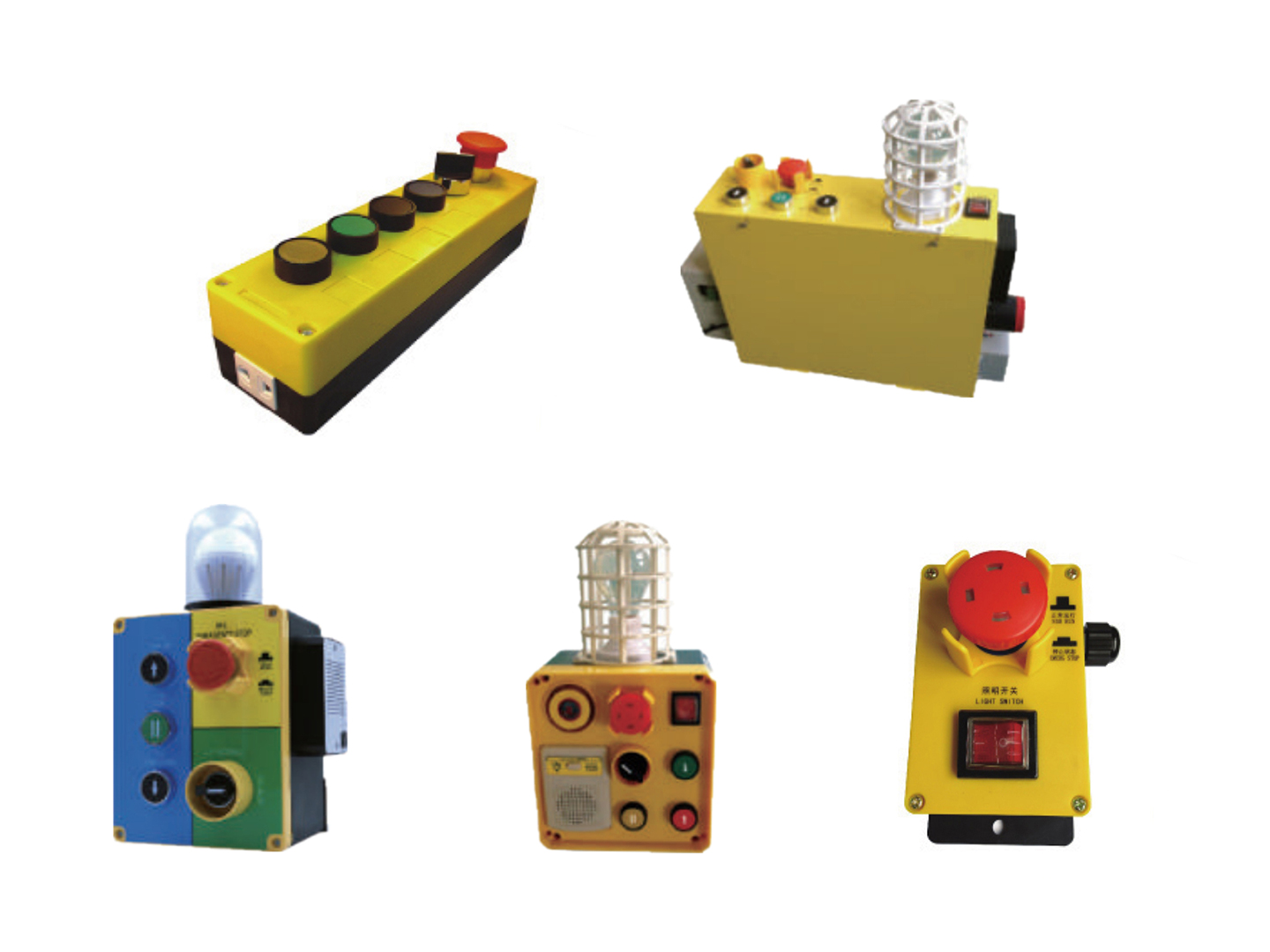
Compliance review must move upstream, not fixed at acceptance
Validation should start at enquiry and ordering. Request scanned original certificates from suppliers and verify covered models, standard editions and notified-body validity. Confirm English-language Declarations of Conformity, permanent nameplate marking and factory test reports accompany shipments. For multi-component retrofit packages, compile a unified certification schedule and submit for preliminary review by local authorities to flag risks early.
Typical compliance failure scenarios:
Incorrect certification route for safety components. A CE mark and DoC alone do not satisfy requirements for Annex IV safety parts without notified-body type-examination certificates.
Documentation out of sync with revisions. Updated model batches lack refreshed test reports and conformity paperwork, breaking traceability.
Incorrect standard edition application. EN 81-20:2020 and EN 81-50:2020 remain the core harmonised standards. While EN ISO 8100-1/2:2025 has been published, it is not yet cited in the EU Official Journal and carries no presumption of conformity. Reliance on the wrong standard version leads to rejected technical files.
Upcoming regulatory change from 2027. Machinery Regulation (EU) 2023/1230 Essential Health and Safety Requirements will apply to lifts and safety components, introducing cybersecurity, software version traceability and post-market surveillance as new mandatory obligations. Early awareness supports long-term project planning.
Whole-system compliance after modernisation matters
Individual CE-certified components do not automatically make a retrofitted lift compliant. Modernisation constitutes a system modification; many jurisdictions demand a full retrofit assessment and post-upgrade safety verification pack. Simply assembling certified spare parts without system evaluation documentation will still fail inspection.
Compliance cannot be rescued by last-minute document preparation. It requires suppliers with traceable certification and testing embedded at manufacturing stage. NOVA ELEVATOR holds ISO9001 quality management and CE certification covering both safety and non-safety elevator components. For safety parts we supply matching certificates and test reports. For control cabinets, door operators and assemblies incorporating safety circuits, we define compliance pathways at configuration stage to avoid the common pitfall of cabinet CE certification paired with undocumented safety circuits. For cross-border projects we support contractors and local competent engineers with technical files, factory certificates and conformity evidence to reduce inspection-stage document barriers. Compliance is not a sales promise; it is an end-to-end capability spanning product classification, manufacturing control and document issuance.
CE and ISO compliance for international elevator projects is fundamentally a technical challenge of product classification, standard mapping and certification route selection. Bringing compliance checks into the sourcing phase and partnering with suppliers skilled in product classification and formal documentation turns compliance from a project risk into a managed prerequisite.
Related News
-
 Passive waiting for stock is unsustainable; businesses need structured contingency plans to navigate seasonal supply volatility.News
-
 In competitive overseas elevator markets with tight profit margins, losses from mis-specified components often far exceed the value of the spare part itself.News
-
 Full transparency over every logistics line item, paired with an export-seasoned supplier to reduce friction costs, delivers predictable budgets for global procurement.News


