




Maintenance peak seasons, combined with concentrated overseas project mobilisation, regularly trigger widespread elevator spare-part shortages. Factory production backlogs, raw material constraints and tight ocean freight space extend lead times for fast-moving wear parts and legacy lift components. For elevator maintenance firms, retrofit contractors and property operators, supply stoppages disrupt planned maintenance cycles, leave breakdown lifts unrepaired and delay modernisation rollouts. Passive waiting for stock is unsustainable; businesses need structured contingency plans to navigate seasonal supply volatility.

Underlying drivers of peak-season shortages
Demand surges coincide with annual inspection cycles and renovation peaks, overwhelming fixed factory capacity and creating order backlogs. Many niche legacy parts are produced only against specific orders, with no standing inventory, and deprioritised when seasonal order volumes surge. Congested shipping capacity adds further delay: even finished goods may struggle to secure vessel space. Bottlenecks at any supply-chain stage amplify shortage risks.
Structural supply-side pressures compound the challenge:
OEM product rationalisation. Major lift manufacturers discontinue legacy component lines, narrowing available supply routes for older equipment.
Thinner distributor stock buffers. Many regional distributors hold reduced safety stock and lack surge capacity.
Production prioritisation favours large new-build orders. Isolated maintenance and retrofit part orders are scheduled behind new construction programmes, especially in peak periods.
Seasonal logistics congestion. Vessel space, port handling and customs clearance all slow, amplifying delivery uncertainty.
The project impact is tangible: a lift out of service for weeks while waiting for a door lock or mainboard stalls critical retrofit paths and breaks SLA maintenance commitments. The cost of shortage extends beyond component pricing into extended downtime and eroded client trust.
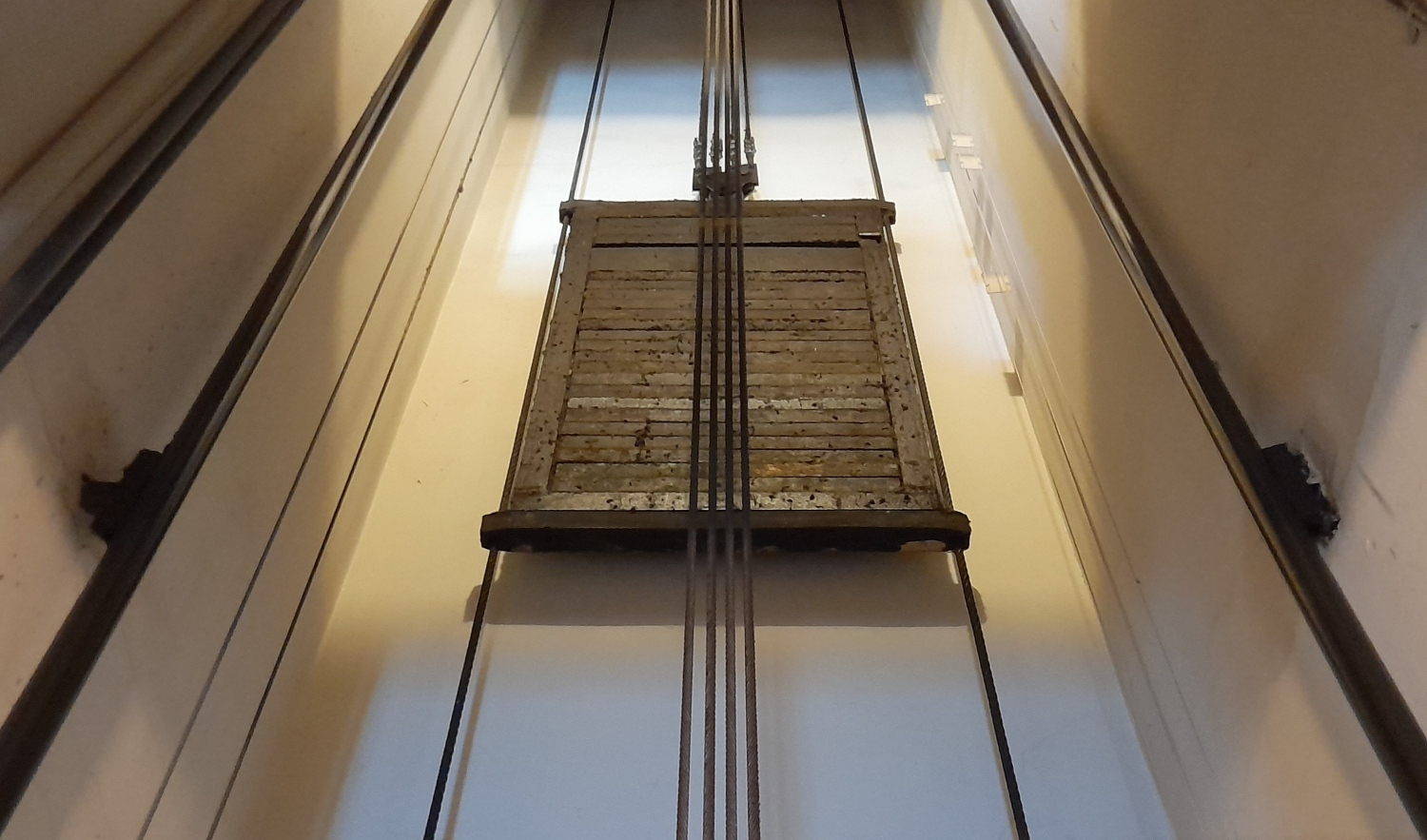
Practical mitigation strategies
Strategy 1: Tiered spare-part inventory architecture
Three-tier stock management: Class A high-frequency wear items such as pushbuttons, light curtains and contactors are pre-allocated to local safety stock for emergency peak repairs. Class B mid-range core assemblies including door boards and inverters secure pre-agreed production allotments with trusted suppliers for priority scheduling. Rare legacy Class C spares are not stocked in volume; asset records are prepared in advance with reserved rapid custom production triggers once orders land.
Strategy 2: Off-peak forward contracting to lock capacity and pricing
Avoid last-minute peak ordering. During low-season windows, forecast consumption from annual project pipelines and maintenance rosters, and sign framework agreements with suppliers to reserve production slots, lead times and pricing. Framework contracts allow phased call-offs without full immediate shipment, securing supply without overloading storage and working capital.
Strategy 3: Leverage integrated supply partners for priority allocation
Individual factories have finite capacity, while solution providers with cross-factory integration can reallocate resources across a wider manufacturing network during demand spikes.
NOVA’s role in peak-season supply resilience
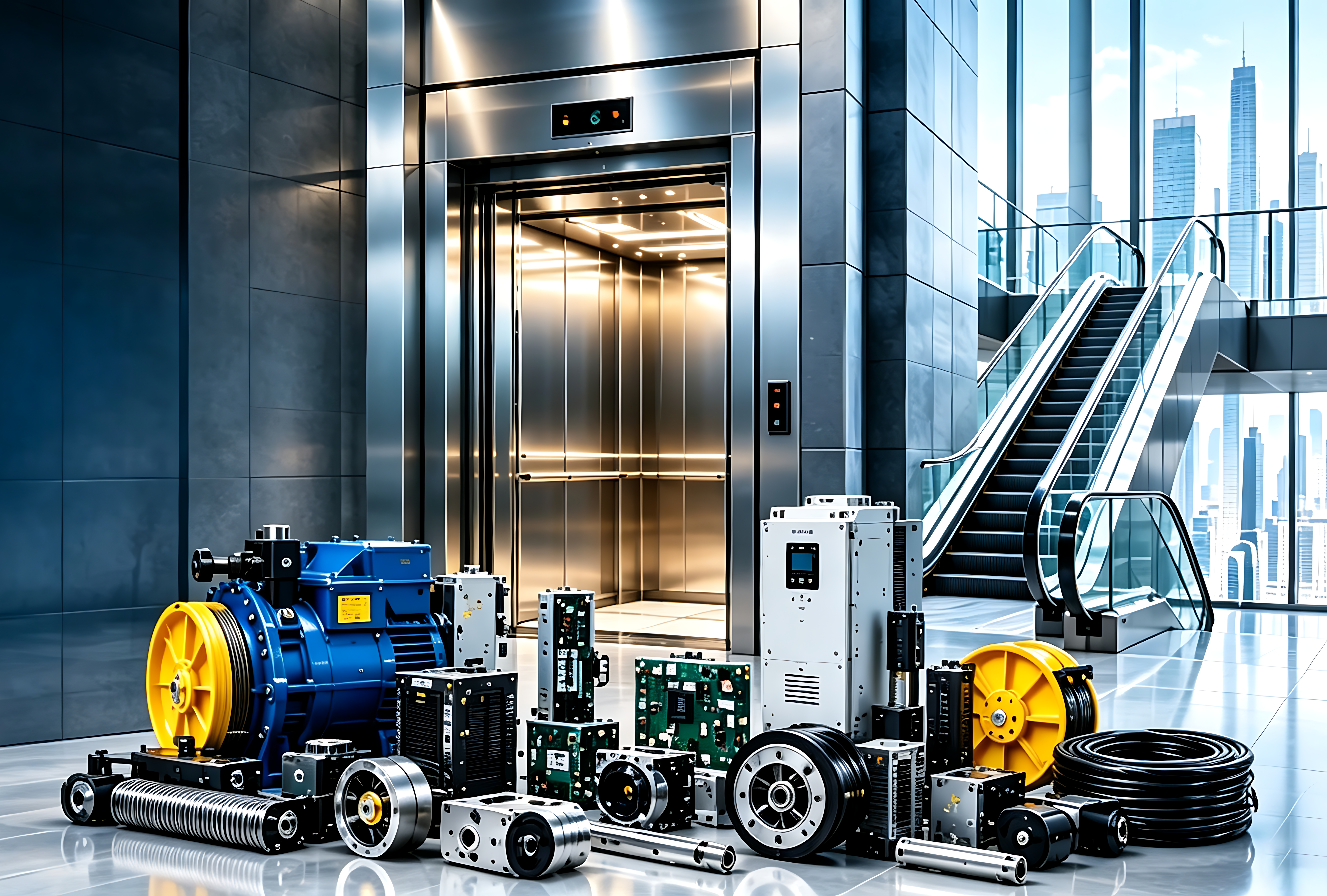
Peak shortages arise when supply response speed cannot match demand volatility, and responsiveness depends ultimately on whether a supplier owns production capacity, flexible scheduling and custom alternative capability beyond standard stock. NOVA ELEVATOR operates in-house production and testing facilities covering door operator systems, control cabinet assemblies, traction machine parts and safety components.
Our owned manufacturing base allows production scheduling aligned with client project timelines, rather than being subject to third-party factory queues. When standard stock is exhausted for discontinued and non-standard legacy parts, custom production delivers viable alternatives instead of forcing projects to wait indefinitely for OEM stock. Supply reliability is not a marketing promise; it is backed by manufacturing flexibility and controllable production throughput.
Peak-season supply resilience is planned, not accidental
Shortages cannot be eliminated entirely, but they can be managed from crisis to controlled risk. Identify critical components early, deploy sensible safety stock and select suppliers with owned production and customisation capability. The gap in peak-season readiness is established long before demand surges, during quieter planning periods.
Related News
-
 In competitive overseas elevator markets with tight profit margins, losses from mis-specified components often far exceed the value of the spare part itself.News
-
 Full transparency over every logistics line item, paired with an export-seasoned supplier to reduce friction costs, delivers predictable budgets for global procurement.News
-
 Technical documentation is not an accessory to spare parts; it is essential for commissioning, acceptance and long-term maintenance. For cross-border elevator spare-part procurement, select suppliers with formal documentation workflows, export experience and live technical support to avoid the awkward scenario: parts delivered, project halted.News


