




Private villa lifts and small-to-medium commercial lifts for retail premises, boutique hotels and annex buildings represent a substantial overseas market segment, yet full-kit component sourcing is often harder than for conventional high-rise public lifts. Villa lift models are niche, fragmented across brands and delivered in low unit volumes. Commercial lift demand is scattered, with every project carrying unique configuration requirements. Buyers aiming to source one fully compatible, compliant, budget-aligned component package frequently face low supplier appetite for small orders, cross-part incompatibility and disjointed certification documentation, slowing delivery schedules.

Two distinct sourcing challenges for villa and commercial lifts
Full-kit procurement creates two separate but equally stubborn sets of difficulties. Villa lifts feature high non-standardisation and one-off configurations. Shaft geometry, interior finishes and smart-home integration demands vary from residence to residence, so standard stock rarely fits. Low single-unit order volumes disincentivise suppliers from allocating moulding and production capacity, stretching lead times.
Commercial lift full kits demand cross-category integration and aligned delivery schedules. Retrofit or new build packages include guide rails, car assemblies, counterweights, traction machines, door operators, control cabinets and safety parts. Components from different brands and generations are non-interchangeable, and certification documents sit scattered across multiple vendors, making inspection consolidation difficult. The complexity multiplies when a client combines custom villa lift requirements with bulk commercial lift procurement, forcing procurement teams to toggle between two fundamentally different supply models.
Why fragmented sourcing often proves more costly
Many buyers instinctively source separately from specialist manufacturers: rail suppliers for guide rails, door factories for door operators, control manufacturers for cabinets. Although superficially logical, separate procurement unlocks hidden downsides:
Heavy management overhead: separate enquiries, contracts, tracking and after-sales coordination drain procurement bandwidth.
Delivery misalignment: staggered production timelines leave sites waiting for the slowest item.
Compatibility liability gaps: each vendor builds to its own internal specifications; interface and parameter mismatches create unclear accountability once faults emerge.
Broken document chains: certificates, test reports and factory approvals are scattered, preventing a cohesive compliance package for acceptance.
For one-off custom villa lift orders, fragmented sourcing also means no single vendor prioritises technical engineering and production capacity for small batches, compromising lead time and quality guarantees.
Combining full-range supply and customisation at NOVA
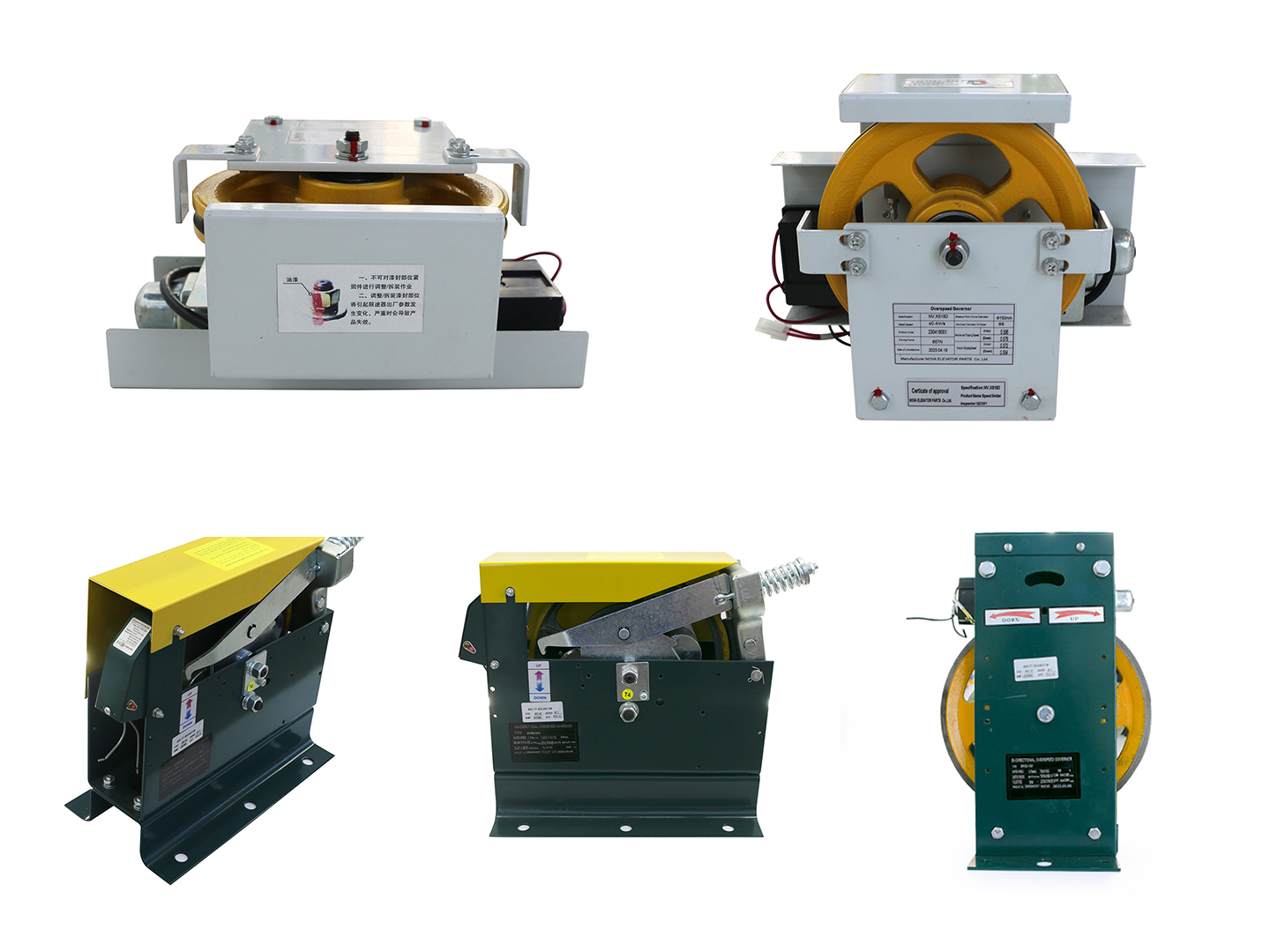
Resolving the full-kit sourcing dilemma demands a supplier capable of both full-category supply and custom manufacturing, reducing vendor count while solving non-standard and one-unit fit challenges. NOVA ELEVATOR integrates manufacturing and trading, covering guide rails, elevator cars, counterweights, traction machines, door operator systems, control cabinet assemblies and safety components.
For bulk commercial lift projects, single-source full-range supply synchronises lead times and unifies compliance documentation, easing site sequencing and inspection collation.
For bespoke single villa lifts, in-house R&D and production enable custom builds matched to shaft dimensions, interior specifications and functional requirements, rather than forcing compromises with off-the-shelf parts or accepting delayed scheduling due to small order size.
The pairing of custom engineering and full-category supply supports both the “one lift, one custom package” villa model and the “unified integrated kit” commercial lift requirement.
The core solution: matching supply logic to project logic
The root sourcing challenge for villa and commercial lift full kits is not lack of suppliers, but misalignment between supplier operating models and project needs. Villa lift buyers need partners willing to commit custom engineering resources to low-volume unique builds. Commercial lift buyers need a single source that consolidates multiple component families, harmonises delivery timelines and centralises compliance paperwork. Consolidating both categories under one manufacturing-capable, full-range supplier transforms full-kit sourcing from piecemeal scavenging into a unified, predictable supply workflow.
Related News
-
 Bringing compliance checks into the sourcing phase and partnering with suppliers skilled in product classification and formal documentation turns compliance from a project risk into a managed prerequisite.News
-
 Passive waiting for stock is unsustainable; businesses need structured contingency plans to navigate seasonal supply volatility.News
-
 In competitive overseas elevator markets with tight profit margins, losses from mis-specified components often far exceed the value of the spare part itself.News


